

Climate Change Intensifies Australia's Extreme Heat Events
Human-induced global heating has dramatically increased the likelihood of severe heatwaves across Australia, according to a new scientific analysis. The research indicates that the intense heatwave experienced in early January, which brought temperatures soaring above 40°C in Melbourne and Sydney, was made approximately five times more probable by climate change.
Unprecedented Heat and Devastating Consequences
This recent heat event stands as the most severe since the catastrophic Black Summer of 2019-20, with regional areas of Victoria and New South Wales experiencing even more extreme conditions. The extreme heat extended across multiple states, affecting Western Australia, South Australia, and Tasmania with dangerous temperature spikes.
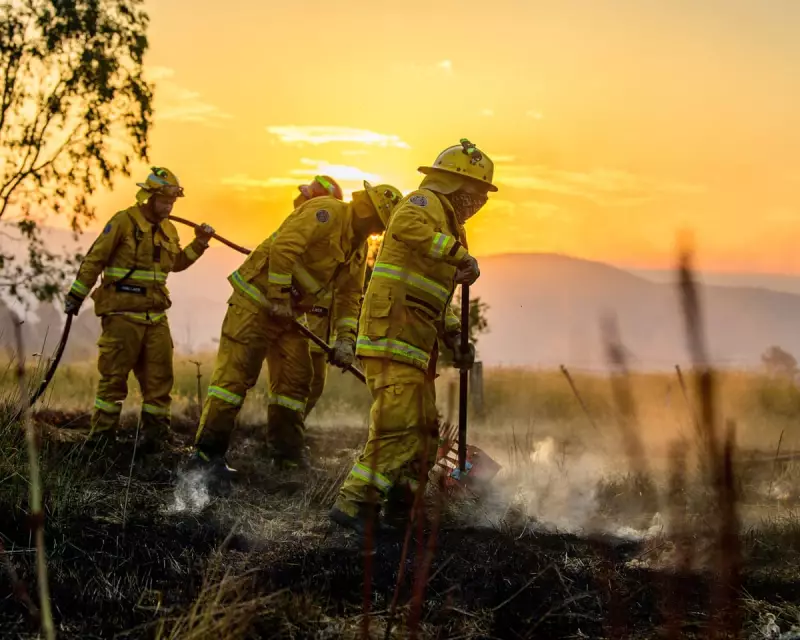
The heatwave created ideal conditions for devastating bushfires, particularly in Victoria where flames consumed approximately 400,000 hectares of land and destroyed nearly 900 structures. The combination of extreme temperatures and dry vegetation created a perfect storm for rapid fire spread and significant property damage.

Scientific Analysis Reveals Climate Impact
The World Weather Attribution (WWA) report provides compelling evidence that greenhouse gas emissions played a dominant role in this extreme weather event. The analysis suggests that while a weak La Niña weather pattern typically brings milder conditions to mainland Australia, its cooling effects were overwhelmed by human-caused climate change.
According to the findings, climate change increased the intensity of the heatwave by approximately 1.6°C, while the La Niña effect only reduced maximum temperatures by between 0.3 and 0.5°C. This significant disparity highlights the powerful influence of global heating on Australia's weather patterns.
Expert Insights on Growing Heat Risks
Professor Sarah Perkins-Kirkpatrick, a climate scientist at the Australian National University and co-author of the report, emphasised the clear connection between human activity and extreme heat events. "There was definitely a signal of human-induced climate change behind this event," she stated, pointing to the unmistakable evidence in the data.
Heatwaves represent Australia's deadliest natural hazard, causing more fatalities than all other extreme weather events combined. Professor Perkins-Kirkpatrick explained the particular danger of heat exposure: "When people are affected by extreme heat, it is very insidious. It's not something that happens straight away... it's something that comes to light in a number of days after the event, and may also be due to the exacerbation of underlying diseases."
Changing Frequency and Future Projections
The analysis indicates that Australians should now expect heatwaves of similar intensity to the January event approximately once every five years under current climate conditions. However, this frequency could increase dramatically with continued global warming.
If global temperatures rise by 2.6°C above pre-industrial levels—a scenario projected for the end of the century based on current emissions—similar extreme heat events could occur every second year. This represents a substantial increase in both frequency and risk to public health and infrastructure.
Methodology and Scientific Context
The World Weather Attribution collaboration employs established scientific techniques, combining weather observations with sophisticated climate models to determine the influence of human-caused global heating on specific extreme weather events. While their rapid analysis methods provide timely insights, the researchers acknowledge that these particular findings await formal peer review.
Professor Friederike Otto, co-founder of WWA and a climate science professor at Imperial College London, noted the importance of understanding these rapid changes: "As extreme heat is one of the deadliest extreme weather events that is changing very fast with global warming... it is important to highlight these rapid changes, even if the results are not surprising at all."

The January heatwave's meteorological characteristics showed similarities to the 2009 south-east Australian heatwave, which also exacerbated bushfire conditions. This pattern repetition suggests concerning trends in Australia's climate vulnerability as global temperatures continue to rise.





