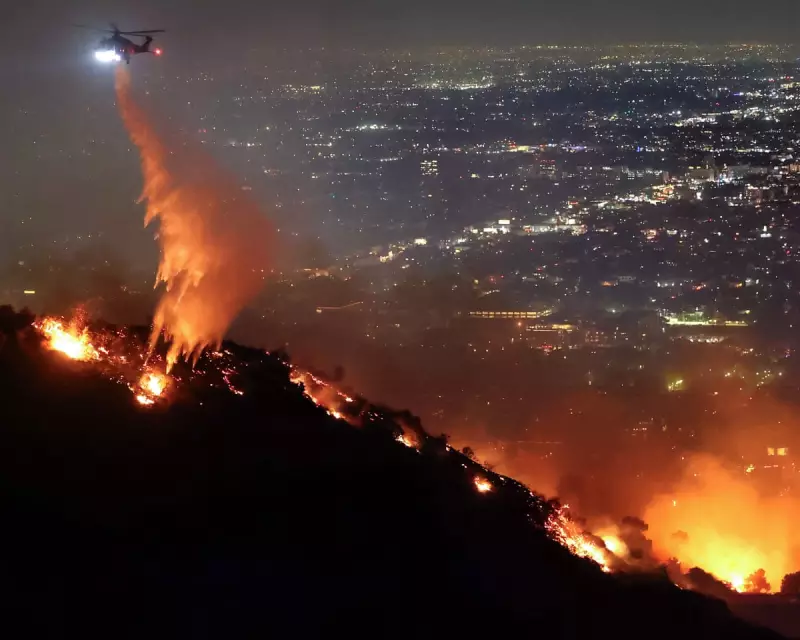
A stark new analysis has warned that the fringes of Australia's major cities possess the same dangerous traits that fuelled the catastrophic Los Angeles wildfires of January 2025, placing millions of residents in potential peril.
The Looming Threat on the Urban Fringe
The report, compiled by the Climate Council and Emergency Leaders for Climate Action, directly challenges the assumption that bushfires are solely a regional concern. It finds that at least 6.9 million Australians living on the outskirts of capital cities are exposed to significant risk. The suburbs of Sydney, Melbourne, Canberra, Adelaide, Perth, and Hobart that border bush or grassland are identified as particularly vulnerable.
Alarmingly, the study estimates that up to 90% of homes in these areas were constructed before modern bushfire standards were introduced. This legacy makes them far more susceptible to ignition from flying embers and rapid house-to-house fire spread during a major blaze.

A Chilling Parallel to Los Angeles
The research was prompted by the devastating wildfires that tore through Los Angeles neighbourhoods in January 2025, which claimed 31 lives and destroyed 16,000 buildings. Former New South Wales fire commissioner and report co-author Greg Mullins described those fires, which burned in winter driven by hurricane-strength Santa Ana winds, as a wake-up call.
"Those fires burned in winter driven by hurricane-strength winds," Mullins said. He explained that LA had experienced "climate whiplash" before the disaster: wet years leading to explosive vegetation growth, followed by an extremely dry period that turned that growth into abundant fuel.
Mullins warned that nearly every Australian capital city now has a similar mix of dangerous preconditions. These include prolonged dry spells creating parched landscapes, worsening fire weather conditions, the potential for strong wind gusts, steep slopes, and large tracts of vegetation directly adjacent to residential areas.
Time Bombs in Major Cities
The report singles out specific areas as particularly concerning. Parts of Sydney, including the Northern Beaches, Penrith and the Blue Mountains, were described as a "ticking timebomb" due to massive fuel loads built up after years of heavy rain. In Melbourne, numerous suburbs border grasslands where fires can move with terrifying speed and are difficult for firefighters to control.
The warning comes as southern states face forecasts of extreme fire danger and their most significant heatwave conditions since the Black Summer. A rare sudden stratospheric warming event is contributing to hotter and drier conditions than initially predicted for this summer.
For residents like Nelli Stevenson, who lives on Melbourne's western fringe near 230 square kilometres of "tinder-dry grassland," the risk is a daily worry. "When you think about people at risk of bushfires, you're usually thinking about people in the bush," she said. "I technically live in Melbourne, and we're still at risk."
The report calls for urgent action on multiple fronts:
- Stronger measures to cut fossil fuel emissions and "turn down the heat."
- Greater investment in disaster preparedness and capacity for emergency services.
- A significant retrofitting program to bring at-risk homes up to modern bushfire construction standards.
Mullins acknowledged the frightening nature of the findings but stressed the need for a proactive response. "I know it'll scare people," he said. "But I hope they get past that, and [say] we have to take action."