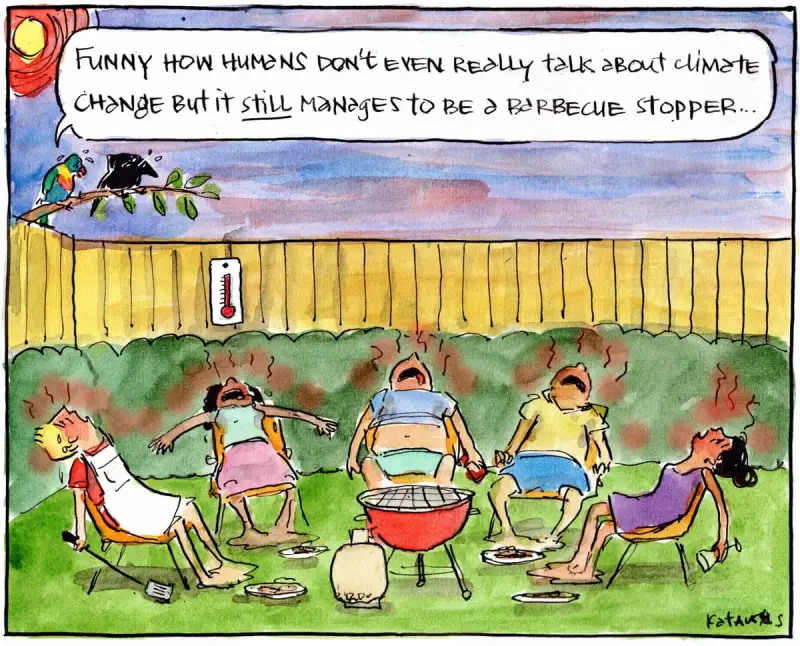
The searing images from Australia, where citizens are battling record-breaking temperatures, serve as a distant but urgent alarm bell for the United Kingdom. While Britain's climate is temperate, the accelerating pace of global heating means the strategies for survival being forged in Sydney and Melbourne today could become vital for London and Manchester tomorrow. The Australian experience is not just a news story from the other side of the world; it is a live demonstration of the future we are all hurtling towards.
Learning from the Frontlines of Extreme Heat
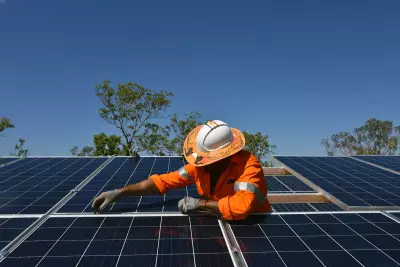
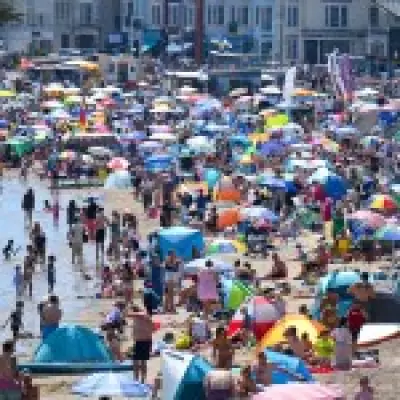
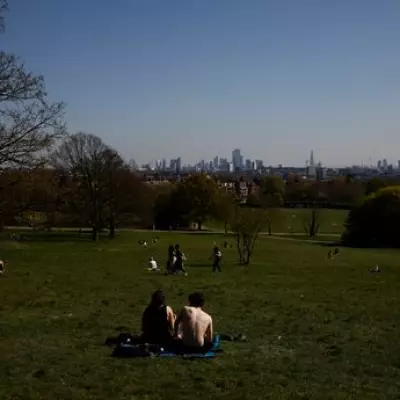
Australia's current predicament provides a sobering case study in climate resilience. The nation has long been accustomed to hot summers, but the intensity and duration of recent heatwaves have shattered records and tested infrastructure to its limits. The visual documentation of daily life—from modified work schedules to the widespread use of public cooling centres—illustrates a society in active adaptation mode. For the UK, which experienced its own record 40°C temperatures in 2022, these are not abstract concepts. They are a preview.
The UK's vulnerability lies in its lack of preparedness for sustained extreme heat. Much of the housing stock is designed to retain warmth, not repel it. Public transport systems, particularly the London Underground, can become dangerously hot. Urban areas, with their dense concrete and asphalt, create 'heat islands' that trap warmth overnight. Observing how Australian cities are retrofitting public spaces, implementing early warning systems, and changing community behaviour is an essential part of the UK's own climate homework.

Key Adaptation Strategies for a Hotter Future
The Australian response highlights several non-negotiable areas for action. First is public communication and health protection. Clear advice on staying hydrated, recognising signs of heatstroke, and checking on vulnerable neighbours must become as ingrained as winter flu warnings. Second is urban planning and green infrastructure. Increasing tree canopy cover, creating more green spaces, and using reflective building materials are proven methods to reduce urban temperatures. Third is infrastructure hardening. This means ensuring the electrical grid can handle soaring demand for cooling, and that hospitals are equipped for heat-related admissions.
Furthermore, the economic impact cannot be ignored. Extreme heat reduces labour productivity, damages crops, and strains energy supplies. Proactive investment in cooling and resilience is far cheaper than dealing with the aftermath of a catastrophic heat event that brings transport to a halt and endangers lives.
A Proactive Blueprint for the UK
The critical lesson from Australia is that waiting for a crisis to strike is a failed strategy. Adaptation must be proactive, systemic, and woven into the fabric of policy, from building regulations and public health guidelines to business continuity planning. The UK has strong climate mitigation targets, but the events in Australia underscore that parallel, robust adaptation plans are equally vital. The heat is not just 'on' in Australia; it is incrementally rising everywhere.
For British policymakers, city planners, and communities, the message is clear: start preparing now. Use the hard-won knowledge from nations already on the front lines. Integrate heat resilience into the levelling-up agenda, the National Health Service's long-term plan, and the Environment Agency's flood and heat risk frameworks. The time to design a cooler, safer future is while the temperatures are still manageable. The Australian example shows us what is coming. The question is whether the UK will be a quick learner.