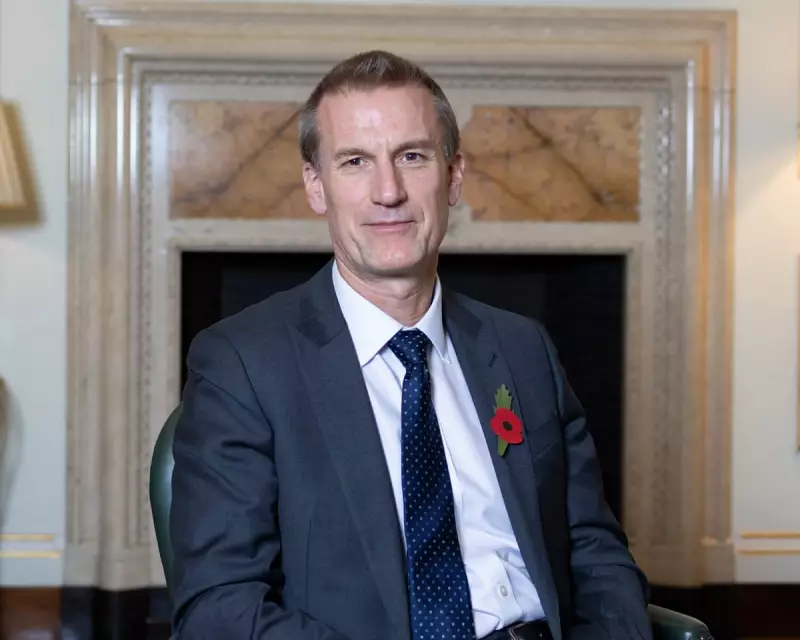
A senior Bank of England official has moved to reassure the public that UK banks maintain a strong commitment to tackling climate change, despite major lenders including HSBC and Barclays withdrawing from a key United Nations-backed alliance.
Regulator Downplays Exit Concerns
David Bailey, the executive director of prudential policy at the Bank’s Prudential Regulation Authority (PRA), stated that engagement from financial firms on climate-related financial risks remains as vibrant as it has over the past couple of years. This statement comes in the wake of the high-profile collapse of the Net Zero Banking Alliance (NZBA) last month, a group that lost its credibility after the departure of the world's largest banks.
The NZBA's demise began when American giants like JP Morgan and Goldman Sachs exited ahead of Donald Trump's inauguration, a move analysts suggest was intended to pre-empt criticism from right-wing US politicians. This exodus was soon followed by UK-based HSBC and Barclays, who dropped their membership by early August.

Balancing Climate Risks with Other Emerging Threats
While affirming the Bank of England's continued focus on climate risks, Bailey emphasised the need for a balanced regulatory approach. He explained that climate dangers must be weighed against other emerging threats to financial stability.
"We do, of course, have to put climate risk into proportion alongside all the other risks," Bailey told the Guardian. "We can’t focus just on one risk… But we’ve got to focus on climate risk. It’s important. And we continue to maintain the momentum of our work in that space."
One such area of concern for regulators is the rapid growth of the private credit sector, an unregulated part of finance that provides loans to businesses. Despite these competing priorities, the Bank is keeping the door open for further climate stress tests to assess how prepared banks are for disasters caused by global heating.
Leadership Changes and Regulatory Reforms
The interview comes at a time of impending leadership change at the PRA. Bailey's boss, Sam Woods, is stepping down in June, and Bailey himself is considered a frontrunner for the £314,000-a-year role. Katharine Braddick, a senior Barclays executive with Treasury experience, is also seen as a potential candidate.
Concurrently, Bailey has been working on significant banking reforms aligned with the Labour government's agenda to boost growth. A key initiative is the "strong and simple" framework, designed to ease the regulatory burden on smaller lenders like Metro Bank and Starling.
Bailey described this as one of the most substantial regulatory changes in three decades, aimed at helping smaller banks "compete and grow, and provide the really important services they do to households and businesses right across the UK." The PRA, praised for its pioneering 2021 climate stress test, continues its work without having implemented climate capital requirements that would force banks to set aside funds for climate-related losses.