Welcome to this fortnight's edition of The Crunch, where we delve into critical global developments with data-driven insights. This week, we explore the escalating threat of bushfires, the growing divide in workplace attitudes toward artificial intelligence, and the remarkable financial accumulation of former US President Donald Trump.
Australian Bushfires Intensify Amid Climate Concerns
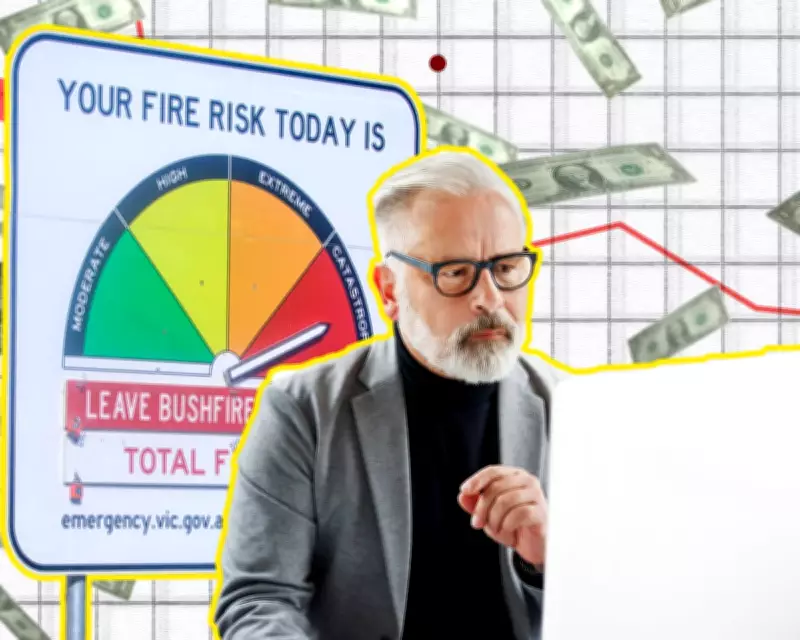
With months remaining in the bushfire season, Victoria has already witnessed hundreds of thousands of hectares burned and hundreds of homes destroyed. The devastating fires that erupted in early January highlight a troubling trend of increasing frequency and severity.
Climate change is a significant factor, with analysis indicating that the severe heatwave affecting south-eastern Australia in early January was made five times more likely due to global warming. This statistic underscores the urgent need for climate action as extreme weather events become more common.

Visualisations and maps illustrate how wind patterns and temperature fluctuations contributed to the rapid spread of these fires, offering a stark reminder of their destructive power. Meanwhile, international reports indicate that wildfires are consuming larger portions of the world's forests, driven by climate-related changes.
The AI Enthusiasm Gap: Executives vs. Workers
A recent survey reveals a significant disconnect between C-suite executives and knowledge workers regarding artificial intelligence in the workplace. While executives express excitement about AI's potential, workers report feeling anxious or overwhelmed by its integration.
The data suggests that employees who frequently handle email correspondence and presentation creation may view AI more favourably, particularly if they perceive minimal job displacement risk. However, concerns about accuracy persist, as time saved through AI tools may be offset by the need to correct errors, highlighting implementation challenges.
This divide reflects broader questions about technology adoption and workforce adaptation in an era of rapid digital transformation.
America's Exceptionalism in Data
Visual analysis confirms America's outlier status across multiple metrics, including limited nationally mandated parental leave, varying levels of trust in government, and disparities in life expectancy. These charts provide a nuanced perspective on the nation's unique social and economic landscape.
Trump's Post-Presidency Financial Windfall
Since leaving office, Donald Trump has accumulated wealth equivalent to 16,822 times the median US household income, according to detailed reporting. This staggering sum, derived from media settlements and cryptocurrency sales, is visualised through innovative graphics that depict cascading stacks of currency.
The representation effectively communicates the scale of this financial influx, with each stack symbolising the median household income and the overall display requiring dynamic scaling to accommodate the total amount.
Additional Insights and Visual Innovations
This edition also features discussions on alternative weather chart formats, including three-dimensional visualisations that render meteorological data in innovative ways. Debates continue about the most effective methods for presenting such information, with some advocating for traditional line charts while others prefer more experimental approaches.
Further highlights include coverage of Singapore's urban transformation, updates on global health developments such as measles outbreaks, and advancements in data visualisation resources. These elements collectively provide a comprehensive overview of current trends and analytical techniques.