Climate Minister Calls for City of London Partnership to Address Climate Crisis
In a significant shift from traditional perceptions, Climate Minister Katie White has emphasised that tackling the climate crisis cannot be achieved without the active involvement of the City of London. Writing on Friday 23 January 2026, White, the Labour MP for Leeds North West, asserts that her role transcends outdated stereotypes of placard-waving activism, instead focusing on practical collaboration with financial leaders to drive real change.
From Campaigning to Ministerial Leadership
Katie White entered climate politics through grassroots campaigning, notably helping to build public support for the 2008 Climate Change Act alongside non-governmental organisations. Since assuming her position as climate minister last year, she has adopted a pragmatic approach: seizing opportunities and working with any stakeholders committed to delivering tangible environmental progress. This background informs her current stance that finance is indispensable in combating climate change, a view supported by economic data indicating the UK's green economy is expanding three times faster than the overall economy.
The Role of Green Finance in Economic Growth
The minister highlights that green finance is not a niche or aspirational sector but a thriving reality, propelled by investments from leaders and institutions. According to the Confederation of British Industry, this growth is fuelled by backing for entrepreneurs, new technologies, green projects, and transitions in high-emitting industries. White points to a league table she requested upon taking office to assess the UK's standing in green finance globally, stressing that in a competitive capital race, maintaining a top position requires continuous effort.

Risks and Opportunities in Climate Investment
Extreme weather events are already reshaping markets, increasing insurance costs, altering asset values, and influencing lending decisions. Simultaneously, the transition to a greener economy opens new markets and fosters more resilient growth pathways. The critical question, as White frames it, is not whether investment will occur, but how swiftly and confidently the UK can advance. The nation boasts strengths such as world-class scientists, a globally recognised financial hub capable of mobilising capital at scale, and professional services firms skilled in structuring complex projects.
Government Initiatives and Private Sector Collaboration
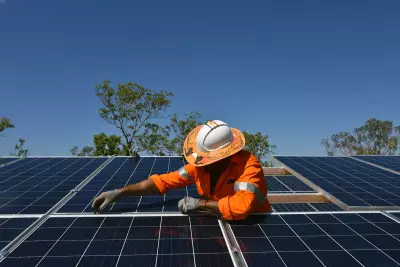
White cites the Warm Homes Plan, announced this week, as a prime example of effective partnership. The government is committing £15 billion over five years to support solar panels, heat pumps, and batteries in homes, aiming to reduce both bills and emissions. This long-term commitment provides market stability, but successful implementation relies on collaboration among manufacturers, installers, lenders, insurers, and investors. Recent discussions with senior City figures, including representatives from Société Générale and TheCityUK, have shifted focus from debating the importance of climate investment to accelerating action and reducing barriers.
Conclusion: A Unified Approach for Future Resilience
In conclusion, Katie White reiterates that addressing the climate crisis necessitates the City of London's involvement, not due to government withdrawal, but because the scale of the challenge demands rapid partnership. She advocates for public leadership and private investment to move forward together with confidence, clarity, and conviction, ensuring the UK is prepared for the future and protects the planet. This collaborative effort, she argues, is essential for leveraging the economic opportunities presented by the green transition while mitigating environmental threats.