The future of vulnerable Pacific nations hangs in the balance as world leaders convene in Brazil for the critical Cop30 climate summit, amid stark global divisions and rising populist threats to climate action.
The Frontline of Climate Crisis
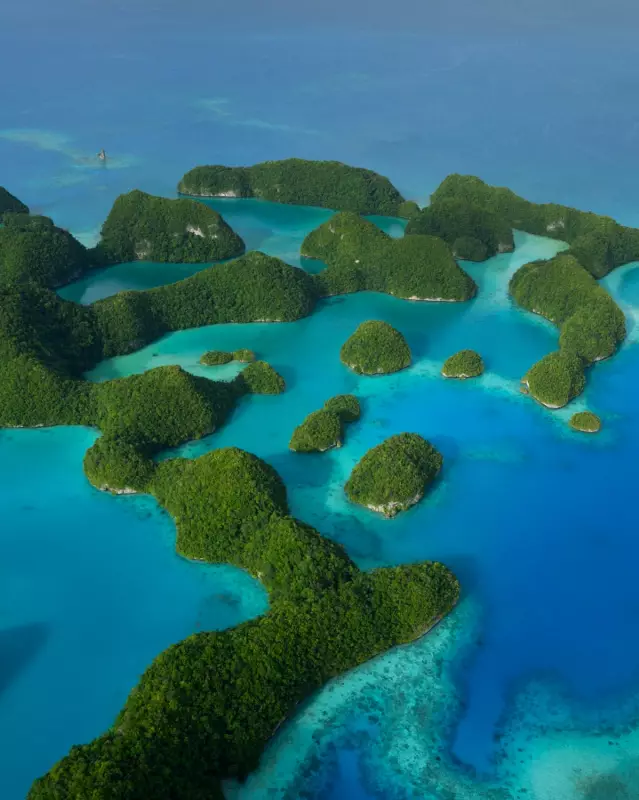
Palau, a tiny Pacific nation home to nearly 20,000 people, faces complete inundation from rising sea levels, floods and intensifying storms if global heating surpasses 1.5C for a prolonged period. President Surangel Whipps expressed profound dismay following Donald Trump's recent UN speech, where the former US president denounced climate action as a "green scam" and "the greatest con job ever perpetrated".
"It broke my heart," Whipps recounted from his front-row seat at the UN general assembly on 23 September. "Our children need hope, they need to be inspired. They need to see us coming together to solve problems." Instead, vulnerable nations heard what many described as an unprecedented attack on science from a major world leader.

Global Political Divide Threatens Progress
The populist tide extends far beyond American politics. Across the EU, hard-right political groupings have delayed key emissions decisions, while the UK's Reform party openly embraces climate denial. In Argentina, President Javier Milei has taken his "chainsaw" to climate policy alongside economic reforms.
This political fragmentation contrasts sharply with public opinion. Global polls indicate 89% of people worldwide are concerned about the climate crisis and want decisive action. Recent electoral victories for pro-climate politicians in Canada, Australia and Mexico offer glimmers of hope amid the political turmoil.
Nature itself delivers the most compelling testimony. For two consecutive years, temperatures have breached the critical 1.5C safety limit that nations pledged to maintain. Record-breaking hurricanes, Middle Eastern temperatures exceeding 50C, and soaring ocean temperatures provide stark evidence of accelerating climate breakdown. Scientists warn that the first major "tipping point" - coral reef bleaching - may already have been reached.
Cop30's Critical Challenges
Brazil's presidency of the 30th UN climate conference faces immense challenges with 145 agenda items requiring resolution over the coming fortnight. The summit represents what many consider the most consequential climate meeting since the Paris agreement was signed a decade ago.
"The Paris agreement is our mandate; Belém is the test," asserts Ban Ki-moon, UN secretary general during the Paris summit. "In a fractured world, the Paris agreement remains the one pact that shows humanity can act as one - but it needs resuscitation through action, not rhetoric."
At the heart of negotiations lies the yawning "emissions gap". Fewer than 90 countries have submitted their nationally determined contributions (NDCs) despite the February deadline passing months ago. Current pledges would achieve only one-sixth of the emissions cuts needed to maintain the 1.5C goal, according to UN estimates.
Financial Justice and Fossil Fuel Conflicts
Developing nations judge Cop30's success by its delivery of financial assistance for climate adaptation and clean energy transition. "We need a fair deal," emphasises Mohamed Adow of Power Shift Africa. "These are not acts of charity - they are investments in a stable, livable planet."
Brazil's signature initiative, the Tropical Forests Forever Facility, seeks initial pledges of $25bn to protect existing forests, leveraging this to attract $100bn from global financial markets. However, the hosts appear less comfortable addressing the root cause of climate crisis: fossil fuels.
Despite last year's historic Cop28 resolution to "transition away from fossil fuels", petrostates led by Saudi Arabia have worked to undermine the agreement. Brazil itself ranks among the top ten global oil and gas exporters and continues prospecting for new fields, including offshore from the Amazon.
As Meena Raman of Third World Network warns: "It is no longer sufficient to merely invoke the need to save multilateralism. We must deliver on saving the planet and protecting the world's most vulnerable. What is needed now is bold, accountable action that prioritises justice, equity and survival."