In a stark contrast of global priorities, the world watches as Indigenous communities embark on a monumental journey for climate justice while the United States, under President Donald Trump, opts for a hostile withdrawal from the international stage. The scene is set for the COP30 climate summit in Belém, Brazil, where the absence of a high-level US delegation is being met with a palpable sense of relief.
A Deliberate Withdrawal and a Forceful Presence
The White House confirmed it would send no senior representatives to the critical United Nations talks this week. A spokesperson stated, "President Trump will not jeopardize our country's economic and national security to pursue vague climate goals that are killing other countries." This formalises an administration that has not only pulled back from climate action but actively campaigns against it, with Trump having labelled the climate crisis "the greatest con job ever perpetrated on the world".
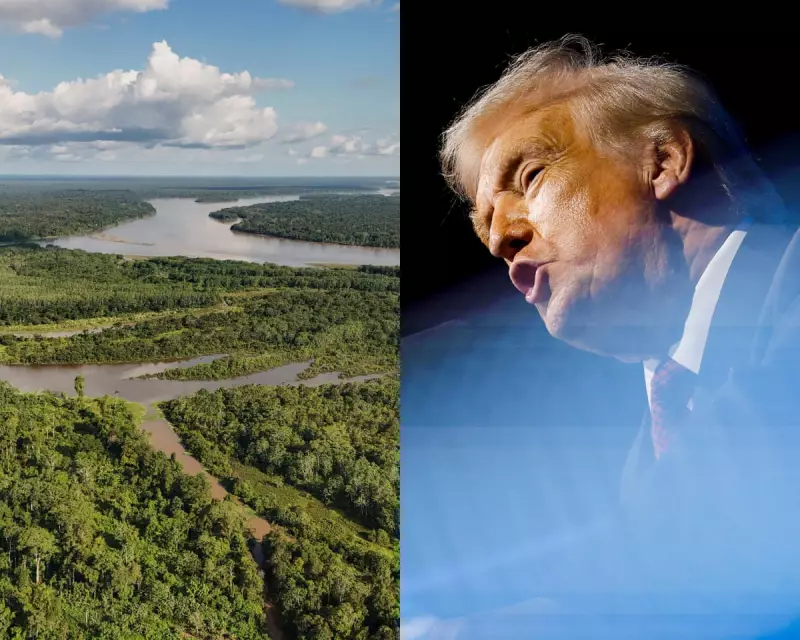
Meanwhile, on 18 October 2025, the Isla Yarina community in Peru launched the Yaku Mama (Water Mother) flotilla. This is a 3,000km journey through the heart of the Amazon basin to COP30, a direct plea from frontline communities for a meaningful role in global climate decision-making.

From Benign Neglect to Active Disruption
Diplomatic circles are breathing a cautious sigh of relief. A former senior US state department official explained the shift in strategy: "Before, it was benign neglect, even in Trump's first term. Now it's quite the opposite. They don't want to participate and don't want others to, either." The consensus among many is that an absent America is preferable to one that acts as a spoiler.
This new aggressive stance was showcased last month during international talks on a small levy on shipping emissions. US representatives were accused of using bully-like tactics, including threats of higher port fees and visa restrictions, to force other nations to drop the plan. Democratic senator Sheldon Whitehouse condemned the "full thug tactics" used to batter down a proposal Trump had dubbed a "global green new scam tax".
A Global Movement Presses On Amidst US Hostility
Despite the White House's position, the global transition to clean energy continues to accelerate. The International Energy Agency projects the world will build nearly 4,600 gigawatts of clean power by 2030. Todd Stern, the US's lead climate negotiator under Barack Obama, noted, "The thing about climate change is that you can't hold back the waves. There's irreversible, strong, vigorous motion towards clean energy across the world."
However, the vacuum left by the US government is deeply felt by the most vulnerable nations. Ilana Seid, chair of the Alliance of Small Island States, warned, "The US's withdrawal from the Paris agreement leaves a void that must urgently be filled." She highlighted the devastating impact of climate-fueled storms like Hurricane Melissa on Jamaica as a "poignant illustration of the disproportionate, unjust effect on the vulnerable people."
While the official US seat at COP30 will remain empty, a delegation of roughly 100 US governors, members of Congress, and state and city officials will still travel to Belém. Their mission is to assure the world that a significant portion of the United States remains committed to climate action, working to keep hope alive until the global focus can return to the escalating climate emergency.