Key World Leaders Missing from Critical Climate Talks
The COP30 climate summit in Belem, Brazil opened with a significant setback as the leaders of the world's three largest contributors to climate change were notably absent. The presidents of China and the United States, along with India's prime minister, chose not to attend the crucial negotiations, creating substantial obstacles for achieving meaningful progress on addressing global warming.
Royal and Political Support Fails to Offset Major Absences
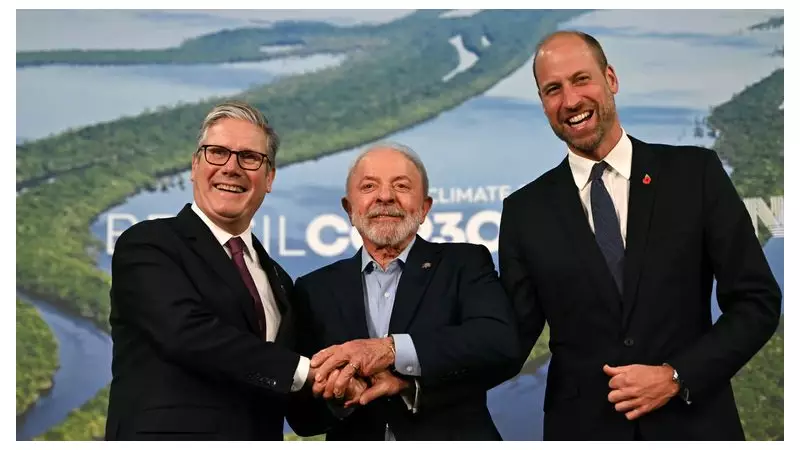
Despite strong representation from the United Kingdom, including Prince William and Prime Minister Keir Starmer, who reaffirmed Britain's commitment to climate action, the diplomatic weight of missing world leaders cast a shadow over proceedings. The tropical rain beating down on the temporary summit venue seemed to mirror the dampened spirits of many participants facing an uphill battle against climate change.
Donald Trump's highly-publicised decision to formally withdraw America from UN climate talks dealt a particularly heavy blow to the summit. The United States, as the world's largest economy, major oil and gas producer, and significant renewable energy market, had previously wielded considerable influence in climate negotiations. Their complete absence, including no formal delegation or major US broadcasters covering the event, essentially renders the summit invisible to American audiences.

Delegations Present But Progress Remains Uncertain
While the heads of state for China and India are not present, both nations have dispatched high-level representatives. China is represented by Vice-Premier Ding Xuexiang, the country's most senior politician after President Xi Jinping, indicating that despite the leadership absence, engagement continues at a diplomatic level.
Experienced climate negotiators and sherpas, some with three decades of COP experience, continue the detailed work of climate diplomacy behind the scenes. These veterans of the process understand that while high-profile absences generate headlines, the substantive negotiations often occur in the nylon-carpeted corridors rather than the main plenary halls.
The context for these talks remains challenging. The world has missed the commitments of the Paris Agreement by a wide margin and is poised to exceed 1.5 degrees of warming, likely heading toward two degrees. However, climate experts note that without the progress made through previous COPs, the trajectory would have been far worse - potentially reaching four degrees of warming.
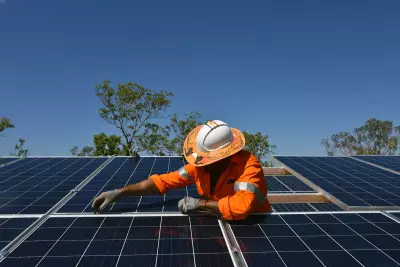
Between them, China and India are driving the most rapid transition from fossil fuels to wind, solar and nuclear power ever witnessed, suggesting that domestic climate action continues regardless of summit attendance. The question remains whether diplomatic progress can match the pace of technological change in the race against climate catastrophe.