In Our Blood: The Forever Chemicals Scandal Review – A Harrowing Look at Toxic Neglect
This deeply upsetting documentary, In Our Blood: The Forever Chemicals Scandal, travels to Bentham, North Yorkshire, a small town grappling with the most terrifyingly high levels of per- and polyfluoroalkyl substances (Pfas) ever recorded in the United Kingdom. Through rigorous testing of local residents, the film uncovers a community left in the lurch by authorities, with evidence suggesting it may now be too late for effective intervention. The story is not a new one globally, but its British iteration highlights systemic failures and human suffering on a distressing scale.
The Legacy of Forever Chemicals
Forever chemicals, known scientifically as Pfas, are synthetic compounds renowned for their resistance to oil, water, and heat. First introduced in the 1930s with innovations like Teflon, their durability is both their selling point and their curse. These substances do not break down naturally, persisting in environments such as soil, groundwater, rivers, and the air. Once they infiltrate these systems, they can enter human bloodstreams, where certain Pfas are suspected to contribute to serious health conditions, including various cancers. Despite awareness highlighted by the 2019 Hollywood film Dark Waters, based on real events from the late 1990s, the British government only formulated a plan to address Pfas in February of this year, as depicted in the documentary.
Bentham's Toxic Reality
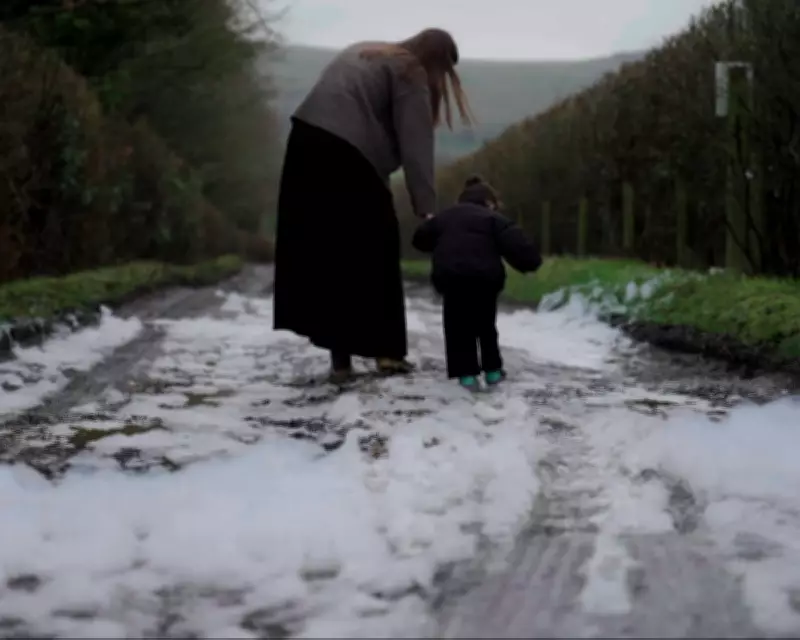
The focus of In Our Blood is Bentham, a northern English town where generations have relied on Angus Fire, one of the UK's largest manufacturers of fire safety equipment. For decades, from 1976 to 2024, the company legally produced a thick, white firefighting foam containing Pfas, used to combat jet-fuel blazes and save countless lives. However, in May 2024, a groundbreaking report by the Guardian and journalist Pippa Neill revealed that groundwater on the Angus Fire site contained the highest levels of forever chemicals ever detected in the UK. This discovery sparked a local scandal, with residents beginning to question whether their health had been compromised by the very industry that sustained their community.

Alarming Blood Test Results
Filming in Bentham commenced in June 2025, capturing a tense town council meeting where the Angus Fire CEO was notably absent. Frustrated residents faced council members who admitted to lacking sufficient information to provide clear answers. In response, the documentary launched its own investigation, testing the blood of 39 Bentham residents for Pfas levels measured in nanograms per milliliter. Scientific thresholds indicate that levels at or above two are associated with adverse health effects, while readings of 20 prompt discussions of "increased risk" in the United States. The results were staggering: one resident living near the factory recorded 28 ng/ml, the sole remaining occupant of Duke Street, adjacent to the plant's perimeter fence, showed 43 ng/ml, and a former Angus Fire worker had an astonishing 405 ng/ml. These figures alarmed American lawyers specializing in Pfas-related class action suits, who noted that even lower levels in the US have spurred legal battles.
Corporate Response and Broader Implications
Angus Fire responded to the documentary's findings by criticizing the small sample size and asserting that the company has always adhered to regulatory guidelines. The programme acknowledges the complexity of Pfas exposure, referencing a previous Panorama investigation that found a reporter with 9.8 ng/ml from everyday sources like unfiltered water and waterproof clothing. However, this offers little solace to Bentham's residents, particularly mothers who may pass Pfas to infants through breast milk or those growing food in potentially contaminated communal gardens. The documentary raises critical questions about whether British authorities should have acted sooner, echoing sentiments from real-life crusading lawyer Rob Bilott, who expressed frustration over delayed awareness and action.

A Call for Accountability and Action
In Our Blood: The Forever Chemicals Scandal serves as a powerful indictment of regulatory inertia and corporate responsibility. It underscores the urgent need for comprehensive studies to separate correlation from causation and to uncover historical knowledge gaps. As the film airs on ITV1 and remains available on ITVX, it challenges viewers to confront the ongoing environmental and health crises posed by forever chemicals, not just in Bentham but across the nation. The story of this small Yorkshire town is a microcosm of a global issue, demanding immediate attention and robust policy responses to prevent further harm.