Caribbean Nations Bear Brunt of Climate Crisis
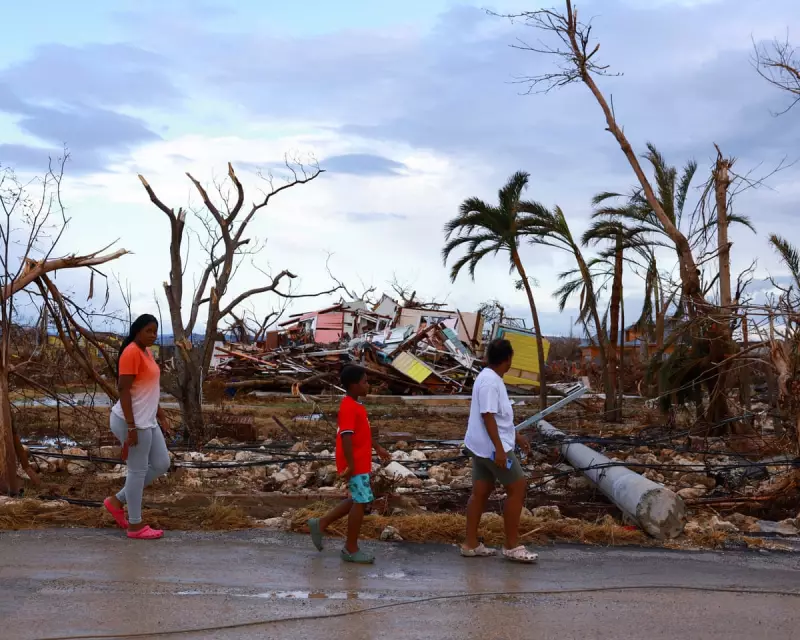
The devastating aftermath of Hurricane Melissa has left Jamaica facing catastrophic damage estimated at roughly one-third of the country's gross domestic product, according to Prime Minister Andrew Holness. The storm's ferocity comes as the Caribbean region struggles to recover from 2024's Hurricane Beryl, creating a compounding crisis that highlights the growing inequality of climate impacts.
Unprecedented Rainfall and Widespread Destruction
Initial findings from climate attribution studies reveal that last week's five-day rainfall in Jamaica was made twice as likely by higher temperatures. The human cost across the Caribbean is staggering, with the current death toll standing at at least 75 people. Critical infrastructure has been destroyed across the island nation, often before the loans used to construct it have been fully repaid.
Communities throughout Jamaica and the wider Caribbean face multiple threats simultaneously. Power cuts, severe flooding, building collapses and landslides have left some areas completely cut off from assistance. The situation is further complicated by looming food shortages as agricultural land and supply chains suffer extensive damage.

International Response Falls Short
Despite the scale of the disaster, international support remains inadequate. The UK government has pledged £7.5 million in emergency humanitarian support, a figure that Jamaican officials and climate justice advocates argue is nowhere near sufficient given the close historical ties between the two nations and the magnitude of destruction.
The crisis has prevented Prime Minister Holness from attending the crucial Cop30 climate talks in Brazil, where UN Secretary General António Guterres emphasised that countries facing the worst impacts of global heating are the least responsible for carbon emissions. This stark reality underscores what Guterres described as a moral failure in climate leadership.
Climate Finance System Shows Critical Flaws
The loss and damage fund created specifically to support nations affected by climate disasters has failed to deliver meaningful progress in current negotiations. While the fund represents an important recognition of climate injustice, significant operational breakthroughs are not expected during this round of talks.
Small island states, represented by the Alliance of Small Island States, have been increasingly assertive in international climate discussions. Earlier this year, several Caribbean nations successfully pursued an advisory opinion from the international court of justice that highlighted the substantive legal obligations created by climate treaties.
Meanwhile, the parallel crisis in Southeast Asia demonstrates the global nature of the problem. Typhoon Kalmaegi has claimed nearly 200 lives in the Philippines and Vietnam, with another typhoon predicted to strike the Philippines imminently.
The failure to maintain the agreed 1.5C warming limit - breached for two consecutive years - represents what climate leaders describe as a profound injustice. As northern temperate countries largely perceive the gravest climate dangers as future concerns, for vulnerable nations like Jamaica, the climate emergency is unfolding with devastating reality today.