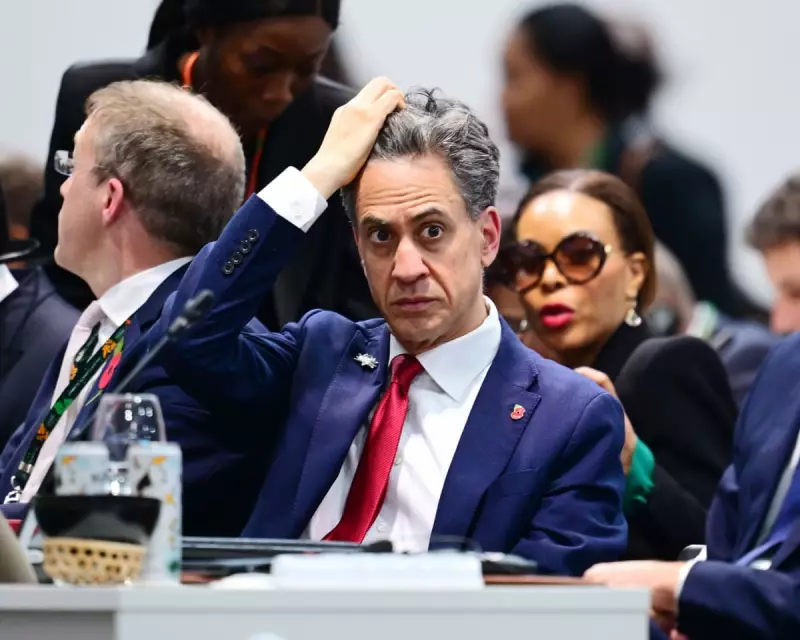
Confronting the climate emergency represents the pivotal issue that can reverse the global surge of hard-right populism, according to the UK's Energy Secretary, Ed Miliband.
Speaking exclusively before the UN's COP30 climate conference, Miliband positioned the environment as the cause around which progressives must unite, arguing that most people recognise the flawed policies of populist parties.
A Battle Against Defeatism
Miliband firmly rejected the notion of surrender, stating that 'giving up would be a total betrayal.' He emphasised that defeatism has never reduced global warming, created jobs, or achieved anything positive. His comments come as world leaders gathered in Belém, Brazil, for a pre-conference summit ahead of the official start of COP30 negotiations, where governments will attempt to forge a viable path to limit global temperature rises.

This resolute stance stands in contrast to the recent warning from UN Secretary-General António Guterres, who declared that efforts to limit heating to 1.5°C above pre-industrial levels—the critical goal of the Paris Agreement—have so far failed.
"We’ve got to be the bearers of hope," Miliband asserted. "We can fight back. Climate is a strength [in the battle against hard-right populism] not a weakness." He accused populists of wanting the public to succumb to gloom, whereas progressives must champion climate action, a desire he claims is shared by a global majority.
Internal Party Tensions and Global Realities
Miliband's powerful message also appeared directed at figures within his own Labour Party. Reports suggest some aides to Prime Minister Keir Starmer attempted to downplay UK climate policies for fear of political targeting by the climate-sceptic Reform party and even tried to prevent Starmer from attending COP30.
"People who want to shrink back from this argument and want to somehow soft pedal on this argument are just plain wrong," Miliband stated unequivocally. "Nobody ever won an argument by soft pedalling or not making the argument."
He framed the contest as one between hope and despair: "Our agenda is a hopeful agenda. The agenda of our opponents is the agenda of despair."
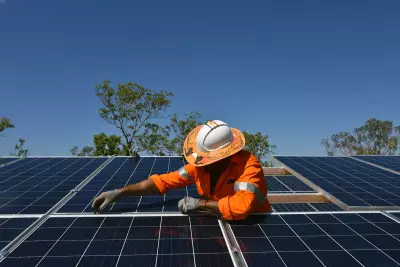
On the critical 1.5°C threshold, Miliband remains an optimist. He believes the world is on the cusp of positive tipping points, citing the 'absolute transformation' in solar power adoption. He highlighted that global investment in renewable energy now exceeds $2 trillion annually, doubling the investment in fossil fuels, with major emitters like China and India rapidly transitioning from coal to low-carbon energy.
Voices from the Frontlines of the Climate Crisis
The pre-COP30 summit in Belém was punctuated by stark reminders of the climate crisis's human cost from leaders of the most vulnerable nations.
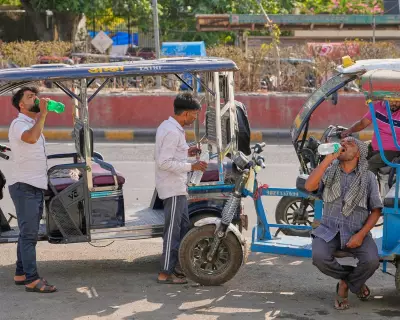
Somalia's Deputy Prime Minister, Salah Ahmed Jama, delivered a powerful speech noting his nation contributes only 0.01% of global greenhouse gases yet ranks among the four countries most devastated by drought and floods. "For us, climate crisis is a reality," he said, describing mothers walking 10km for water and pastoralists losing their herds.
Kenya's Deputy President, Kithure Kindiki, reported that scores of people were being searched for after being buried in a landslide as he spoke. He called the lack of climate finance an "insult and an injustice," but also highlighted Kenya's success, where 93% of electricity comes from clean energy.
Host president Lula da Silva of Brazil urged for a move away from the fossil fuel-based development model of the last 200 years, while Zimbabwe's Environment Minister, Evelyn Ndlovu, offered a poignant summary: "The climate crisis is not a competition. There is no winner or loser. Either we all win or we all lose."
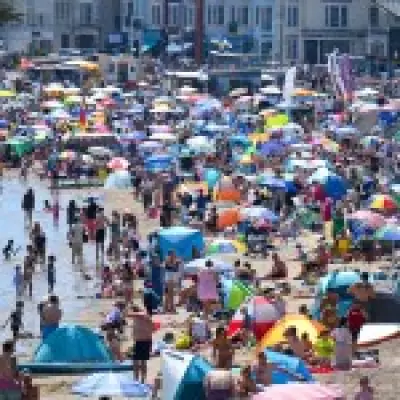
The upcoming two-week COP30 negotiations will focus on implementing the transition away from fossil fuels, protecting global forests, and raising essential climate finance. With current national pledges putting the world on track for a devastating 2.5°C of warming, the summit's success is critical for plotting a safer course for the planet.