Climate Consensus Crumbles as Political Divides Widen
The global consensus on tackling climate change has fractured, according to British Prime Minister Keir Starmer, who delivered a stark assessment during his speech at Cop30 in Brazil. Starmer's declaration that "the consensus is gone" on climate crisis action comes as Australia's major political parties demonstrate dramatically different approaches to environmental policy.
Australian Political Rift on Climate Action
This week has highlighted the growing chasm between Australia's Labor Party and the Coalition regarding their climate commitments. While Labor pushes forward with ambitious renewable energy initiatives, the opposition Coalition continues to experience internal conflicts over emissions reduction targets.
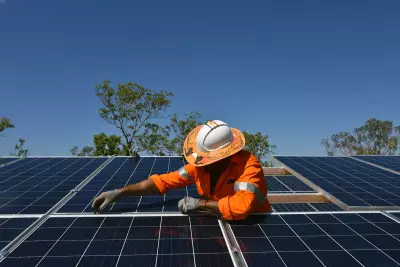
Climate Change and Energy Minister Chris Bowen recently discussed these developments with Guardian Australia's political editor Tom McIlroy, revealing details about Labor's innovative solar power scheme. The programme promises Australian households at least three hours of free solar electricity daily, even for properties without installed solar panels.

Solar Initiative and Political Implications
The free solar power scheme represents a significant step in Australia's transition toward renewable energy, potentially transforming how households access and consume electricity. However, this progressive move contrasts sharply with the Coalition's ongoing struggles to establish unified positions on climate targets.
As the international community observes these developments, the political divisions in both the UK and Australia signal challenging times ahead for global climate cooperation. The absence of consensus that Starmer identified appears to be manifesting in domestic politics across multiple nations.
The situation raises important questions about whether countries can maintain momentum toward net zero emissions amid increasing political polarization on environmental policies.