Net Zero Could Become 'Next Brexit' as Political Divide Widens Over Climate
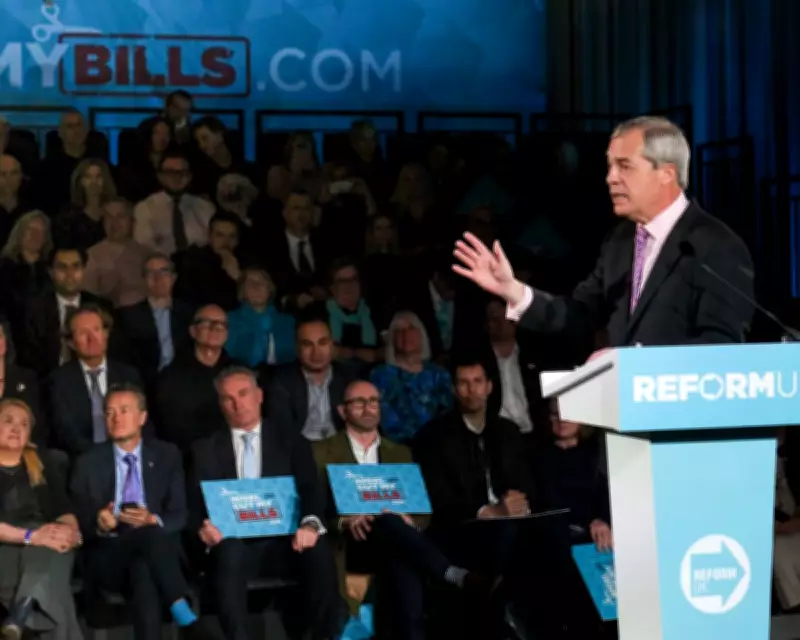
Nigel Farage has framed net zero as an obsession of 'the elites' despite strong public support for green issues. This framing comes as fears grow that climate policy could become the next major political battleground, mirroring the Brexit divide that reshaped British politics.
Oil Crisis Fuels Political Attacks on Climate Targets
A powerful coalition of the well-funded Reform party, led by Nigel Farage, the Conservative party, some business interests, and the UK's right-wing media are engaged in an onslaught against the longstanding target of reaching net zero greenhouse gas emissions by 2050. Their central claim is that net zero is worsening the oil crisis, and that drilling in the North Sea is the remedy.
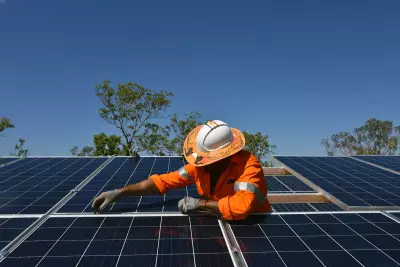
This argument persists despite clear evidence that more North Sea oil will do nothing to reduce UK bills, while climate action will reduce bills and protect the UK from future energy shocks. The current energy crisis, exacerbated by geopolitical tensions including the war on Iran, has given Reform and Conservatives an opening to attack net zero policies while the government appears hesitant to make a strong case for clean energy.

Brexit-Style Tactics Targeting Climate Policy
While support for net zero remains strong among voters, with more than 60% in favor of climate action, experts warn that the same techniques that won the Brexit referendum for the Leave camp are now being brought to bear on climate policy. "These are largely the same people [as those who campaigned for Leave] and they are using similar arguments," says Shaun Spiers, former executive director of the Green Alliance thinktank.
"They are blaming climate action for everything that's going wrong – the cost of living, the economy – even though it's clearly not to blame. They think it's an easy target, it's easy politics, and they're presenting [scrapping the policies] to people as a panacea."
The Challenge of Making Net Zero Tangible
Net zero can also seem remote to people, which does not help advocacy efforts. "Like the EU, net zero is an idea that can seem big, vague, distant, technocratic and not easy to describe," says James Meadway, director of the Verdant thinktank. "People support it, they think it's a good thing, but there is a distance between net zero and how people live. It's not something they think of as having an immediate impact on them."
Even more worrying for the government is that while the challengers to net zero are outspoken and confident, the supporters can seem weak. "It's what we saw with Remain during the Brexit debate – the advocates are often sheepish about speaking positively about it," says Luke Tryl, executive director of the research group More in Common. "Some Labour politicians seem to regard net zero as a bit of a barnacle they are stuck with, rather than something positive."
Farage's Deliberate Strategy
Farage has made no secret of his intention to find a new dividing line in British politics over the climate. He told the Sun on Sunday last year: "This could be the next Brexit – where parliament is so hopelessly out of touch with the country." Presenting net zero as an obsession of the "elites", in opposition to the interests of the ordinary voter, is central to this strategy.
Yet this framing contradicts how many people actually view climate issues. "People see that lots of aspects of climate action are just common sense, like renewable energy," says Sam Alvis, associate director of energy and environment at the Institute for Public Policy Research thinktank. "They want homegrown clean energy, it's popular. There is a lot of good faith in climate action – the UK public is actually very green."
Climate's Declining Salience Among Voter Concerns
One of the problems, according to Tryl, is that the climate is not a "salient" issue for voters at present, ranking about eighth as a concern, below more pressing day-to-day issues such as the cost of living and health. This represents a significant slip compared to a few years ago, when the UK's successful hosting of the Cop26 climate summit in Glasgow in 2021 drove more than half of the public to say the UK should meet its net zero target sooner than 2050.

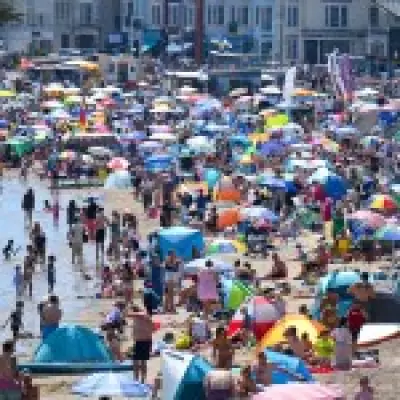
The record-breaking summer of 2022, when UK temperatures for the first time topped 40C, ensured the climate stayed a top three concern at that time. However, the current cost of living crisis has eclipsed these longer-term concerns, creating an opening for political attacks on climate policies.
Reform's Broader Strategy
Alvis warns that voters who switch to Reform because they are persuaded on their most salient concerns may later end up shifting to Reform's stance on other issues. "What Reform try to do is bring people into their camp, on issues such as migration and welfare," he says. "Then they try to get them to adopt other positions, like on climate. There is evidence that this is happening."
Government's Hesitant Response
The argument that climate action will cut bills – while made forcefully by energy secretary Ed Miliband – has yet to be heard so clearly from chancellor Rachel Reeves and prime minister Keir Starmer. Whispers that Reeves would like to cut the windfall tax on the North Sea and encourage more drilling do not present a unified front.
"I can't remember when Reeves or Starmer last spoke up in support of net zero," says Spiers. "They need to persuade people, and they need to do it emotionally as well as rationally – to talk about the threat of the climate crisis, and extreme weather, and what avoiding that means to the UK."
The Need for Stronger Advocacy
"If they [the most senior government politicians] were to step up, it could make a big difference," says Alvis. "Messages only sink in for the public when they are repeated consistently and constantly across government."
Labour has nothing to lose and much to gain from going "all out" for net zero, adds Robbie MacPherson, a Kennedy scholar at Harvard University and former head of secretariat for parliament's all-party climate group. "You've got to show what Labour stands for," he argues.
"When you have a half-arsed position, that drives unpopularity. People are not looking for half-baked politicians, they are looking for people with authenticity. When this government stays strong on what it believes in, it wins. Otherwise, it has serious problems."