Ouyen's Scorching Heat: A Personal Account of Victoria's Record-Breaking Temperatures
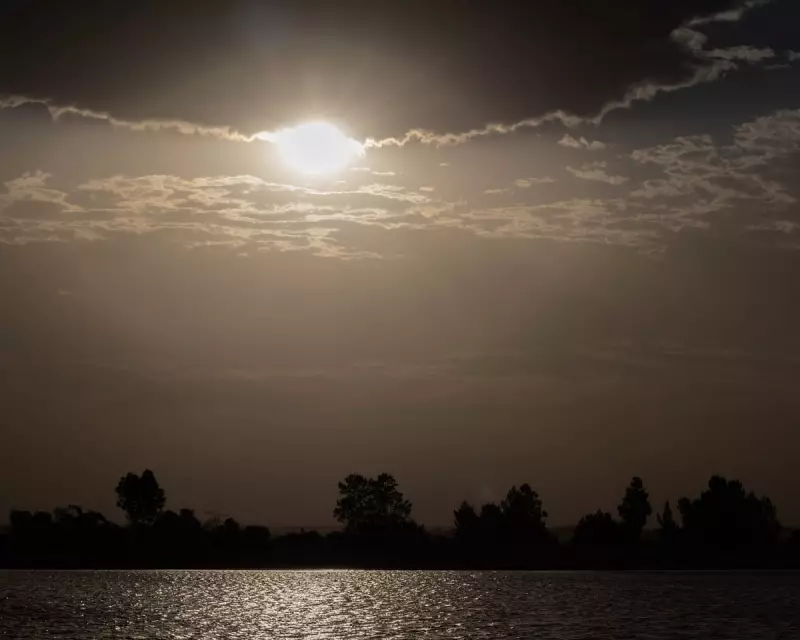
Ouyen Lake remained deserted for much of the day, with no shade available at the water's edge. However, as the sun began its descent towards the horizon, locals gradually ventured down to the shoreline. This scene captures the stark reality of life in one of the hottest places on Earth, where extreme heat dominates daily existence.
The Physical Toll of Extreme Heat
Extreme heat acts like a bully, smothering and oppressive. The air itself seems to press in, squeezing your chest and quickly penetrating through clothing to reach your throat. Bare skin stings under the sun's harsh glare, while shade offers only partial relief from the relentless warmth. In Ouyen, the concrete of the main street becomes blindingly bright, and the scent of sun-baked eucalypt leaves and pine needles hangs heavily in the still air.
Even indoors, the body slows down to cope. Fingers feel clumsy, and cognitive processes drag. A persistent, low-level nausea lingers despite diligent hydration with water and electrolytes like Hydralyte. Everything feels swollen and sluggish, a testament to the overwhelming nature of temperatures that soared to record levels.

Memories of Rural Summers
Growing up with family ties to Warracknabeal, a small town in Victoria's Wimmera region, memories of childhood summers are etched with heat. The peeling paint of grandmother's house, the parched grass of the local reserve, and metal playground equipment scorching to the touch—these images are sharp and uncomfortable. Dust storms would occasionally engulf the area, turning the sky a howling dirty orange.
This week, in the even smaller town of Ouyen, with a population of just 1,170, a record-breaking heatwave built to its peak. Located 150 kilometres north of Warracknabeal in the Mallee region, Ouyen hit the highest recorded temperature in Victoria's history. For many urban dwellers, north-west Victoria is merely a passage to Adelaide, but recent events have thrust it into the media spotlight.
Coping Mechanisms and Natural Responses
As evening approached, Ouyen Lake transformed. Children, adults, and dogs gathered to splash in the shallows and leap from the pontoon, seeking respite from the heat. Wildlife followed suit, with kangaroos congregating on the grass, kites soaring above, and birds like swallows and rainbow bee-eaters braving the hot wind to drink and cool off.
Swimming in the lake provided a fleeting moment of relief, with the water offering a proper coolness for the first time all day. Yet, the heat persisted, with temperatures still at 43°C by 7 pm and not dropping below 40°C until 8:30 pm, as the sun set in a deep flaming red.
Historical Context and Climate Concerns
Locals in these areas are accustomed to hot summers, but the intensity of this heatwave raises questions. Are memories of past weather events softened or sharpened by current experiences? Did 38°C decades ago feel like 48°C today? Scientists repeatedly warn that such extreme conditions are worsening due to climate change, urging action to mitigate future impacts.
For residents, however, a few degrees difference might seem negligible amidst a string of blistering days. The heatwave brought back memories of Black Saturday in 2009, when similar records were set and devastating fires raged. In Ouyen, hot gusts from the south-west late on Tuesday afternoon evoked eerie reminders of that past trauma, highlighting the ongoing fire risks in the state.
This account underscores the brutal reality of extreme heat in rural Victoria, blending personal reflection with broader environmental insights.