Rachel Reeves Calls for Accelerated Clean Energy Transition at G7 Meeting
Chancellor Rachel Reeves is set to deliver a stark warning to G7 finance and energy ministers on Monday, arguing that accelerating the shift to clean energy represents the best defense against volatile global oil and gas prices. The meeting comes amid a continued blockade of the Strait of Hormuz, which has triggered a major international energy crisis.
Reeves will explicitly reject calls from the Conservative Party and Reform UK to issue new oil and gas licenses in the North Sea, stating that such measures would not insulate British consumers from future price shocks. "The only lasting route to lower bills is clean, homegrown power that cuts our exposure to the volatility of global gas markets," Reeves told the Guardian ahead of the crucial gathering.
Starmer Convenes Emergency Energy Summit
Prime Minister Keir Starmer will simultaneously host senior leaders from major energy corporations including Shell, BP, Centrica, and Equinor at 10 Downing Street. The emergency summit will also include insurance giant Lloyd's of London, shipping firms Maersk and CMA, and financial institutions such as HSBC and Goldman Sachs.

The meeting aims to develop both short-term contingency plans and long-term strategies to address the escalating crisis in the Strait of Hormuz. Iranian threats to assert sovereignty over the vital shipping channel, including potential fees for vessel access once it reopens, have heightened global energy security concerns.
Political Divide Over Energy Strategy
The energy crisis has exposed deep political divisions in British politics. Conservative leader Kemi Badenoch has ramped up pressure on the government to take immediate action, calling for the removal of VAT from energy bills alongside increased North Sea drilling. "By drilling in the North Sea and scrapping Ed Miliband's crazy green taxes, our Cheap Power Plan would reduce bills by £200 for everyone," Badenoch stated during a visit to Aberdeen and an offshore oil rig.
However, Badenoch conceded during a BBC interview that additional drilling would not directly reduce consumer energy bills, acknowledging that "the drilling isn't going to go directly on to people's bills." Instead, she argued for reducing dependence on Norwegian imports, which currently supply 40% of Britain's gas needs.
Reeves Defends Labour's Energy Record
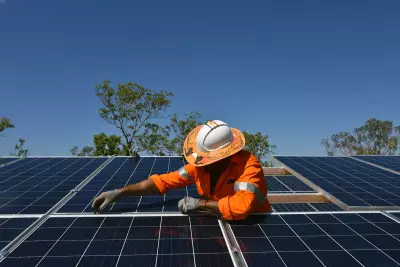
The Chancellor pointed to recent reductions in energy bills as evidence of her government's effective policies. "Energy bills are coming down for families this week thanks to the actions of this Labour government – action that was opposed by the Tories and Reform," Reeves declared. She emphasized that the transition to renewable and nuclear energy must be a collective international effort, stating that "as we move faster on renewables and nuclear, our partners in the G7 must do the same."
Treasury sources confirmed that Reeves will advocate for accelerated investment in renewable energy infrastructure and nuclear power during the G7 discussions. She will also highlight Britain's commitment to implementing the Fingleton review this year to streamline nuclear project delivery. The Chancellor is expected to warn against any weakening of collective resilience, including easing sanctions on Russian energy exports or implementing new trade barriers.
Broader Implications for Energy Security
The current crisis has reignited debates about Britain's long-term energy strategy and its commitment to net zero targets. Reeves framed the clean energy transition as essential not just for environmental reasons but for economic stability, arguing that "staying stuck on the rollercoaster of global oil and gas prices will help nobody." She criticized opposition parties for pursuing what she characterized as headline-grabbing policies rather than substantive solutions.
Meanwhile, the Prime Minister's emergency meeting with industry leaders reflects growing concern about the Strait of Hormuz blockade's potential to disrupt global energy supplies for an extended period. The discussions are expected to inform both immediate response measures and strategic planning for future energy security challenges.