Lincolnshire's Solar Farm Battle: Residents vs. Miliband's Green Energy Push
In the quiet countryside of Lincolnshire, a storm is brewing over the rollout of massive solar farms, pitting local residents and Reform politicians against Energy Secretary Ed Miliband's ambitious clean energy plans. With more large-scale solar projects approved here than anywhere else in the UK, the county has become a frontline in the nation's energy transition, sparking civil disobedience and deep political divisions.
Reform Councillors Ready for Civil Disobedience
Sean Matthews, the Reform leader of Lincolnshire County Council, is plotting a campaign of civil disobedience to halt solar developers. A former Metropolitan police officer, Matthews declares he is willing to lie down in front of bulldozers and face arrest. "They can arrest me – I've arrested plenty of people," he says, emphasizing his passion for protecting the county's future. Fellow Reform councillor Natalie Oliver echoes this defiance, stating she would do anything for her residents, even if it means spending time in jail.
This rebellion highlights a broader political clash. Miliband has pledged to tackle blockers in the planning system to accelerate renewable projects, aiming to triple solar power by 2030. However, in Lincolnshire, grassroots campaigners and Nigel Farage's anti-net zero disruptors are gaining traction, with Reform now controlling the county council and securing mayoral victories.

Residents' Fears: Lost Idylls and Food Security
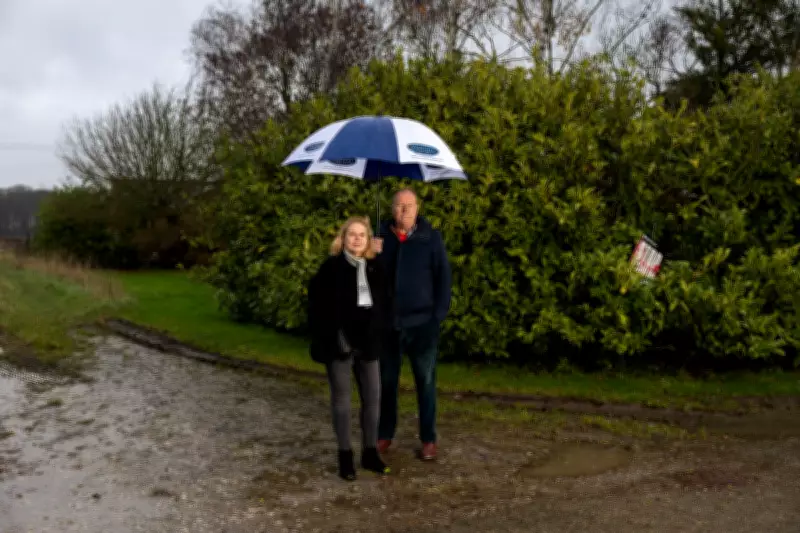
For locals like Alison Wood and Nick Mapstone, the solar revolution threatens their peaceful rural life. They moved to Lincolnshire in 2000 to create a sanctuary for their autistic daughter, but now face the Tillbridge Solar farm—covering 1,400 hectares—right behind their cottage. Wood expresses despair: "It was our little rural idyll for years until the solar farm landed on us." They worry about noise from nearby substations affecting their daughter's well-being, with Mapstone noting the stress has led to depression and anxiety.
Beyond individual homes, concerns over food security are rampant. Farmer Nick Hill criticizes the loss of arable land, arguing that leasing to solar companies is driven by greed. "In the second world war, if the boats didn't come across, we had days before running out of food," he warns, calling the solar push shortsighted. Despite developers' claims that projects avoid high-grade land and have minimal impact on food security, many residents feel Lincolnshire is being sacrificed.
Political Polarization and Climate Skepticism
The issue has deeply politicized the county. Reform deputy leader Richard Tice has organized protests, threatening to rip up solar contracts if his party gains power. Hill, once a non-voter, now plans to vote Reform, echoing Tice's "net zero stupid" rhetoric. Matthews and Oliver even aspire to stand in the next general election, further entrenching the divide.
Climate skepticism is also rising. Matthews questions human influence on global warming, dismissing scientific consensus as "30 years old made-up stuff." While groups like 7000 Acres—representing over 30 villages—claim they are not climate deniers, they criticize the rush to solar and suggest alternatives like modular nuclear reactors or fracking, which Matthews enthusiastically supports despite past bans due to earthquake risks.
Solar Supporters: A Quiet Minority
Amid the backlash, solar supporters often keep a low profile. Neil Murray, an independent councillor, notes that proponents speak in "hushed tones" to avoid confrontation. He argues that renewable energy is essential for energy independence and that most of Lincolnshire will remain untouched. "If we want electricity and we don't want to be beholden to dictators, we need clean, renewable energy," he asserts, acknowledging isolated cases of hardship but urging perspective.
On the ground, solar farms like Whitecross—managed by Saffron Hooper-Kay—showcase benefits. Producing power for 10,300 homes annually, it reduces greenhouse gases equivalent to removing 1,620 cars. Farmer Andrew Darley, who leases the land, says the income has quadrupled his earnings and allowed wildlife to thrive, with hares and birds flourishing among the panels.

Future Uncertainties and Market Threats
The solar industry faces uncertainty from Reform's threats to cancel price guarantees, which investors rely on for profitability. Hooper-Kay warns this is shortsighted, jeopardizing energy security. Meanwhile, the government's Great British Energy initiative plans to support community-owned projects, but hardliners like Matthews remain opposed, viewing solar as an eyesore regardless of ownership.
As the debate rages, Murray reflects on history: "Did the people in Lincolnshire complain when much of Yorkshire and Scotland were covered in coalfields? Of course not. It's time for Lincolnshire to do its part." With emotions running high and elections looming, the outcome of this battle will shape not only Lincolnshire's landscape but the UK's entire energy future.