Southern Africa Grapples with Catastrophic Flooding and Crocodile Threats
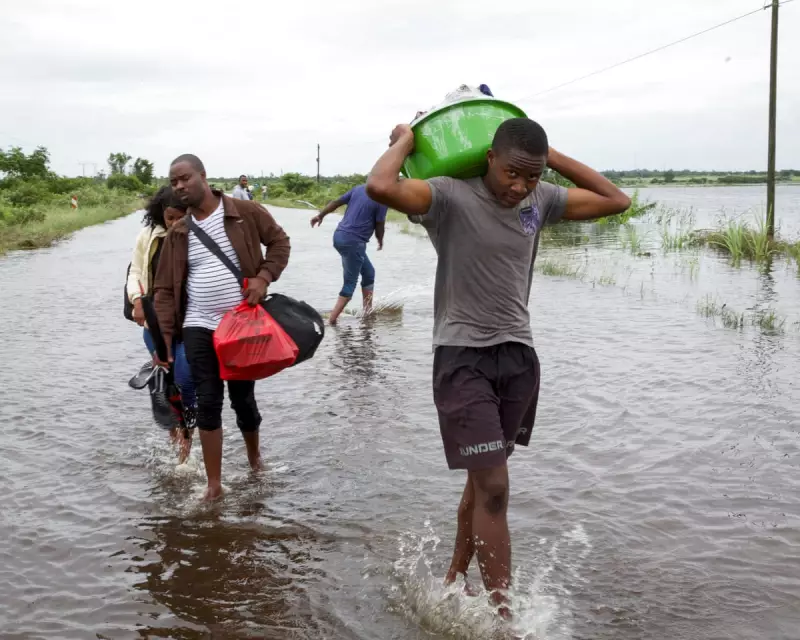
Devastating floods have unleashed a humanitarian crisis across southern Africa, with authorities confirming more than 100 fatalities and hundreds of thousands displaced since the beginning of the year. The disaster has brought not only widespread destruction but also alarming warnings about crocodile attacks, cholera outbreaks, and severe food insecurity as floodwaters continue to rise.
Human Toll and Crocodile Dangers in Mozambique
In Mozambique, the national disaster management agency reports 13 confirmed deaths, including three individuals killed by crocodiles as the Limpopo River and other waterways overflowed their banks. Henriques Bongece, Secretary of Mozambique's Maputo province, issued urgent warnings about the reptiles, stating they appear to have been washed into populated areas by floodwaters originating in South Africa.
"We want to urge everyone not to approach still waters because crocodiles are drifting in these waters. The rivers have connected with all areas where there is water," Bongece told local media. Officials confirmed one crocodile-related fatality in Maputo's Moamba town and two more in neighbouring Gaza province.

Regional Impact and Historical Context
The flooding represents the worst Mozambique has experienced since 2000, when approximately 700 people lost their lives. Despite several days without rainfall, water levels continue to rise in some areas as floodwaters flow across the border from South Africa. Nearly 400,000 people have been displaced, with many requiring helicopter rescues from trees and rooftops.
In Zimbabwe, more than 70 people have perished, while South Africa has recorded at least 30 fatalities. The internationally renowned Kruger National Park saw hundreds of visitors evacuated earlier this month following torrential downpours.
Infrastructure Collapse and Health Concerns
Vast areas remain submerged, with Mozambique's main N1 highway connecting the country from north to south completely closed. Aid workers express grave concerns about cholera and other water-borne diseases in temporary camps housing almost 100,000 displaced people.
"Most of these camps are not prepared to receive a lot of people and they don't have basic infrastructure – good toilets, places to deposit garbage. So for sure, soon we will have cases of cholera," warned Gaspar Sitefane, Director of WaterAid Mozambique.
Agricultural Devastation and Funding Challenges
The floods have destroyed approximately 60,000 hectares of farmland and killed more than 58,000 livestock according to Mozambique's disaster agency, creating significant food security concerns. Sitefane noted that emergency response funding is arriving more slowly and in smaller amounts than in previous disasters, attributing this trend to developed nations redirecting aid budgets toward defence spending.
In South Africa, the government has established a recovery fund for Kruger National Park and is seeking donations from national and international sources. Environment Minister Willie Aucamp estimated that repairing damaged infrastructure including bridges and roads could cost up to 700 million rand (£32 million).
Climate Crisis Connection
Southern Africa has experienced increasingly extreme weather patterns in recent years as the climate crisis intensifies, swinging between record-breaking droughts, cyclones, and extreme rainfall events. This latest flooding disaster underscores the region's vulnerability to climate-related emergencies and the complex challenges they present for humanitarian response and long-term recovery efforts.