UK Government Announces Significant Reduction in Climate Assistance to Developing Nations
In a controversial decision that has sparked widespread criticism, the United Kingdom has revealed plans to cut climate aid to developing countries by approximately 14%, reducing annual funding to roughly £2 billion. This move forms part of a broader "refocus" of international assistance, which opponents argue will endanger both national security and lives overseas.
Broader Aid Budget Faces Substantial Reduction
The climate funding reduction occurs within the context of a larger decrease in the UK's overall aid budget, which has been slashed to 0.3% of gross national income. This represents a significant drop from previous commitments and affects multiple critical areas including health, education, and humanitarian assistance programs.
Government officials stated that climate spending would amount to "around" £6 billion over a three-year period. However, experts have cautioned that this figure likely represents less than £6 billion rather than more. Under the previous five-year arrangement, the UK provided £11.6 billion over five years, equating to about £2.3 billion annually.

Nature and Forest Funding Eliminated
In a particularly notable change, the previous earmark of £3 billion in funding for nature and forest projects has been completely scrapped. The climate funding pledge also abandons the former practice of establishing five-year budgets, which allowed for longer-term projects that experts considered more efficient and effective.
The decision follows intense disagreements with the Treasury, which reportedly advocated for even deeper cuts due to spending pressures resulting from international conflicts. Treasury officials argued that additional funds were necessary for defense and economic stabilization in light of global tensions.
Political Figures Express Grave Concerns
Foreign Secretary Yvette Cooper defended the government's position, stating: "With less investment we need to refocus to ensure it has the most impact. Responding to desperate humanitarian crises, preventing conflict and upholding international law are not only a core part of Britain's values and our common humanity. They are also central to Britain's interests, because in an increasingly interconnected world, we know that instability abroad affects us back at home."
However, numerous political figures have voiced strong objections to the funding reductions. Dr. Beccy Cooper, chair of the all party parliamentary group on global health security, warned: "Today's spending plans put Britain and the world at risk. When health systems in the poorest countries are not supported to become resilient, diseases spread faster and further. Protecting public health at home means investing in strong health systems everywhere."
Security Implications and Expert Warnings
Former international development minister Gareth Thomas emphasized the security implications, stating: "In an already unsafe world, cutting aid risks alienating key allies and will make improving children's health and education in Commonwealth countries more difficult. We risk creating more opportunities for regimes who don't share our values. Our security depends not just on a stronger military but also on building soft power so that our soldiers aren't needed."
Campaigners and environmental organizations have characterized the budget cuts as dangerously shortsighted, particularly given recent warnings from intelligence leaders that ecosystem collapse worldwide represents a serious threat to UK national security. Jonathan Hall, managing director of Conservation International UK, noted: "We simply cannot hope to stop the climate crisis without tropical forests. For 15 years, the UK's international climate finance has always had a clear funding goal for stopping deforestation. To now drop any commitment to spend a significant portion of our climate aid on nature and forests flies in the face of the government's own security experts."
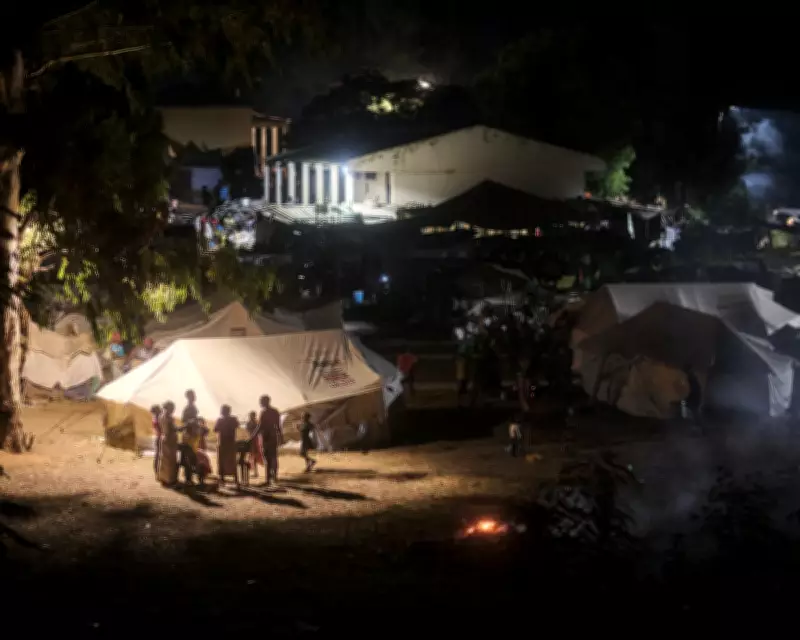
The funding changes come at a time when displaced populations in regions like Xai-Xai, Gaza province, Mozambique continue to rely on international assistance following devastating flooding events. As critical programs face elimination, the debate over the UK's international commitments and their domestic security implications continues to intensify.