

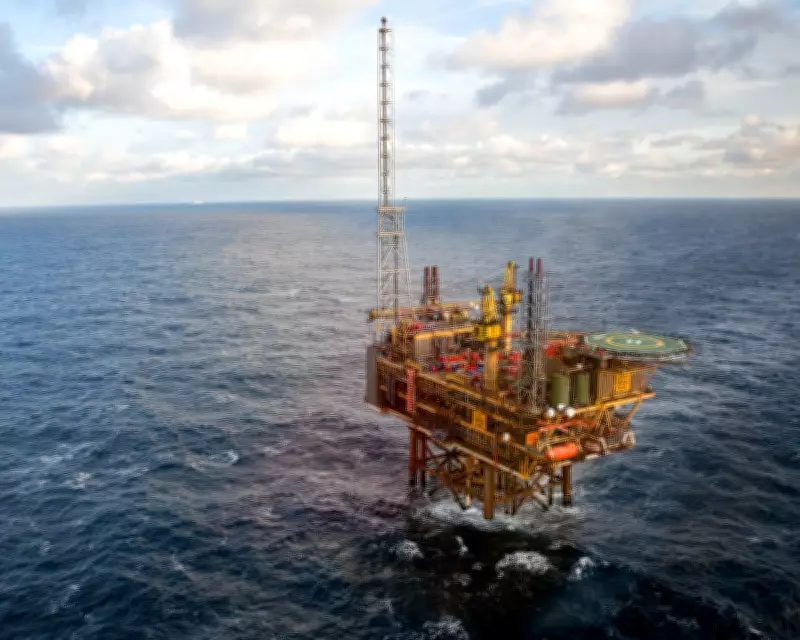
UK's New North Sea Oil and Gas Fields Threaten Global Climate Goals, Experts Warn
Opening new oil and gas fields in the North Sea would send a shock wave around the world, imperilling international climate targets, undermining the UK's climate leadership, and encouraging developing countries to exploit their own fossil fuel reserves, according to senior climate experts. The UK government faces stiff pressure from the oil industry, the Conservatives, Nigel Farage's Reform UK party, some trade unions, and parts of the Treasury to approve new drilling, despite clear evidence that it would not cut prices and have almost no effect on imports.
Minimal Impact on Gas Imports
Two of the biggest remaining fields in the North Sea, Rosebank and Jackdaw, are within the licensing system. Research shows that if exploited, these fields would displace only 1% and 2% respectively of the UK's gas imports. The North Sea is more than 90% depleted, with the last pockets increasingly costly and energy-intensive to extract, making new drilling economically and environmentally questionable.
Dangerous Signal for Global Climate Efforts
Senior figures in international climate diplomacy have labeled new drilling as dangerous for global efforts to cut greenhouse gas emissions and phase out fossil fuels. Nicolas Stern, a professor at the London School of Economics, stated that new drilling and decelerating climate action would be bad for growth and energy security in the UK, while sending a damaging signal to the world. He emphasized that the UK, as a pioneer in climate action with its net-zero commitment by 2050, sets an example that the world takes notice of.

Backlash from Developing Nations
An anonymous senior African negotiator reacted furiously to the suggestion of UK expansion, warning that Africa would reject any proposal for new oil drilling. They argued it is fundamentally inconsistent with the Paris agreement and would weaken trust with climate-vulnerable nations. The negotiator added that new exploration by a historic emitter risks setting a dangerous precedent for other countries to follow, contradicting the urgent need for a rapid transition away from fossil fuels.
Economic and Environmental Risks
Christiana Figueres, former executive secretary of the UN framework convention on climate change, highlighted that economics and climate risks argue against the move. She noted that while countries seek energy security, expanding oil and gas drilling risks locking in outdated infrastructure. True energy independence, she said, lies in scaling clean, domestic energy rather than extending the life of declining industries.
Undermining International Progress
The UK has been a key supporter of a global conference in Colombia on transitioning away from fossil fuels, but Ed Miliband, the UK's secretary of state for energy security and net zero, will not attend, with Rachel Kyte going instead. Experts warn that licensing new fields before the conference could undermine progress in encouraging developing countries to forego fossil fuels. Mohamed Adow, director of Power Shift Africa, stated that UK approval would prioritize short-term interests over long-term responsibility, setting a poor example for the world.
Leadership and Credibility at Stake
Many developing countries are considering exploiting their own resources instead of opting for renewables, which could push the world beyond carbon limits. Adow pointed out that wealthier nations investing in fossil fuels undermine their credibility when urging others to adopt clean energy. A senior development official noted that developing countries are already questioning why they shouldn't tap into their fossil fuels if the UK does, emphasizing the need for leadership.
An ally of Miliband defended the UK's position, stating that no new exploration licences represent landmark global leadership, with Miliband shifting the Overton window on climate action. The government has been contacted for comment on these concerns.






