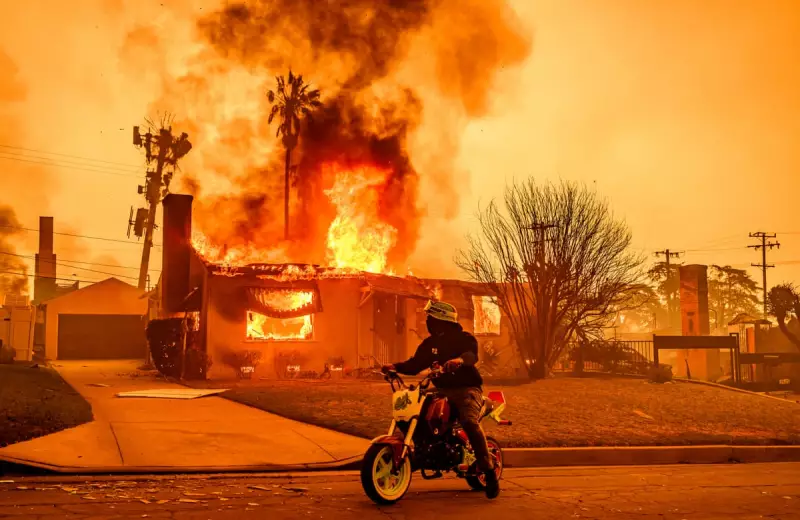
Emergency management experts have issued a stark warning that the United States has become significantly less prepared for natural disasters during Donald Trump's second presidential term. They describe a dangerous erosion of national capacity to prepare for and respond to escalating climate-driven catastrophes.
A System Gutted by Cuts and Chaos
The first year of Trump's return to office was marked by deep budget cuts and a massive reduction in staff at frontline federal agencies. Key bodies like the Federal Emergency Management Agency (FEMA) and the National Oceanic and Atmospheric Administration (NOAA) were particularly hard hit.
FEMA entered the 2025 hurricane season without a formal plan, grappling with low morale, leadership gaps, and the loss of roughly a third of its full-time staff. The agency was placed under tighter financial controls, requiring personal approval from Homeland Security Secretary Kristi Noem for spending over $100,000, severely hampering rapid response capabilities.

Concurrently, the administration clawed back funding for climate-resilience initiatives, canceled critical research contracts, and removed public data portals. The financial toll has been immense: in the first half of 2025 alone, damage from weather and climate disasters exceeded $101 billion, the costliest first half of any year on record since 1980.
Cracks in the Safety Net Begin to Show
The consequences of these policies have already manifested in deadly failures. After the Guadalupe River flooded in Texas in July, killing over 135 people, administration officials took more than 72 hours to authorise federal search-and-rescue teams.
In Alaska, a gutted weather-balloon network failed to provide adequate warning for one of the state's most destructive storms. Nationwide, staffing crises forced several National Weather Service offices to cease overnight monitoring and reduce weather balloon launches, undermining forecast accuracy.
Monica Medina, former principal deputy administrator of NOAA under Obama, summarised the situation as a "perfect storm" where ever-escalating threats meet a crumbling safety net. "People will suffer. It is just that simple," she stated.
A Global Leader in Climate Science Steps Back
The United States, once a global leader in climate science, has sharply reversed course. NOAA lost thousands of staff, including hurricane hunters and researchers, hobbling essential functions. The White House canceled contracts for national climate assessments and took the climate.gov portal offline.
Critical infrastructure is also being dismantled. Nine NOAA stations tracking tsunami-causing earthquakes went offline in November 2025 after funding was pulled, and key satellite instruments are under threat. These losses will have a profound global impact, affecting severe weather tracking in Europe, disaster response in the Caribbean, and climate crisis monitoring in the Amazon.
"This is an essential part of the social safety net we depend on the government to provide... and this administration is dismantling it," said Medina, noting that the loss of data and scientific expertise will be extremely challenging to rebuild.
With the future of federal support in doubt and extreme weather predicted to intensify, emergency managers are urging the public to take personal preparedness seriously. As Bill Turner of the National Emergency Management Association cautioned, "We are trying to break down that misconception that after a major disaster, the state or federal government will be able to come in and make you whole."