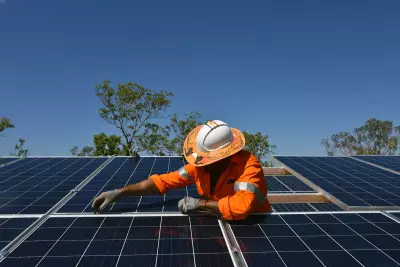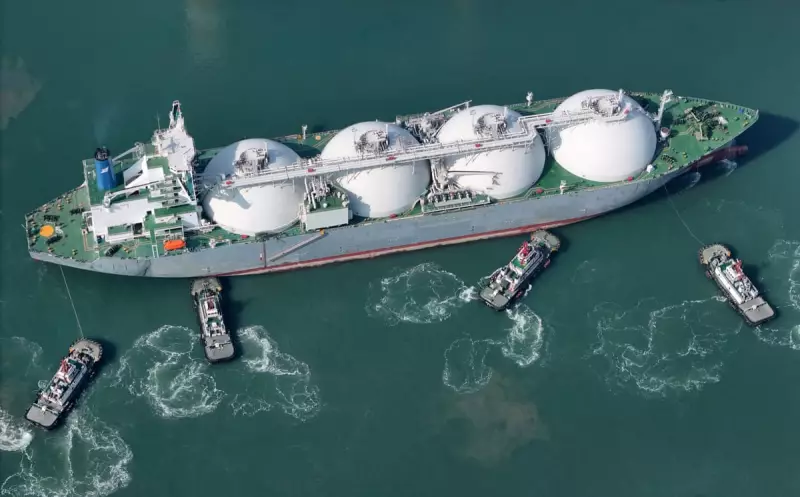
A bombshell confidential report from the Western Australian government has uncovered a troubling paradox: the state's booming gas export industry could be hampering Asia's transition to clean energy.
The leaked document, obtained by Guardian Australia, suggests that Australia's relentless push to expand liquefied natural gas (LNG) shipments to Asian markets might be creating a fossil fuel dependency that delays crucial investment in renewable alternatives.
The Clean Energy Dilemma
While natural gas is often touted as a 'bridge fuel' between coal and renewables, the report indicates this bridge might be becoming a permanent roadway. Asian nations receiving Australian LNG are potentially slowing their adoption of solar, wind and other zero-emission technologies due to reliable access to gas.

The confidential assessment reveals serious concerns within government circles about the long-term environmental consequences of Australia's gas expansion strategy.
Economic Benefits vs Climate Responsibilities
Western Australia finds itself in a difficult position. The gas industry:
- Generates billions in state revenue
- Creates thousands of jobs
- Supports regional communities
However, the report suggests these short-term economic gains might come at the expense of both Australia's climate commitments and Asia's sustainable energy future.
Global Climate Implications
The findings have significant implications for international climate efforts. If Asia's transition to clean energy slows due to gas availability, global emissions reduction targets could become increasingly difficult to achieve.
The report raises urgent questions about whether Australia's energy export strategy aligns with its international climate obligations under the Paris Agreement.
Government officials are now facing mounting pressure to reconcile the state's economic interests with its environmental responsibilities as the climate crisis intensifies.