Water-Related Violence Almost Doubles Globally in Two Years, Thinktank Reports
Water-related violence has surged dramatically across the globe, with incidents nearly doubling in just two years according to new research. Experts warn that climate change, governmental corruption and failing infrastructure are creating a perfect storm for escalating conflicts over this vital resource.
Alarming Statistics Reveal Sharp Increase
The Pacific Institute, a US-based thinktank, has documented a worrying escalation in water-related conflicts. Their research shows 419 incidents of water-related violence were recorded in 2024, a substantial increase from 235 incidents documented in 2022. This represents an alarming trend that shows little sign of abating.
Dr Peter Gleick, co-founder and senior fellow at the institute, explained the complex nature of these conflicts. "We're seeing more conflicts and they are multicausal," he said. "The climate crisis and extreme weather play a part but there are lots of other factors such as state failure and incompetent or corrupt governments, and lack of or misuse of infrastructure."

Global Hotspots of Water Conflict
The research highlights several regions where water tensions have escalated into violence:
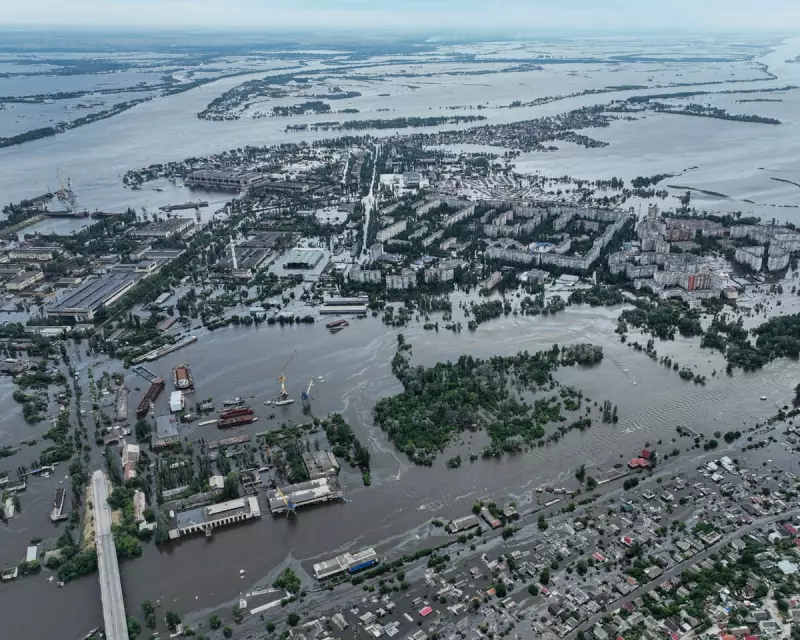
- Ukraine: Russia has targeted hydropower dams as part of its military strategy, with devastating consequences for local populations
- Gaza: Israel has systematically destroyed water systems and desalination plants, creating a humanitarian crisis
- South Asia: Tensions over the Indus River water-sharing treaty between India and Pakistan have intensified
- Africa: Water insecurity in east Africa and the Sahel region is forcing population movements that trigger local conflicts
- North America: The Colorado River and Rio Grande have become increasingly politically contentious
Joanna Trevor, Oxfam's water security lead, provided specific examples of how water is being weaponised. "In Gaza, Israel systematically weaponised water," she said. "They deliberately targeted water systems and desalination plants and blocked repairs. Wastewater contaminated drinking water due to the destruction of sewage and storm water infrastructure, and people have been attacked while waiting or queueing for water."
Political Dimensions and Future Risks
The political dimension of water conflicts is becoming increasingly significant. Gleick highlighted how border politics in North America have escalated tensions. "Several people were killed in Mexico during a protest at a dam used to deliver water to the US, after farmers objected to the releases," he noted.
Looking ahead, experts warn of potential flashpoints in central Asia. Afghanistan's construction of the Qosh Tepa canal to divert water from the Amu Darya River could significantly reduce flows to neighbouring countries including Uzbekistan, Tajikistan and Kyrgyzstan, potentially triggering regional conflicts.
Systemic Failures and International Response
The United Nations has sounded the alarm about global water security. UN institutes predict that global freshwater demand will exceed supply by 40% by 2030, with the UN University Institute for Water, Environment and Health declaring that the world has entered an era of "water bankruptcy."
Trevor emphasised the need for better international cooperation. "With water insecurity rising, more accountable transboundary treaties need to be put in place that cater for all people in a way that secures their human right to water," she said. "There needs to be a greater recognition of the need to better share water beyond current water-sharing agreements that are often voluntary and thereby totally reliant upon good will."
Despite the grim outlook, Gleick maintains that solutions are possible. "We can solve our water problems - I don't argue that we will or that we will do it soon, but we can," he stated. "That includes the impacts of climate change on water, meeting basic human needs and rights for water, addressing ecosystem problems, and reducing the risks of conflicts over water resources."

The dramatic increase in water-related violence serves as a stark warning about the growing importance of water security in global affairs. As climate change intensifies and populations grow, managing this precious resource effectively will become increasingly critical to maintaining global stability and preventing further conflicts.