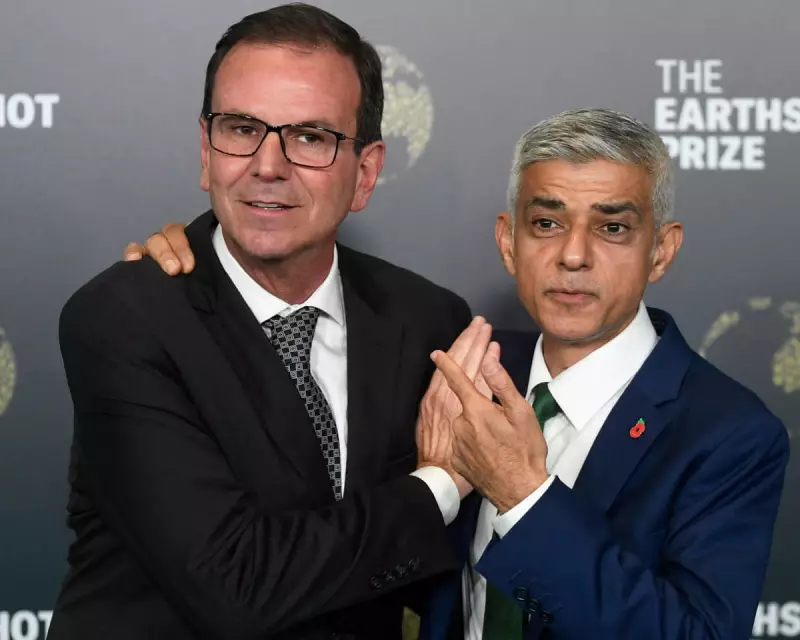
In a powerful display of urban leadership, mayors from across the globe gathered in Rio de Janeiro this week to challenge climate-sceptic national governments and showcase ambitious environmental initiatives. The C40 World Mayors Summit, co-chaired by London's Sadiq Khan and Rio's Mayor Eduardo Paes, brought together approximately 300 city leaders determined to take concrete action against climate change.
Defiance in the Face of Political Opposition
The summit opened against a backdrop of political tension, with protests on Copacabana beach highlighting Brazil's complex social issues. Meanwhile, UN Secretary General António Guterres acknowledged the inevitable overshooting of the Paris Agreement's 1.5C global heating target, warning of devastating consequences for humanity.
London Mayor Sadiq Khan emphasised the critical role cities play in the climate battle, noting that urban areas account for 75% of global carbon emissions. The substantial US delegation of about 100 mayors demonstrated particular defiance against the Trump administration's climate scepticism.

Global Mayors Leading Climate Innovation
From Sierra Leone to Australia, city leaders are implementing groundbreaking solutions despite limited resources and political opposition.
In Freetown, Mayor Yvonne Aki-Sawyerr is tackling deforestation through an innovative project converting faecal sludge into odourless briquettes as alternative cooking fuel. With the city's population expected to double by 2028 due to climate-driven migration from rural areas, her initiative to plant 5 million trees by 2030 represents crucial climate adaptation.
Milan's Mayor Giuseppe Sala has implemented Europe's largest low-emission zone and introduced food waste reduction programs in schools that save approximately 10,000 sandwiches monthly. His step-by-step approach has gained public acceptance despite Italy's far-right government expressing concerns about the ideological nature of climate policies.
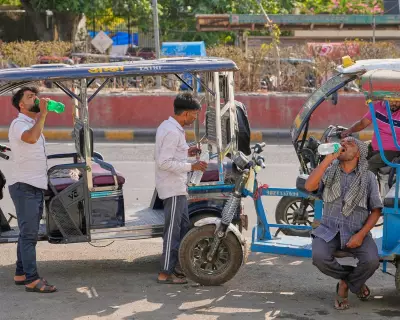
Phoenix Mayor Kate Gallego described how record-breaking temperatures - including 113 days above 100°F last year - have created political consensus for action. However, she noted that the change in US administration has dramatically impacted federal support for renewable energy and electric vehicle projects.
Local Solutions to Global Challenges
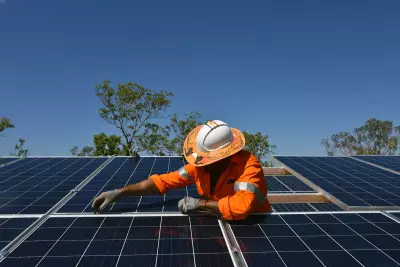
Smaller cities are also making significant contributions. In Argentina's Despeñaderos, Mayor Carolina Basualdo has implemented solar panel programs and creative recycling initiatives despite receiving no support from Javier Milei's climate-sceptic government.
Melbourne's Lord Mayor Nick Reece highlighted the emerging challenge of data centre energy consumption, warning that without proper regulation, these facilities could account for a fifth of the city's energy use by 2040.
Fortaleza's Mayor Evandro Leitão discussed Brazil's complex balancing act between development and preservation, having expanded green spaces by 40% equivalent to 4,100 football pitches in just five years.
As the climate crisis intensifies, these urban leaders demonstrate that local action can drive global change, even when national governments remain sceptical about the urgent need for environmental protection.