A fresh wave of legal challenges led by young climate activists is confronting the United States government over its continued support for fossil fuel projects. This judicial pushback comes in direct response to a significant policy shift in late 2024, where the Biden administration approved several major fossil fuel developments, including the contentious Alaska LNG project.
The Legal Frontline: Youth Plaintiffs Challenge State Policy
At the heart of this movement is the landmark case, Juliana v. United States. Originally filed in 2015, the lawsuit argues that the US government, by actively promoting a fossil fuel-based energy system, has violated the constitutional rights of young people to a stable climate and a healthy environment. After nearly a decade of complex legal manoeuvres, the case is poised for a critical hearing.
The US District Court in Oregon has scheduled oral arguments for 22 January 2026. This hearing will determine whether the case can finally proceed to trial. The plaintiffs' legal team is preparing to argue that recent government actions, specifically the approval of new fossil fuel infrastructure, provide renewed evidence of the ongoing constitutional harm alleged in their original complaint.

A Policy of "Contradiction": New Projects Amid Climate Pledges
The activists' legal strategy gained urgent relevance following a series of federal decisions in late 2024. Despite ambitious climate pledges, the Biden administration granted crucial permits for the Alaska LNG project, a massive $43 billion endeavour. Furthermore, it reinstated leases for oil and gas drilling in the Arctic National Wildlife Refuge and approved the Sea Port Oil Terminal in the Gulf of Mexico.
Climate advocates have labelled this a policy of "contradiction." Julia Olson, chief legal counsel for Our Children's Trust, the non-profit supporting the Juliana case, stated these approvals demonstrate a "systemic pattern" of infringement on youth rights. The legal argument hinges on the claim that the government is not merely failing to act on climate change, but is actively causing harm through its permitting and subsidy of fossil fuels.
Broader Implications and the Road to the Courthouse
The outcome of the January hearing could have profound implications for climate litigation globally. A decision to allow the case to go to trial would set a powerful precedent, potentially forcing the US federal government to legally justify its energy policies against constitutional standards. Conversely, a dismissal would represent a major setback for this particular legal avenue.
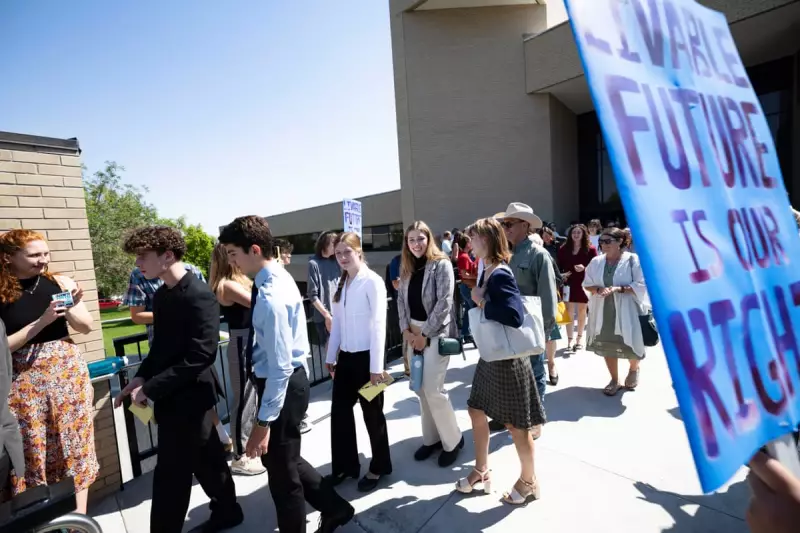
This judicial action forms part of a wider, increasingly assertive response from the youth climate movement. Faced with policy decisions that they believe mortgage their future, young activists are turning to the courts as a critical tool for accountability. Their core demand is for the government to develop and implement a science-based national climate recovery plan to drastically reduce carbon emissions and protect vital natural resources.
The world will be watching the Oregon district court in January 2026, as a group of young Americans seeks to hold their government to account for its role in the climate crisis. Their lawsuit represents a pivotal test of whether constitutional rights can be leveraged to compel systemic action on the defining environmental challenge of our time.