Australia's Ambitious Ocean Protection Plan Takes Shape with Marine Park Review
The Australian government has initiated a comprehensive review of its national marine parks, marking a significant step toward fulfilling its international commitment to protect 30% of the world's oceans. Environment Minister Murray Watt announced the process, which aims to add approximately half a million square kilometers of ocean to highly protected areas where extractive industries like fishing and drilling are prohibited.
Reversing Previous Downgrades and Avoiding Culture Wars
Minister Watt emphasized that this review represents a major priority for the current government and expressed determination to avoid the divisive "culture wars" that characterized previous marine protection debates. The initiative seeks to rectify what conservationists describe as historic wrongs, particularly the 2018 downgrade of marine protections under the Coalition government.
"This is the Albanese government's opportunity to right that wrong," said Richard Leck, head of oceans at WWF Australia. He highlighted that the 2018 decision represented the largest downgrade to a single protected area in history worldwide, with most affected areas located in the Coral Sea marine park east of the Great Barrier Reef.

The Coral Sea: First in Line for Protection Review
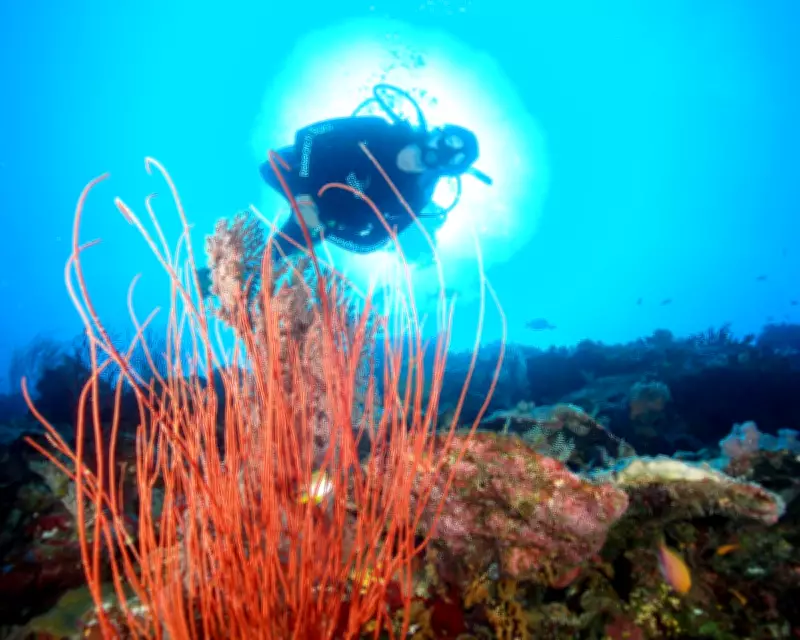
The Coral Sea marine park, described by conservationists as the "Serengeti of the ocean," will be among the first areas reviewed alongside eight parks in the Temperate East network. These regions include Norfolk Island and Lord Howe Island, with management plans expected to be completed by the end of 2027.
Currently, Australia protects 24% of its ocean estate (2.2 million square kilometers) under high-level safeguards. To reach the 30% target, an additional 523,980 square kilometers must be protected through both expansion of existing marine parks and designation of new protected areas.
Balancing Environmental and Economic Interests
Minister Watt maintains that increasing marine sanctuaries can be achieved while protecting both environmental values and economic interests. The review process involves consultation with diverse stakeholders including conservationists, fishers, tourism operators, and representatives from oil, gas, and offshore wind industries.
Fiona Maxwell, national oceans campaign manager at the Pew Charitable Trusts, stressed the importance of this decade-long review opportunity: "We need to make sure a full range of habitats are protected in the face of climate change." She identified canyons, sea mounts, and rocky reefs as particularly underprotected habitats around Australia.
Scientific Perspective on Protection Gaps
Professor Jessica Meeuwig, director of the Marine Futures Lab at the University of Western Australia, noted that only about 9% of Australia's marine park network currently enjoys high-level protection. "There's a tremendous opportunity here to ensure this network is comprehensive, adequate and representative," she stated.
The government aims to complete management plans for all 44 national marine parks by June 2028, with the Coral Sea and Temperate East networks serving as initial priorities in this ambitious ocean conservation initiative.