Australia's Unrelenting Heatwave: Records Shattered Across South-East
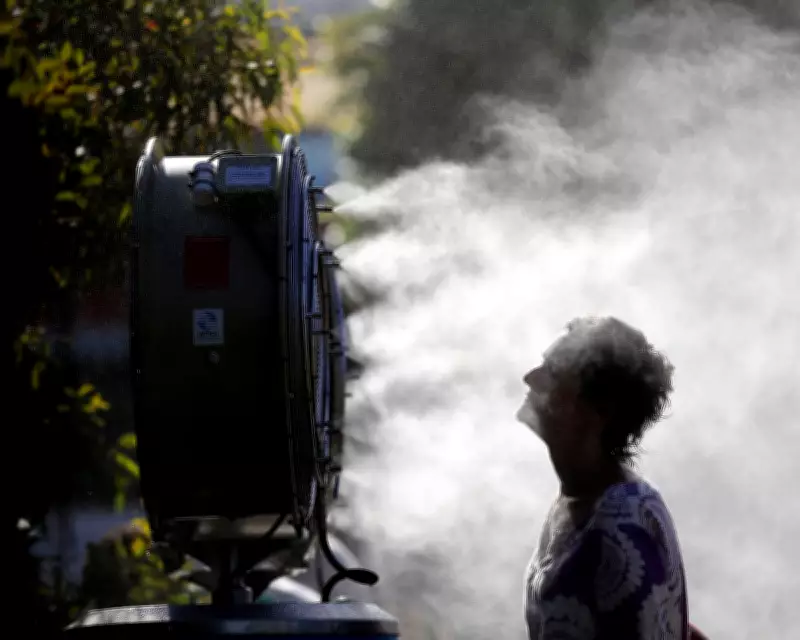
As a tennis fan stands before a mist sprayer at the Australian Open in Melbourne, the struggle to stay cool symbolises a broader crisis gripping the nation. Day and night, there is no relief from what meteorologists describe as one of south-eastern Australia's most significant heatwaves on record.
A Dome of Heat with Nowhere to Go
Heatwaves during an Australian summer might seem commonplace, but the current event is extraordinary. When the remote opal mining town of Andamooka in South Australia's far north hit 50 degrees Celsius on Thursday, it marked only the eighth such occurrence in the country's recorded history. This peak temperature is part of a "dome of heat" that originated in the west before settling over the south-east, where it remains trapped by a blocking high-pressure system in the Tasman Sea and remnants of ex-tropical cyclone Luana off Western Australia.
Dr Simon Grainger, a senior climatologist at the Bureau of Meteorology, emphasises that this heatwave stands out for its intensity, duration, and the sustained period above critical temperature thresholds. He compares it to historic events in January 2009 and January 1939, noting it is among "the most significant we've ever seen" for the region.

Temperature Records Tumble Across the Region
Approximately fifty weather stations, primarily scattered across western New South Wales, western Victoria, and eastern South Australia, have registered their highest-ever temperatures. Victoria set a new state record of 48.9°C in the Mallee towns of Hopetoun and Walpeup, while just over the border in New South Wales, the village of Pooncarie reached 49.7°C, equalling the state's second-highest recorded temperature.
Unprecedented Heat in the Alpine Regions
In a remarkable deviation from the norm, Australia's alpine areas experienced temperatures soaring above 30°C for the first time. The ski town of Falls Creek recorded 30.5°C, and Perisher Valley in New South Wales reached 30.8°C, setting new records for both locations. "Those are pretty remarkable temperatures," observes Dr Grainger, highlighting that these readings at 1,700 metres above sea level exceeded those in Melbourne and Sydney at sea level on the same day.
The Burden of Hot Summer Nights
While daytime extremes capture headlines, the persistently high overnight temperatures pose severe risks. Adelaide endured its hottest night on record, with temperatures dropping only to 34.1°C after a daytime peak of 44.7°C. Dozens of inland towns across South Australia, Victoria, and New South Wales have faced five or more consecutive days above 40°C, with some, like Albury in NSW, expecting the heat to last a week.
Associate Professor Mark Putland, Director of Emergency Medicine at Royal Melbourne Hospital, explains that prolonged heat "becomes really hard to bear, because people's reserves just get worn down." He notes that without nighttime cooling, houses retain heat, denying residents essential relief.
Health Impacts and Hospital Admissions Soar
Extreme heat is Australia's most common cause of weather-related hospitalisations, surpassing all other natural hazards combined. Preliminary data indicates that heat-related admissions to emergency departments in Adelaide have tripled compared to January 2025. Dr Caroline McElnay, Victoria's Chief Health Officer, warns that extreme overnight heat can be dangerous even during sleep, as the body struggles to cool down, increasing the risk of heat stress or heatstroke.
In Melbourne, authorities issued air quality alerts due to smoke from fires in the Otways, advising people to stay indoors.
Sporting Events Adapt to Extreme Conditions
Despite dire forecasts, major sporting events proceeded with adaptations. The Australian Open tennis tournament implemented extreme heat protocols, suspending play on outer courts during the worst days and leading to significant financial losses from reduced attendance. The Tour Down Under cycling event altered its route at the last minute to avoid the forecast 42°C heat and nearby fires near Adelaide.
Meteorologists anticipate the heatwave will finally clear by Sunday, but hotter-than-average conditions are expected to persist into autumn, according to long-range forecasts.