BrewDog's Highland Estate Sold at Minimal Profit After Failed Carbon Neutral Ambitions
The self-styled "punk" beer company BrewDog has sold its Highland estate, Kinrara, for a price that barely exceeds its original purchase cost, despite the inclusion of valuable carbon credits worth millions. This sale comes after the company abandoned its high-profile reforestation plans, which were central to its pledge to achieve carbon neutrality.
Abandoned Forest Project Leads to Financial Setback
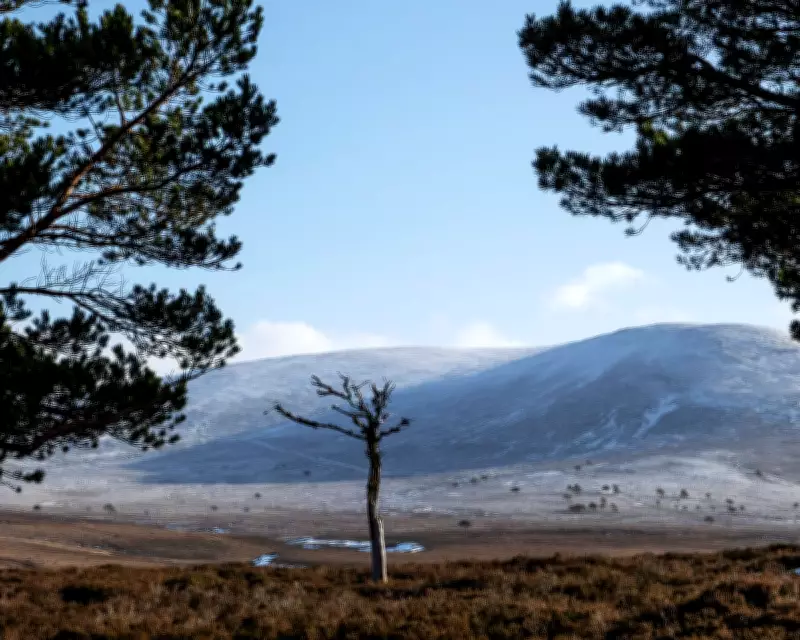
In 2020, BrewDog acquired the Kinrara estate in the Cairngorms National Park for £8.5 million. Co-founder James Watt announced the Lost Forest project, aiming to plant Scotland's "biggest ever forest" to capture tens of millions of tonnes of CO2. However, after Watt was replaced as CEO and the company posted losses of £37 million, these efforts were scrapped. In October of last year, the estate was sold to Oxygen Conservation, a carbon investment firm, for £8.85 million—only £350,000 more than the 2020 price, despite inflation suggesting a value of around £11.3 million today.
Carbon Credits and Confidential Sale Details
Oxygen Conservation utilized a loophole in Scotland's land registration rules to keep the sale price confidential, though records reveal the transaction. Notably, the deal included carbon credits from woodland creation and peatland restoration projects initiated by BrewDog, with public grants covering much of the cost. These credits, known as pending issuance units (PIUs), were valued at least £4.8 million, including 130,000 woodland PIUs worth £3.5 million and 46,500 peatland PIUs worth £1.2 million. Once converted to full carbon credits, these could yield significant profits for Oxygen Conservation, as seen with previous sales at higher prices.

Market Trends and Broader Implications
The Kinrara sale highlights potential stagnation in the market for Highland estates focused on carbon credits. Nearby, the Far Ralia estate, purchased for £7.5 million in 2021 to earn credits from tree planting, has seen its asking price slashed from £12 million to £6.9 million amid falling property values and rising costs. This raises questions about the sustainability of such investments. Land reform advocates, like Josh Doble of Community Land Scotland, criticize these projects as extractive and short-term, arguing that government subsidies should prioritize community-based initiatives for long-term ecological and economic benefits.
Company Silence and Broader Context
BrewDog declined to comment on the sale, which coincides with broader company struggles, including a recent deal where a US firm acquired brewery assets for £33 million, resulting in the loss of 38 pubs and nearly 500 jobs. This underscores the challenges facing the brewer as it navigates financial pressures and shifts in environmental strategy.