Remote Queensland Communities Prepare for Worst Cyclone in Living Memory
Residents across far north Queensland's Cape York region spent Thursday in an urgent race against time, sandbagging properties, stockpiling essential supplies, and securing loose items as Tropical Cyclone Narelle intensified into a dangerous category five system. The storm, forecast to make landfall Friday morning, threatens to become the most severe cyclone to hit these remote communities in decades.
Coen's Eerie Calm Before the Storm
In the landlocked town of Coen, approximately 330 residents experienced what locals described as an "eerily silent" Thursday morning. Sara Watkins, who operates one of only two grocery and fuel shops in the community, reported unusual stillness with no birds audible—a stark contrast to the destructive winds expected within hours.
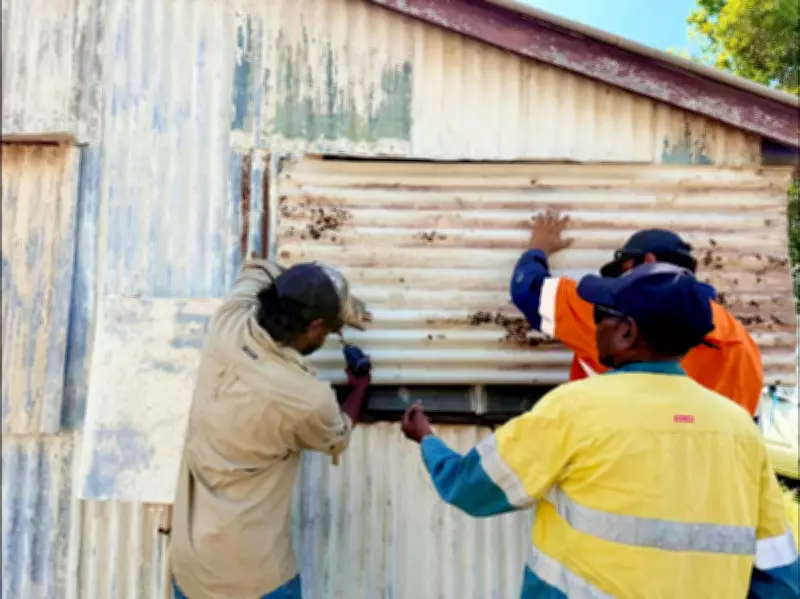
"It's a day that you'd normally spend going fishing," Watkins noted while simultaneously managing multiple preparations. As both a shopkeeper and mechanic, she spent Thursday pulling down signs, sandbagging doorways, selling emergency supplies including gas stoves and canned food, and preparing UHF radio communication systems for when standard networks inevitably fail.

Lucretia Huen, general manager of the Coen Regional Aboriginal Corporation currently in Brisbane, expressed deep concern for her northern community. "They say it's very calm and still. Very eerie. We anticipate that this is the calm before the storm," she reported after checking in with residents.
Structural Vulnerabilities and Community Response
Both Coen and the coastal community of Lockhart River face significant challenges due to their lack of purpose-built cyclone shelters. Many buildings in these areas were constructed before modern cyclone standards, with Lockhart River mayor Wayne Butcher noting that while structures might withstand wind, they remain vulnerable to flying debris.
"The debris is our main concern because buildings and houses can withstand the wind but they can't withstand any debris smashing into it during such an event," Butcher explained. His community of over 700 people, still remembering the destructive four-hour impact of Category 4 Cyclone Trevor in 2019, began preparations Wednesday morning when forecasts first indicated a potential category five system.
Community-led efforts included residents placing all loose items on footpaths for council collection and neighbors opening their homes to anyone needing shelter. "We'll just wait for the weather now and see what mother nature brings us," Butcher stated, acknowledging the community's extensive experience with cyclones while preparing for potentially unprecedented conditions.
Extended Isolation and Infrastructure Concerns
Beyond immediate storm impacts, communities face the prospect of extended isolation. Coen residents anticipate weeks without power, mobile reception, or reliable access to the outside world once Narelle passes. The town's typically transient wet season population has dwindled as many traveled to Cairns or other communities, leaving those remaining to shoulder preparation responsibilities.
In Cooktown, over 250 kilometers southeast of Coen, Coast Guard deputy commander Nick Davidson coordinated harbor evacuations with Thursday morning representing the final window for boats to reach designated safe havens in tidal creeks. "And then you scratch your head and work out whether you are prepared to stay with the boat," Davidson said, noting his personal preference would be "to find a nice solid house to hide in."
Despite the serious preparations, community spirit remains evident. Watkins prepared for post-storm recovery with practical optimism: "I've got a whole bunch of hotdog rolls and sausages. So [when] it's safe, we'll do a sausage sizzle at the shop." This blend of resilience and practicality characterizes the response across Cape York as residents complete final preparations for what meteorologists warn could be a historic weather event.