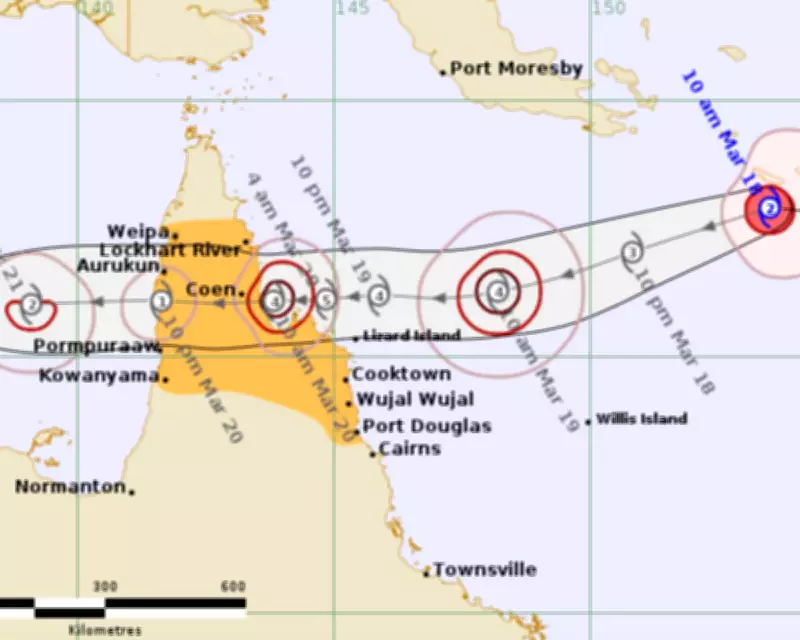
Tropical Cyclone Narelle has made landfall along the coast of North Queensland, unleashing powerful winds and torrential rains that have prompted widespread emergency measures. The cyclone, which intensified rapidly before hitting, is causing significant disruption to communities in the region, with reports of property damage and power outages already emerging.
Emergency Response and Evacuation Orders
Authorities have issued mandatory evacuation orders for several low-lying areas in North Queensland, urging residents to seek higher ground immediately. Emergency services are on high alert, coordinating rescue operations and setting up temporary shelters for those displaced by the storm. The Bureau of Meteorology has warned that the cyclone could bring sustained winds of up to 150 kilometers per hour, posing a severe threat to life and infrastructure.
Impact on Local Communities
Local communities are bracing for the worst as Tropical Cyclone Narelle continues to move inland. Schools and businesses have been closed, and transportation services, including flights and ferries, have been suspended until further notice. Residents are advised to stay indoors, avoid unnecessary travel, and follow official updates from emergency broadcast channels.

In addition to the immediate dangers, there are concerns about flooding and landslides due to the heavy rainfall associated with the cyclone. Emergency teams are monitoring river levels and coastal areas closely, ready to respond to any incidents as they arise.
Long-Term Recovery Efforts
As the cyclone passes, attention will shift to recovery efforts, including damage assessment and restoration of essential services. Government agencies and non-profit organizations are preparing to provide aid to affected families, focusing on rebuilding homes and infrastructure. This event underscores the importance of disaster preparedness in cyclone-prone regions like North Queensland.