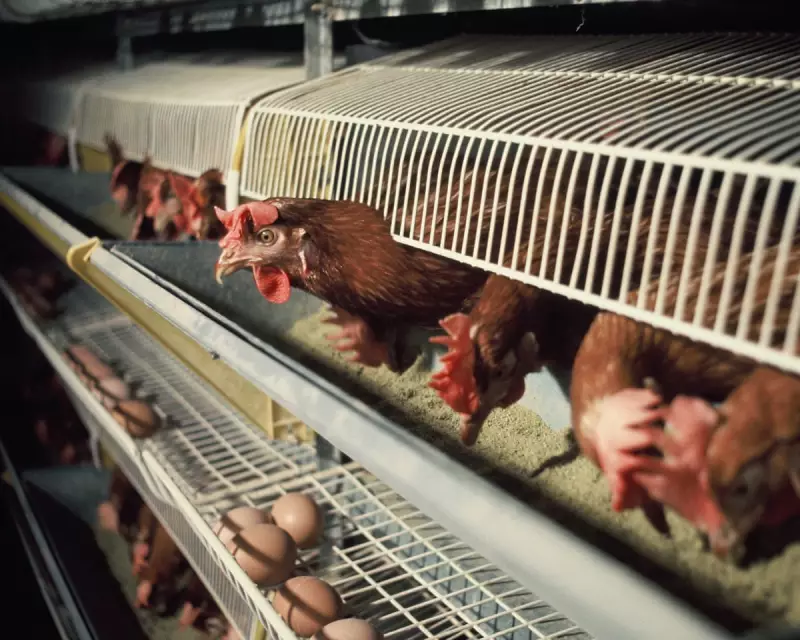
The UK government has unveiled a landmark policy that will see the use of conventional battery cages for laying hens and restrictive farrowing crates for sows outlawed in England. The move, hailed as a significant step forward for animal welfare, is scheduled to come into full effect by the year 2027.
A New Era for Farm Animal Welfare
This decisive action follows years of sustained campaigning by animal rights groups and increasing public concern over intensive farming practices. The legislation specifically targets two of the most contentious systems in livestock production. For hens, it spells the end of the cramped battery cage, a system long criticised for severely restricting natural behaviours like perching, nesting, and dust-bathing.
For pigs, the ban will eliminate the farrowing crate, a metal enclosure that confines a mother sow so tightly she cannot turn around during the weeks surrounding the birth of her piglets. The government's announcement, made on Monday, positions England as taking a leading role in Europe on this issue, with the new standards set to exceed many existing EU regulations.

Implementation Timeline and Industry Response
The government has outlined a clear, albeit challenging, timeline for the agricultural sector to adapt. The complete prohibition on both hen cages and farrowing crates is set for 2027. This provides farmers and producers with a multi-year transition period to invest in and retrofit their facilities with more humane alternative systems.
These alternatives include enriched colony cages or barn systems for poultry, and free-farrowing or open-pen systems for sows, which allow for greater movement and maternal expression. While welcomed by welfare organisations, the move is expected to generate significant debate within the farming industry. Key concerns will centre on the substantial capital costs of overhauling infrastructure and the potential impact on production costs and consumer prices for eggs and pork.
Broader Implications and Future Challenges
This policy represents one of the most substantial shifts in farm animal welfare law in a generation. It delivers on long-standing manifesto commitments from the governing party and creates a new baseline for ethical food production in England. The decision is likely to increase scrutiny on other livestock practices and may influence policy discussions in Scotland, Wales, and Northern Ireland, where animal welfare is a devolved matter.
Looking ahead, the success of the ban will hinge on effective enforcement, continued support for farmers during the transition, and maintaining a level playing field with imports to ensure UK producers are not undercut by cheaper products from countries with lower welfare standards. Nevertheless, for millions of animals, the legislation promises a tangible improvement in their quality of life, marking a historic victory for the animal welfare movement.