

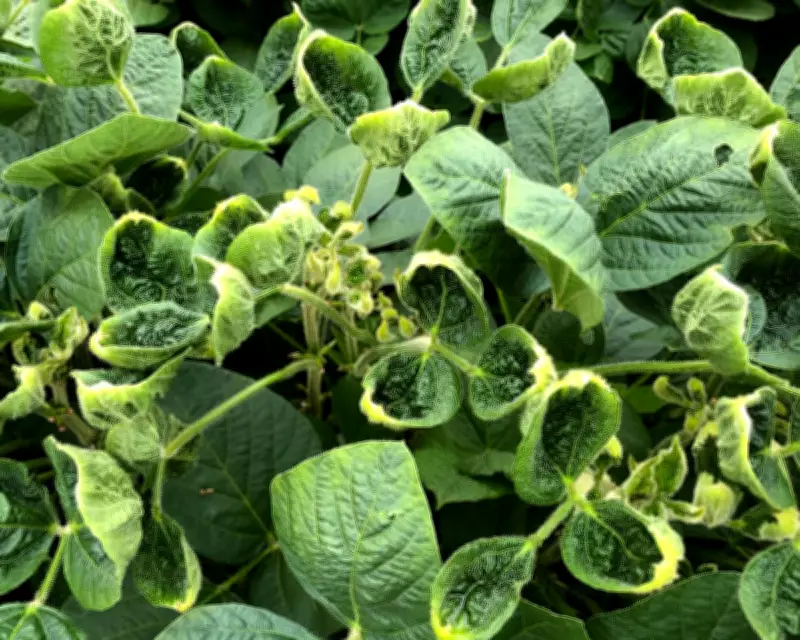
The US Environmental Protection Agency (EPA) has announced the reapproval of the controversial weedkiller dicamba, a decision that is set to reignite debates over its environmental and health implications. This move comes after extensive review and public consultation, highlighting the agency's ongoing efforts to balance agricultural needs with ecological safety.
Background and Regulatory History
Dicamba, a herbicide widely used in agriculture to control weeds, has been at the centre of numerous legal battles and environmental concerns. Previous approvals faced challenges due to reports of crop damage and potential risks to non-target plants and wildlife. The EPA's latest decision follows a comprehensive reassessment of scientific data and stakeholder feedback, aiming to address past issues while supporting farmers.
Key Conditions and Restrictions
In reapproving dicamba, the EPA has imposed stricter conditions to mitigate risks. These include revised application guidelines, buffer zones to protect sensitive areas, and enhanced training requirements for users. The agency emphasises that these measures are designed to reduce drift and unintended exposure, though critics argue they may not be sufficient.

Reactions from Stakeholders
The reapproval has elicited mixed responses. Agricultural groups welcome the decision, citing dicamba's effectiveness in managing resistant weeds and boosting crop yields. Conversely, environmental advocates and some scientists express concern over potential long-term effects on biodiversity and human health, calling for more rigorous oversight and alternative solutions.
Implications for Farming and Environment
This reapproval is expected to impact farming practices significantly, particularly in regions reliant on dicamba for weed control. Proponents highlight its role in sustainable agriculture by reducing the need for tillage and other herbicides. However, opponents warn of continued ecological harm, including threats to pollinators and water sources, urging a shift towards integrated pest management.
Future Outlook and Monitoring
The EPA has committed to ongoing monitoring and review of dicamba's use, with plans to adjust regulations based on new evidence. This approach aims to ensure that the benefits outweigh the risks, but it leaves room for further controversy as implementation unfolds. Stakeholders are encouraged to report any adverse effects to inform future policy decisions.
In summary, the EPA's reapproval of dicamba marks a pivotal moment in agricultural policy, reflecting the complex interplay between economic interests and environmental stewardship. As usage resumes under new guidelines, the outcomes will be closely watched by all parties involved.






