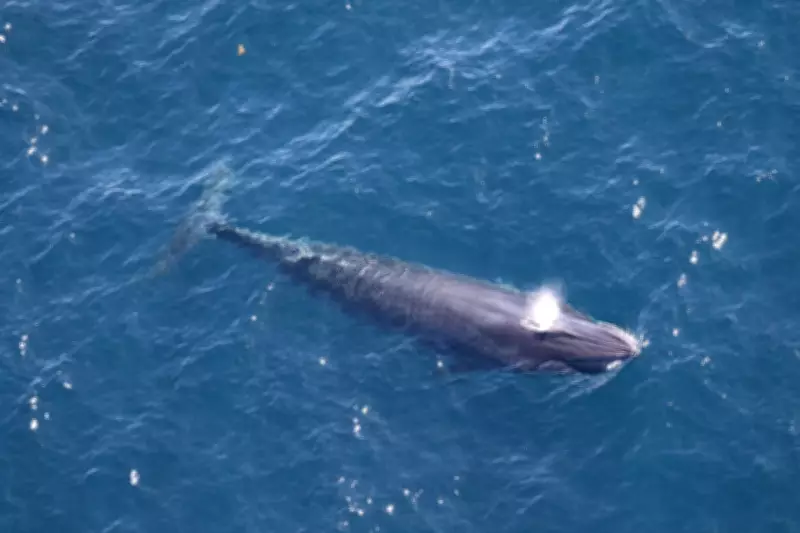
Gulf of Mexico Drilling Endangers Protected Marine Life
Recent scientific findings have exposed a severe environmental crisis unfolding in the Gulf of Mexico, where extensive offshore drilling operations are posing a critical threat to numerous endangered marine species. The study, conducted by a coalition of marine biologists and environmental researchers, highlights the escalating risks to whales, sea turtles, and other protected wildlife due to industrial activities in this ecologically sensitive region.
Industrial Expansion and Its Consequences
The Gulf of Mexico has long been a hub for oil and gas extraction, with drilling platforms dotting its waters. However, the rapid expansion of these operations in recent years has intensified the pressure on marine ecosystems. Researchers report that noise pollution from seismic surveys and drilling machinery disrupts the communication and navigation of cetaceans, including the critically endangered Rice's whale, which relies on sound for survival.
Additionally, chemical discharges and accidental oil spills contaminate the habitat, affecting species like the Kemp's ridley sea turtle, one of the world's most endangered marine turtles. The study documents increased mortality rates and reproductive failures among these animals, directly linked to pollution from drilling sites.

Regulatory Gaps and Conservation Challenges
Despite existing protections under laws such as the Endangered Species Act, enforcement has been inconsistent, allowing drilling companies to operate with minimal oversight. The research points to significant gaps in regulatory frameworks that fail to account for cumulative impacts on marine biodiversity. Conservationists argue that current measures are insufficient to mitigate the long-term damage caused by continuous industrial activity.
Environmental groups are now urging federal agencies to implement stricter regulations, including mandatory buffer zones around critical habitats and enhanced monitoring of drilling operations. They emphasize that without immediate action, the Gulf's unique marine life could face irreversible decline, with cascading effects on the broader ecosystem.
Future Implications and Global Context
The situation in the Gulf of Mexico serves as a stark reminder of the global conflict between energy development and environmental preservation. As demand for fossil fuels persists, similar challenges are emerging in other marine regions worldwide. Experts warn that balancing economic interests with conservation needs requires innovative solutions, such as transitioning to renewable energy sources and adopting more sustainable drilling technologies.
In conclusion, the study underscores the urgent need for a comprehensive approach to protect endangered species in the Gulf of Mexico. By addressing regulatory shortcomings and promoting conservation efforts, stakeholders can work towards safeguarding this vital marine environment for future generations.