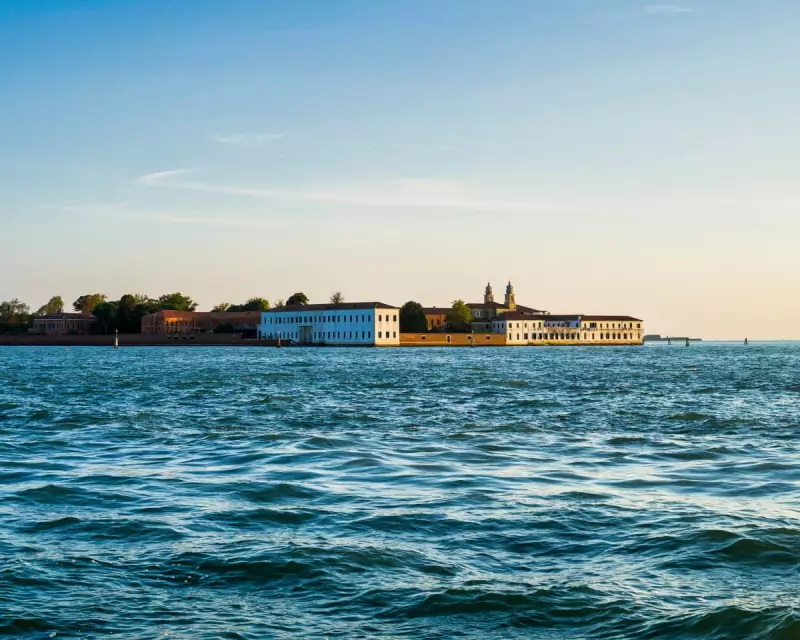
On the brackish fringes of the Venice lagoon, amidst the hum of cicadas and farm vehicles, a silvery-green plant is staging a quiet comeback. Sea fennel, once dismissed as a mere weed, is now at the heart of a radical agricultural rethink forced by a changing climate.
From Forgotten Weeds to Climate Champions
This plant belongs to a remarkable group known as halophytes – species that thrive in saltwater. Long found in marginal spaces like saltmarshes and coastlines, they are now being rediscovered as rising seas and changing weather patterns salinise precious farmland. The island of Sant’Erasmo, once known as Venice's breadbasket, faces a challenge becoming common worldwide. A combination of rising sea levels, higher temperatures, and decreased rainfall is increasing soil salt concentration.
Traditional crops like tomatoes can only survive up to a salinity of about 1.2%, roughly one-third that of seawater. The United Nations Food and Agriculture Organization estimates 10% of the world's land is already affected by salinity, a figure that could rise to between 24% and 32% due to the climate crisis.

Scientific Innovation and Culinary Renaissance
"I started to become fascinated by these plants more than five years ago. They're a bit of a miracle," says Filippo Grassi, an environmental scientist at the Tidal Garden, a research agency exploring the edible potential of halophytes for cultural adaptation to climate change in the Venice lagoon. The organisation works with six or seven species, including marsh samphire, monk's beard, and purslane.
While these plants have been foraged for centuries – Tudor records note samphire foraging deaths in England in the late 1500s – they were never serious commercial crops. "For farmers it's still seen as a weed, or even worse, as a warning sign," explains researcher Lodovica Guarnieri. The appearance of marsh samphire in a field signals dangerously high salinity for conventional produce.
Scientists are finding innovative uses. At the University of Pisa, Associate Professor Antonella Castagna and her team discovered that intercropping and rotating tomatoes with glasswort, a halophyte, led to more nutritious and bountiful harvests. They propose planting these salt-loving species on fallow land bordering fields to enrich soil without sacrificing cash-crop space.
Growing Demand Through Gastronomy
To overcome the "weed" stigma, the Tidal Garden is recruiting chefs, artists, and poets to cultivate awareness and commercial demand. "Basically, spike people," says Grassi. "We use them as ingredients in food that people already know, such as pizza. We bring them into the culinary language."
This strategy is bearing fruit. Venice's Gelateria Alaska has created a samphire sorbet, and chef Donato Ascani of the two-Michelin-starred Glam Enrico Bartolini is a vocal advocate. "Wild herbs – the soil where they're grown – our vegetables have a particular savoury taste that's hard to find," Ascani says, connecting his cuisine directly to the lagoon's changing ecosystem. He sees adaptation as essential: "We'll go with whatever [nature] has to offer."
The work extends beyond Italy. The Tidal Garden collaborates with AEDS in Tunisia, where even higher soil salinity is prompting exploration of halophytes for both human consumption and animal feed, adapting the approach to local culinary traditions.
A Model for a Saline Future
The story unfolding in the Venice lagoon offers a potential blueprint for coastal communities globally. By embracing, rather than battling, the increasing salinity of their soils, farmers and scientists are unlocking the potential of resilient, forgotten flora. Halophytes represent not just a novel ingredient, but a critical tool for food security and agricultural adaptation in the face of relentless climate change. As the waters rise, these salt-loving plants may well hold the key to preserving the vital connection between land, food, and culture.