The Fight for Environmental Justice in Ogoniland
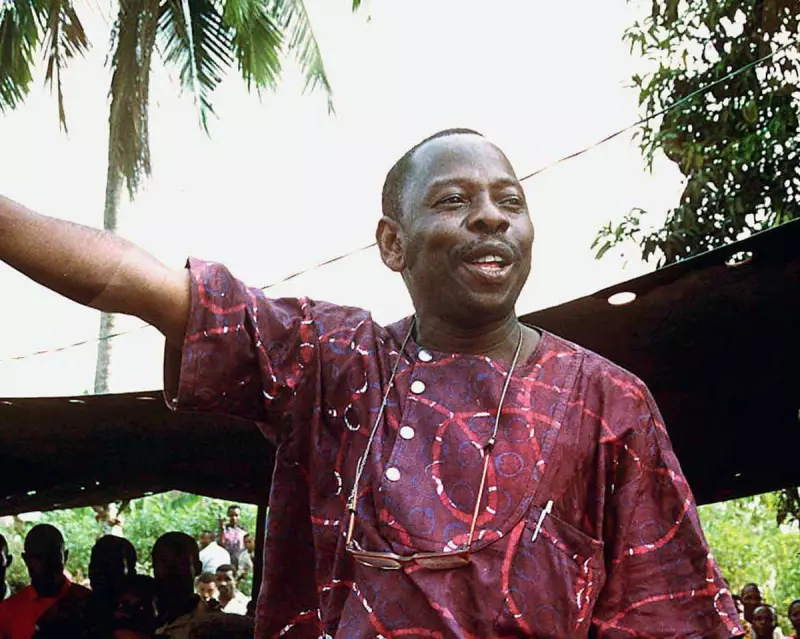
Three decades have passed since the dramatic events that shook Nigeria's oil-rich Niger Delta region, where environmental activist Ken Saro-Wiwa led thousands of Ogoni people in peaceful protests against Shell Oil's operations. Their determined campaigning eventually forced the multinational corporation to withdraw from Ogoniland in 1993, marking a significant victory for environmental activism in Africa.
The story took a tragic turn in 1995 when Saro-Wiwa and eight colleagues, collectively known as the Ogoni Nine, were executed by hanging after a military dictatorship convicted them on fabricated charges of treason and incitement to murder. The international community widely condemned their trial as a sham, recognising their true crime as speaking out against the environmental degradation caused by the oil industry.
A Long-Awaited Pardon and Unfinished Business
Earlier this year, President Bola Tinubu's government granted a pardon to the Ogoni Nine, a move welcomed by families but seen as insufficient. Noo Saro-Wiwa, the activist's daughter, argues that a pardon implies guilt whereas these men were innocent. She emphasises that true justice would require full exoneration, something successive Nigerian governments have refused to grant.

The legacy of her father's activism continues to resonate. Beyond Shell's withdrawal, the movement led to the creation of the Hydrocarbon Pollution Remediation Project (Hyprep), tasked with cleaning up Ogoniland's pollution, though with mixed results. Shell has also been held accountable for some environmental damage, being ordered to pay compensation for oil spills including the 2008 Bodo disaster.
This year brought another significant development when Shell divested from the Niger Delta, selling its onshore leases to a local consortium. This move raises questions about liability for past oil spills and represents another chapter in the complex relationship between multinational oil companies and the communities affected by their operations.
Renewable Energy: The Path Forward
Despite these developments, pollution levels remain unacceptably high in the region. Militancy, pipeline sabotage, and illegal refining have compounded environmental damage. Economic pressures have led some Ogoni community members to call for oil extraction to resume, but Noo Saro-Wiwa views this as betraying her father's legacy.
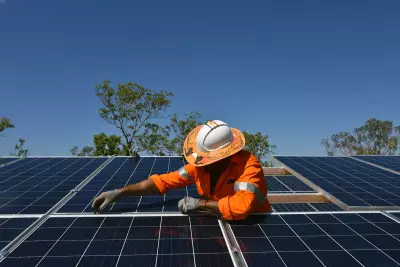
She points to renewable energy as the solution, having witnessed successful projects firsthand. A solar power plant in Umuolu now enables a remote riverine community to rely entirely on clean energy without the environmental damage and social tensions associated with oil operations.
Conservation efforts also show promise, with projects like the SW/Niger Delta Forest Project protecting biodiversity including the endangered Niger Delta red colobus monkey. Education plays a crucial role in these initiatives, teaching communities to protect rather than exploit their natural resources.
Through the upcoming relaunch of the Ken Saro-Wiwa Foundation, his daughter aims to boost education and bring solar energy to Ogoniland, gradually transforming it into a place of non-oil entrepreneurship, agriculture, and natural beauty - the true legacy her father envisioned.