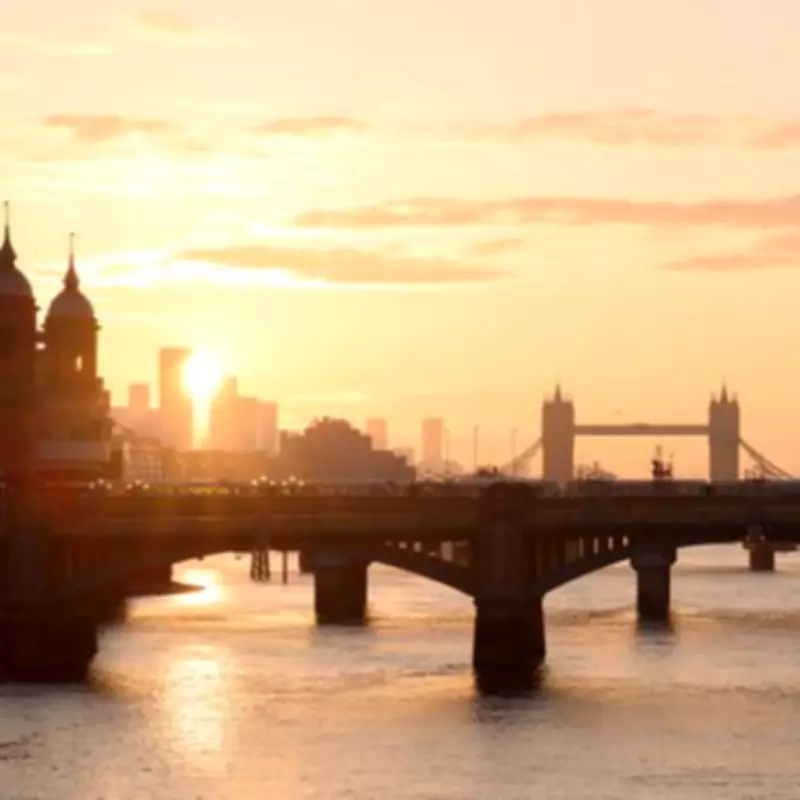
London's First 6pm Sunset of 2026 Arrives Next Week
The long, dark winter days are finally receding as London prepares to welcome its first sunset after 6pm next week. This significant milestone signals the gradual shift toward brighter evenings across the capital, with the official start of British Summer Time following later this month.
Sunset Times Extend Across the Capital
According to data from timeanddate.com, London will witness its initial post-6pm sunset on Friday, March 13, precisely at 6:01pm. This marks a notable transition from today's sunset at 5:49pm on March 6. Once this threshold is crossed, Londoners will not experience another sunset before 6pm until October 19, when the sun will set at 5:58pm.
The lengthening days have been steadily progressing since the winter solstice, bringing warmer and brighter afternoons throughout early March. While the clocks will not officially spring forward until March 29, the natural extension of daylight hours is already becoming apparent.

UK Cities Experience Varied Sunset Milestones
London is not alone in celebrating longer evenings. Various cities across the United Kingdom are reaching their own 6pm sunset milestones at different times this month:
- March 6: Glasgow and Cardiff
- March 8: Edinburgh
- March 9: Manchester and Birmingham
- March 10: Aberdeen
- March 13: London
This staggered progression highlights how geographic location influences daylight patterns as the nation emerges from winter's grasp.
Daylight Saving Time Approaches
The clocks will officially spring forward from 1am to 2am on Sunday, March 29, initiating British Summer Time. This annual adjustment will remain in effect until Sunday, October 25, providing extended evening daylight for nearly seven months.
Historical Context of Time Changes
The concept of daylight saving time traces back to Benjamin Franklin, though it lacks scientific foundation. The practice was implemented to maximize daylight hours by shifting sunset to later times. The United Kingdom first adopted daylight saving through the Summer Time Act of 1916 during World War I to conserve coal resources.
Subsequent adjustments included British Double Summertime from 1939 to 1945 to boost wartime productivity and British Standard Time from 1968 to 1971 under Harold Wilson's government. Today, only about one-third of the world's countries observe daylight saving time, primarily concentrated in Europe and North America.
As London approaches this seasonal turning point, residents can anticipate progressively longer days filled with natural light, culminating in the official start of British Summer Time later this month.