

Toxic PFAS Residue Identified on 37% of California Produce, New Analysis Finds
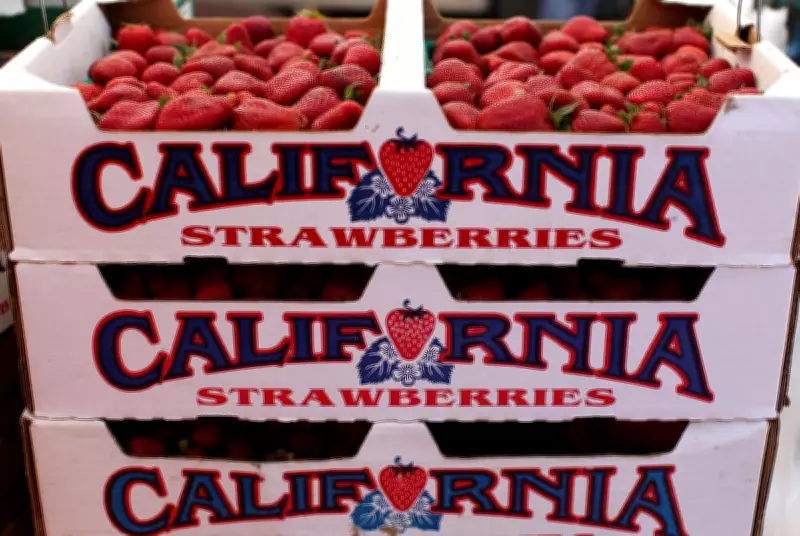
A groundbreaking analysis has uncovered that 37% of conventional produce grown in California contains residues of toxic PFAS, commonly known as "forever chemicals." The study, conducted by the Environmental Working Group (EWG), highlights that peaches, strawberries, and grapes are almost always contaminated, raising significant health concerns, especially for children who frequently consume these fruits.
Alarming Contamination Levels in Popular Fruits
The EWG analyzed California Department of Pesticide Regulation records, examining 930 samples across 78 types of non-organic fruits and vegetables. The results showed that 348 samples, or 37%, contained PFAS residues. Specifically, about 90% of peaches, plums, and nectarines were contaminated, while 80% of strawberries and grapes tested positive. Bernadette Del Chiaro, senior vice-president of EWG's California operations, emphasized the shock factor for consumers, stating, "Most consumers don’t expect to find PFAS 'forever chemicals' on their strawberries – I think this information is shocking to most people."
Health Risks and Environmental Impact
PFAS are a class of over 16,000 compounds used in products for water, stain, and heat resistance. They are termed "forever chemicals" because they do not break down naturally, accumulating in the environment and human bodies. Linked to serious health issues such as cancer, kidney disease, liver problems, immune disorders, and birth defects, PFAS pose a heightened risk to children due to their developing systems. The chemicals also persist in the environment, polluting drinking water supplies; for instance, Fresno has sued PFAS makers over groundwater contamination exceeding federal limits by 600%, affecting over 120,000 homes.

Legislative Response and Industry Pushback
This analysis coincides with the introduction of California legislation aiming to ban PFAS from pesticides by 2035. The bill, proposed by California Assemblymember Nick Schultz, would also require warning labels and restrict PFAS use in the interim. Schultz stated, "We are providing a clear, responsible road map for our farmers to transition away from these persistent chemicals while re-establishing California as a global leader in food safety." However, the pesticide industry is expected to mount strong opposition. Similar bans have passed in Maine and Minnesota, but California Governor Gavin Newsom, a potential 2028 Democratic presidential candidate, has previously vetoed PFAS-related bills under industry pressure, leaving the outcome uncertain.
Research Gaps and Regulatory Blind Spots
Varun Subramaniam, a co-author of the EWG report, noted that PFAS pesticides are a relatively new area of study, with limited data beyond industry sources. He highlighted regulatory gaps, such as the EPA only assessing risks from single pesticides, whereas consumers are often exposed to combinations that can be more harmful. "We know people are exposed to cocktails of pesticides and literature shows that these combinations can often be more harmful, so that’s a blind spot for the EPA at the moment," Subramaniam explained. The proposed legislation would address this by banning PFAS pesticides already prohibited in the EU by 2030 and placing a moratorium on new approvals.
In summary, this analysis sheds light on widespread PFAS contamination in California produce, driven by pesticide use, and underscores the urgent need for regulatory action to protect public health and the environment.






