'Environmental Catastrophe' Unfolds on Sussex Coast
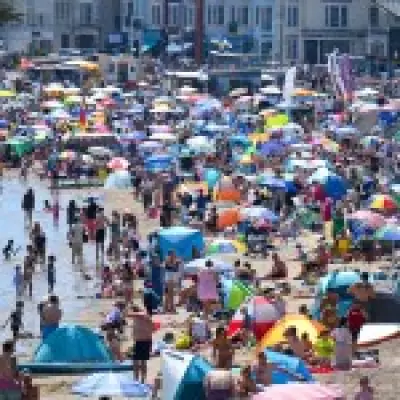
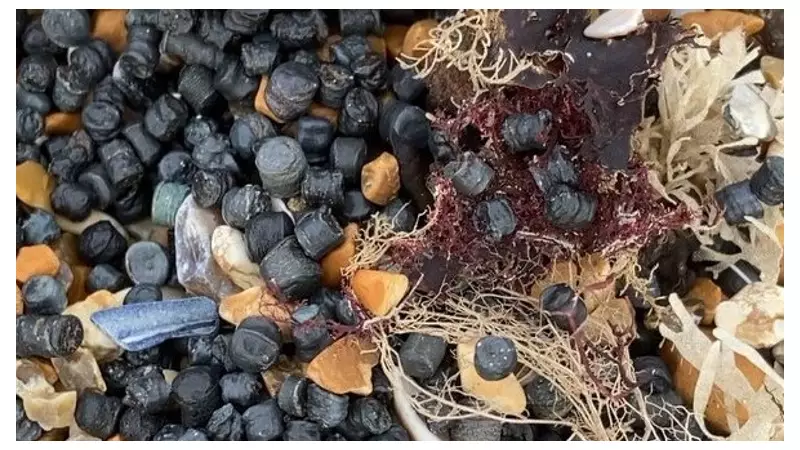
A major environmental crisis has struck the picturesque Camber Sands in East Sussex after millions of plastic beads washed ashore, creating what local MP Helena Dollimore has described as an "environmental catastrophe."
The dark grey or black "bio-beads" have formed a continuous pollution line stretching along the entire two-mile coastline, becoming embedded in dense seaweed and sand. The scale of contamination is so severe that clean-up crews face what one charity calls an "impossible task."
Investigation Points to Water Treatment Plants
Helena Dollimore, Labour MP for Hastings and Rye, has taken immediate action by writing to the head of Southern Water about the incident. In her correspondence, she highlighted that these plastic beads are "commonly used in wastewater plants locally" and stated she is "aware of no reports of bio-bead spills by ships in the Channel."

Southern Water has confirmed it is working closely with Rother District Council and the Environment Agency to investigate the source of the plastic beads. A spokesperson stated: "We are working closely with the Environment Agency and Rother District Council to investigate the source of plastic beads which have washed up on Camber Beach."
The water company has conducted water quality sampling that showed no impact to environmental water quality, though the visual pollution remains extensive.
Ecological Emergency in Protected Site
The timing and location of this incident are particularly concerning given Camber Sands' protected status. The area represents one of the few sand dune systems on the south coast, with a large section of the western end designated as a Site of Special Scientific Interest (SSSI) and the remainder classified as a Site of Nature Conservation Importance (SNCI).
Adding to the ecological concerns, Ms Dollimore reported that a "higher than usual number of dead seals and harbour porpoises have been washing up this week," though the direct connection to the bead pollution remains under investigation.
Volunteers, coastal officers, and charities including Strandliners have mobilised to address what they describe as a "race against time" to clean up the plastic beads before they cause further environmental damage.
Massive Clean-Up Operation Underway
The clean-up effort has seen innovative approaches, with Strandliners charity reporting that a "giant hoovering machine" had been brought in to assist with the massive task. The charity is asking local volunteers to bring long rakes, dustpans, and brushes to help with the manual removal.
Rother District Council is leading the beach clean-up operation, employing specialists with suction equipment vehicles to remove the tiny plastic beads. The council has contractors actively working on the clean-up, which is currently underway.
An Environment Agency spokesperson confirmed: "We are aware that a large number of plastic nurdles have washed up along a stretch of coastline in East Sussex which includes Camber Sands. We are providing advice and guidance to Rother District Council."
The charity Strandliners has emphasised that more beaches beyond Hastings and Camber Sands need to be checked for similar contamination, suggesting the problem might be more widespread than initially thought.
As the investigation continues and clean-up efforts intensify, the incident at Camber Sands serves as a stark reminder of the vulnerability of Britain's coastal ecosystems to plastic pollution events.