Environmental Catastrophe Unfolds on Sussex Coast
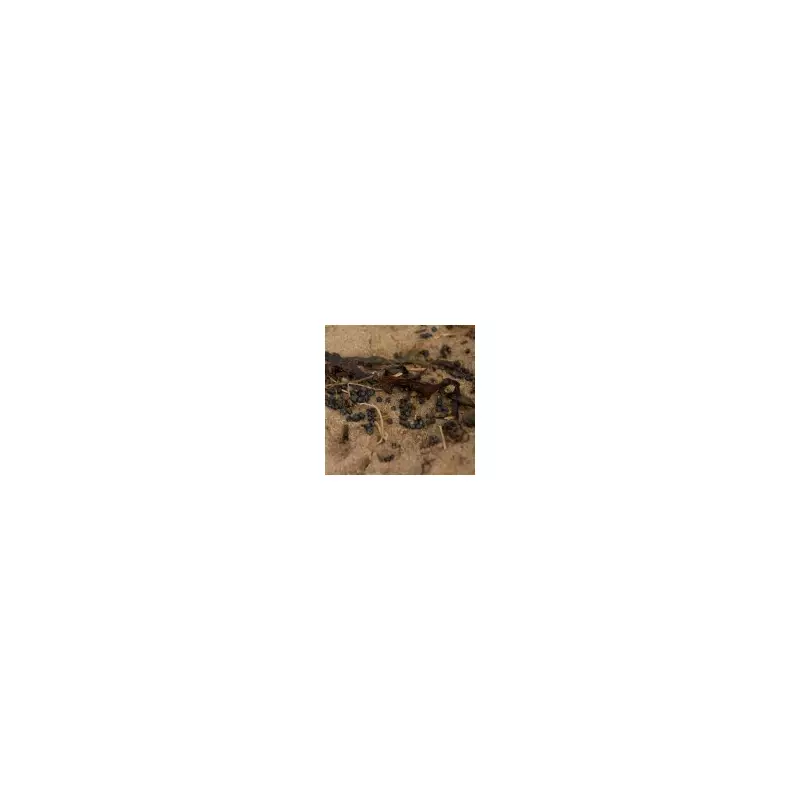
A major environmental incident is unfolding on the East Sussex coast after hundreds of thousands of plastic bio-beads washed up on the renowned Camber Sands beach. The spill, described as catastrophic by local environmental groups, poses a severe risk to wildlife and visiting pets, with dog walkers being urgently warned about the potential for their animals to choke on or be poisoned by the pellets.
MP Sounds Alarm on Severe Pollution
Helena Dollimore, the MP for Hastings and Rye, has taken direct action by writing to the head of Southern Water after witnessing the scale of the pollution firsthand. In her letter, she highlighted that the bio-beads, which are commonly used in local wastewater plants to filter contaminants from sewage, had formed a continuous line along the entire two-mile stretch of coastline.
Ms Dollimore stated, ‘The scale of pollution is severe. A continuous line of bio-beads stretches along the entire two-mile coastline, embedded in dense seaweed and sand.’ She also expressed deep concern over reports from coastal officers about a higher-than-usual number of dead seals and harbour porpoises washing ashore, urging an investigation into a potential connection to the spill.

Race Against Time for Clean-Up Operation
Local volunteers, coastal officers, and two charities—Strandliners and Nurdle—are now engaged in a race against time to manually remove as many of the plastic pellets as possible from the beach. The clean-up is expected to be mostly completed by Monday, but the environmental impact could be long-lasting.
Beverley Coombes from Strandliners, a not-for-profit organisation specialising in pollution monitoring, confirmed this is the worst incident of its kind they have ever recorded. ‘Birds and marine animals easily mistake these toxic plastic pellets for food,’ she explained. ‘Once ingested, it is difficult for them to expel the pellets, and they may either die of starvation or from the cumulative effects of the toxins they contain.’
While the exact source of the pellets remains unknown, Southern Water has stated it is working closely with the local council and the Environment Agency to investigate. In the meantime, Rother District Council has issued official advice, urging dog owners to keep their pets under careful control on the beach to prevent them from swallowing the hazardous beads, which can cause serious internal blockages and injuries.