

Quapaw Nation Pioneers Tribal-Led Superfund Cleanup in Oklahoma
In a landmark environmental achievement, the Quapaw Nation in Oklahoma has emerged as the sole Native American community in the United States to undertake and manage the cleanup of one of the nation's most severely contaminated sites. This historic effort, centered on the Tar Creek Superfund area, has transformed toxic land ravaged by decades of mining into productive agricultural fields and grazing pastures.
From Toxic Waste to Fertile Ground
The journey began in the late 1800s when the US government allocated portions of the Quapaw Nation's 200-acre Laue grassland to tribal citizens like Charley Quapaw Blackhawk, as part of a policy to privatize Native lands. However, for over a century, this area lay barren, buried under towering chat piles—toxic rock waste from lead and zinc mining in the Tri-State Mining District, which operated from 1891 to the 1970s. By 1983, the Environmental Protection Agency designated nearly 40 square miles, encompassing most of the Quapaw Nation, as the Tar Creek Superfund site, marking it as one of the country's worst environmental disasters.
Mining activities left deep scars: chat piles laced with lead and cadmium smothered the land, acidic mine water turned Tar Creek a rusty orange, and underground tunnel collapses posed hazards. A 1994 study revealed that 34% of Native American children in the area had dangerously high blood lead levels, underscoring the urgent need for remediation.

Taking Control of Cleanup Efforts
After years of stalled federal cleanup projects, the Quapaw Nation seized control in the early 2000s. Tribal leaders, frustrated by contractors who left sites half-cleared or stripped valuable topsoil, expelled external teams and initiated their own remediation. Chris Roper, then director of construction and agriculture, recalled the tribe's decisive action: "The tribe said: 'You're no longer welcome on Quapaw land. Get your stuff and get off our reservation.'" Roper and his team began clearing chat piles, restoring topsoil, and billing the EPA for expenses, laying the groundwork for a tribal-led model.
In 2013, the Quapaw Nation secured a $2 million EPA contract to clean up the Catholic 40 site, named after a former boarding school. Since then, the tribe has handled all remediation, using its own equipment and employees to remove toxic rock. Larger stones are sold for roadwork, where asphalt safely contains lead, while the rest is deposited in a repository for eventual encapsulation. This initiative has created nearly 100 jobs, with almost half filled by Quapaw citizens, fostering economic growth alongside environmental recovery.
Agricultural Revival and Cultural Identity
The cleanup has enabled a resurgence of agriculture, central to Quapaw identity and independence. Historically, the Quapaw cultivated vast fields of corn, beans, and other crops in the Mississippi Valley, with a gendered division of labor that challenged Anglo-American settlers' norms. Today, restored lands like the Laue support green fields of oats and rotational grazing for 400 cattle, managed by the tribe's agriculture office.
Larry Kropp, a Quapaw citizen in his late 70s, reflects on the transformation: "It makes him happy to see the land finally cleared and used to feed cattle." He envisions the return of the "waves of grass" once compared to an ocean, symbolizing the land's renewal. The tribe's agricultural division, which includes row crops like corn and soybeans, aims for profitability, complementing revenue from casinos and resorts.
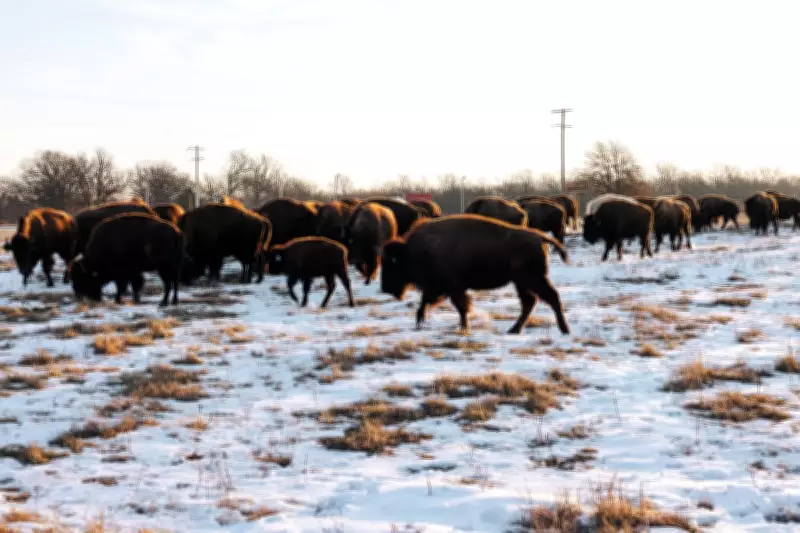
Beyond economics, agriculture embodies sustenance and symbolism. The Quapaw's bison herd near the Downstream Casino Resort, along with greenhouses growing traditional medicines and a tribal meat-processing plant—the first of its kind—ensures food sovereignty and protein supply. Michelle Bowden, food sovereignty director, emphasizes that agriculture means identity and independence, echoing historical practices disrupted by mining and federal policies.

Challenges and Future Prospects
Despite progress, challenges persist. Mitch Albright, current director of agriculture, navigates soil health issues on sites like the Bird Dog, where poor soil quality may limit crop yields. He notes, "It didn't have that dark brown, rich color like good topsoil has," but remains optimistic about alternatives such as native grasses or hunting grounds. Grazing cattle can enrich soil through manure, though shade limitations in Oklahoma's summers pose hurdles.
The tribe leases remediated land to farmers for row cropping, sharing costs and profits, with the goal of making the acreage productive. Albright acknowledges that not all uses will generate revenue but stresses benefits to the tribe, whether through agriculture, wildlife habitats, or community resources. The cleanup process, ongoing for 40 years and expected to continue for decades, represents a long-term commitment to environmental justice and self-determination.
A Model for Environmental Stewardship
The Quapaw Nation's success in managing the Tar Creek Superfund cleanup sets a precedent for tribal-led environmental restoration. By reclaiming contaminated land, the tribe has not only revived agriculture but also strengthened cultural resilience and economic independence. As Roper observed, "We don't want to ever leave a site where it's just a wasteland." This ethos drives the Quapaw to find productive uses for every acre, ensuring that the land they were forced into now thrives on their own terms.
Through perseverance and innovation, the Quapaw Nation demonstrates how communities can overcome environmental degradation, turning toxic legacies into opportunities for growth and renewal.





