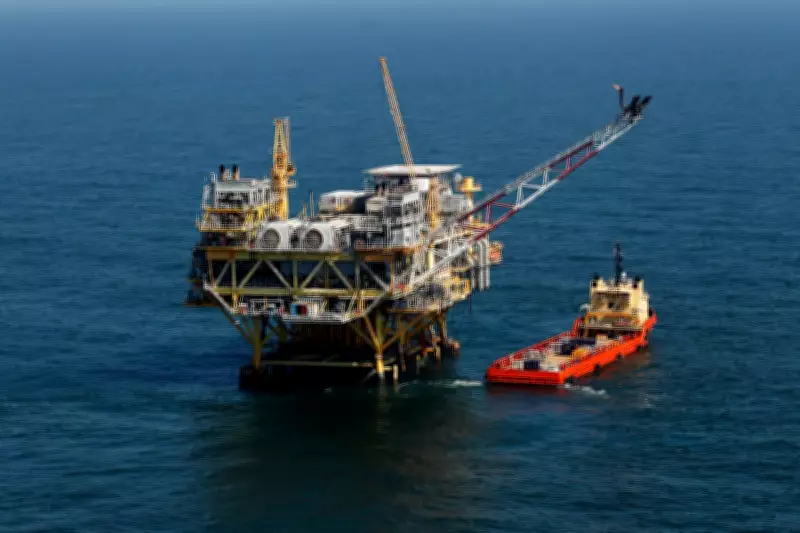
In a controversial move, President Donald Trump is mobilizing a rarely used committee, colloquially known as the "God squad," to revoke protections for endangered species in the Gulf of Mexico. The administration claims this action is necessary for national security, aiming to expand oil and gas industry operations in the region. If successful, this could lead to the extinction of dozens of protected species, including Rice's whales, whooping cranes, and sea turtles.
The 'God Squad' Provision and Its Implications
The "God squad," officially termed the Endangered Species Committee, is a provision within the Endangered Species Act (ESA) that allows a president to assemble a panel of agency heads. This committee has the authority to veto protections for species on the brink of extinction by weighing the benefits of proposed projects against the survival of wildlife. The Trump administration is invoking this provision for the first time under a national security pretext, a justification that has raised significant skepticism among environmental advocates.
Brett Hartl, government affairs director for the Center for Biological Diversity, noted that oil and gas companies have not requested this exemption, questioning the administration's motives. "What is the threat here? Or is the main threat Donald Trump's abysmal polling numbers?" Hartl remarked, suggesting the move is performative and aimed at appealing to far-right and industry interests.

Historical Context and Environmental Concerns
The Gulf of Mexico's wildlife, particularly the Rice's whale, has been severely impacted by past events like the 2010 Deepwater Horizon oil spill, which leaked approximately 210 million gallons of oil. With only about 51 Rice's whales remaining, conservationists warn that revoking protections could push these species to extinction. The committee is set to convene on March 31, where seven federal agency leaders will vote on whether to proceed with oil and gas activities that could harm protected species.
Among the proposed actions, the "God squad" aims to override requirements for the oil and gas industry to operate ships at safe speeds in the eastern Gulf and monitor whale locations to prevent strikes and deaths. Pete Hegseth, Secretary of Defense, has requested an exemption for all oil and gas activities in the Gulf, despite no specific project or conflict being cited by the military or industry. "No one is asking for this," Hartl emphasized.
Legal Challenges and Protocol Violations
The administration is also attempting to bypass established ESA protocols, including public access to documents and meetings, by citing national security threats. The Center for Biological Diversity has filed a lawsuit, arguing that the administration failed to follow these protocols. An emergency hearing was held recently, but a ruling is pending. Hartl pointed out that even if protocols were followed, using gas prices as justification for an exemption may not align with the law's intent, as Congress originally designed military exemptions for exercises or drills, not economic concerns.
Andrew Bowman, president of the Defenders of Wildlife, criticized Hegseth's approach, stating, "Hegseth's posturing that our national security somehow requires risking the extinction of the gulf's threatened and endangered species by ignoring the ESA's requirements is breathtaking in its utter contempt for America's national wildlife heritage – and the rule of law."
Potential Outcomes and Future Actions
If the administration adheres to protocol and refiles for an exemption, the Center for Biological Diversity plans to relitigate, challenging the use of gas prices as a valid justification. Hartl expressed concern over the potential loss of species like the Rice's whale, which has existed for millions of years, due to what he described as "petty indifference." The outcome of this legal battle could set a precedent for future environmental policies and the balance between economic interests and wildlife conservation.