

Seventy-Five Years of Preserving Britain's Natural Treasures
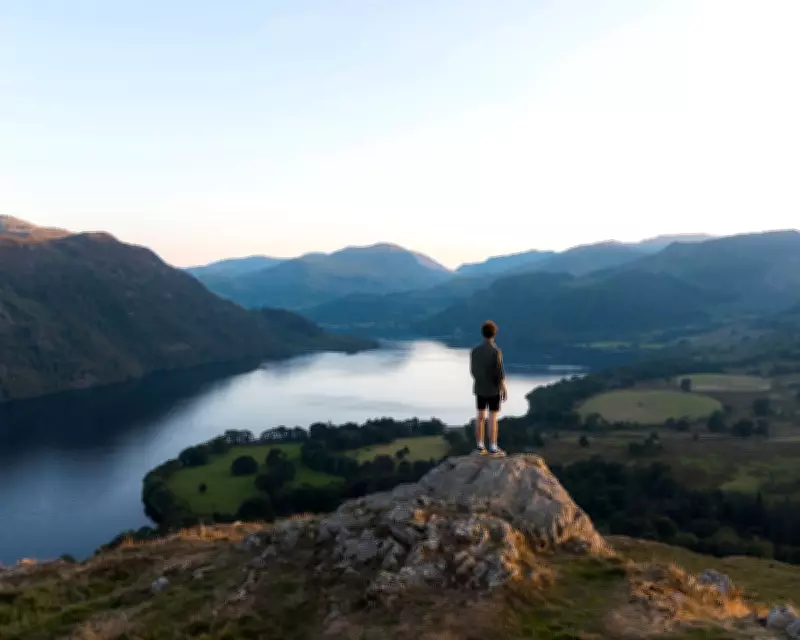
As dawn breaks over Ullswater in the Lake District, golden light spills across bracken-covered slopes and dances upon the hammered silver surface of the water. Snow clings to distant gullies, and the only sound is the gentle gurgle of a mountain stream. This timeless scene, captured by photographer Michael Lazenby, represents the enduring magic of Britain's national parks as they celebrate their 75th anniversary.
The Birth of a National Legacy
In 1951, four iconic landscapes officially became Britain's first national parks: the Lake District, Peak District, Eryri (Snowdonia), and Dartmoor. This achievement culminated a long campaign that arguably began with Romantic poet William Wordsworth, who championed the Lake District as "a sort of national property" where everyone could find beauty and inspiration.
Wordsworth successfully opposed railway construction that threatened the Lakes, establishing a precedent that has protected these landscapes from the overdevelopment seen in some European alpine regions. Today, no high-rise buildings pierce the skyline, no sports infrastructure clutters the summits, and engineers haven't blasted tunnels for faster transportation routes.

The planning process remains rigorous, with strict controls on everything from building colors to development scale, ensuring these parks retain their original character while accommodating millions of annual visitors.
Dartmoor: Wilderness Under Threat
Dartmoor stands unique as the only area in England and Wales with legal wild camping rights, yet it faces significant biodiversity challenges. Recent reports detail declines in its Sites of Special Scientific Interest, though the moor remains in better condition than many other British landscapes.
What makes Dartmoor extraordinary is its vast expanse of heathland—over 11,000 hectares of heather, gorse, bilberry, and moor grasses that provide habitat for red grouse (recently recognized as a distinct species), lizards, snakes, and rare butterflies. The area's reputation for mystery, fueled by Arthur Conan Doyle's The Hound of the Baskervilles and legends of escaped big cats, adds to its allure.
While Wistman's Wood has become an Instagram hotspot, quieter woodlands await in Lydford Gorge near Tavistock or the Bovey Valley near Lustleigh, where thatched-roof cottages and cream teas at the Primrose Tearooms offer traditional charm. For solitude, the military firing ranges provide unexpected tranquility, with Yes Tor and High Willhays offering spectacular viewpoints when live firing isn't scheduled.
Eryri (Snowdonia): Beyond the Crowded Peak
In Eryri, the golden rule for finding peace is simple: avoid Yr Wyddfa (Snowdon). Wales's highest mountain draws overwhelming crowds, but numerous alternatives offer comparable beauty with far fewer visitors. Those determined to summit should consider less-traveled paths like the Watkin, Rhyd Ddu, or Ranger Path (Cwellyn), starting before dawn with headtorches.
For scrambling enthusiasts, Crib Goch on Yr Wyddfa can become congested, but excellent alternatives include Crib Lem on Carnedd Dafydd (accessible from Bethesda) or the challenging Idwal Staircase. Steve Ashton's guidebook Scrambles in Snowdonia remains essential reading.
Eryri's industrial heritage has been creatively repurposed, with slate mine attractions and steam railways thriving. The Bala Lake Railway is currently extending its line into Bala town, enhancing access to this magnificent region.
The Lake District: Following in Historic Footsteps
The establishment of national parks sparked a hiking revolution, with Alfred Wainwright's hand-drawn pictorial guides helping countless walkers discover routes. Wainwright's personal favorite, Haystacks Fell via Scarth Gap from Buttermere, remains a classic, while more adventurous scramblers can tackle Lord's Rake on Scafell Pike or Jack's Rake on Pavey Ark.
Wasdale, with its historic inn, offers spectacular hiking, including the challenging Mosedale Horseshoe that takes in Pillar mountain. For those seeking less-traveled paths, the 17½-mile trek from Pooley Bridge to Troutbeck over High Street delivers sustained panoramas, while the Kentmere Round delights with uniquely Cumbrian place names like Yoke Fell, Wander Scar, and Shipman Knotts.

Local knowledge often proves invaluable. After a day on Helvellyn, a tip from Another Place hotel director David Vaughan leads to Gowbarrow Fell, where a balcony walk above Ullswater provides stunning views with relative solitude despite starting at the popular Aira Force waterfall.
A Living Legacy for Future Generations
Today's national parks balance preservation with accessibility, welcoming paddleboarders, kayakers, wild swimmers, and walkers while maintaining their essential character. As one hiker discovered on Gowbarrow Fell, these landscapes continue to challenge and inspire, whether through scrambling routes or muddy paths that test both equipment and resolve.
Seventy-five years after their establishment, Britain's national parks remain what Wordsworth envisioned: places where every person with "an eye to perceive and a heart to enjoy" can experience nature's majesty. They continue to evolve while protecting the wildness that makes them irreplaceable national treasures.





