Western Australia's Environmental Protection Authority has recommended approval for a contentious fracking proposal in the Kimberley region, a decision labelled as "outrageous" by environmental groups due to significant climate pollution concerns.
Project Details and Environmental Assessment
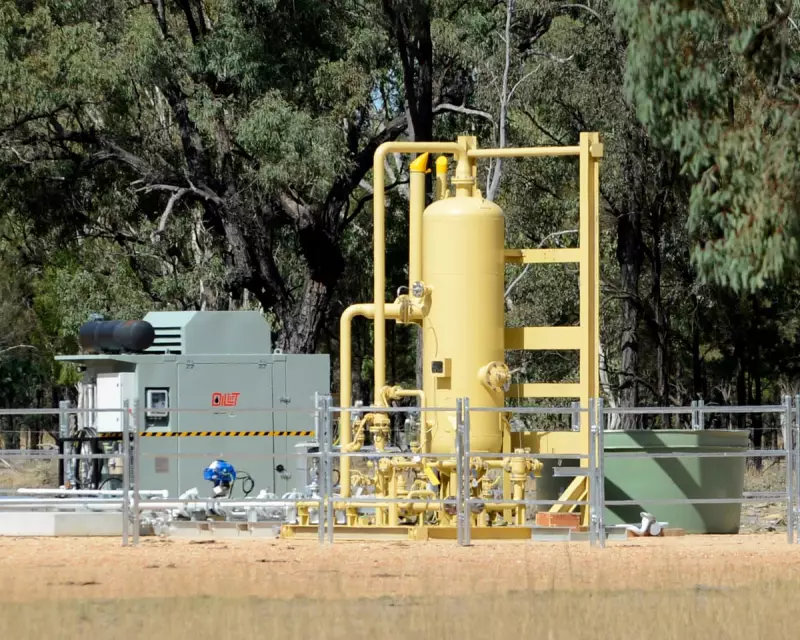
The Valhalla project, proposed by Bennett Resources - a subsidiary of US-based Black Mountain Energy - plans to drill up to twenty gas wells in the Canning Basin, approximately 123 kilometres south-east of Derby. The EPA announced its conditional approval recommendation on Tuesday, following extensive environmental review.
Climate scientist Bill Hare, chief executive of Climate Analytics, has calculated that if developed as planned, the Valhalla project could increase Australia's greenhouse gas emissions by between 1.8% and 2.6%. This substantial potential contribution to national emissions has intensified scrutiny of the proposal.

Environmental Concerns and Opposition
The EPA's recommendation has sparked immediate criticism from conservation organisations and political representatives. Sophie McNeill, the Greens' WA fossil fuels spokesperson, described the decision as "outrageous" and contradictory to widespread community opposition to fracking activities.
"The Kimberley region boasts the world's largest remaining intact tropical savannah," McNeill emphasised. "Its unique natural landscapes and cultural heritage attract approximately $500 million in tourism revenue annually, making environmental protection crucial for the local economy."
An Independent Expert Scientific Committee report published in December raised serious concerns about Bennett Resources' environmental risk assessment, describing it as "limited and disjointed" with "largely unsupported" conclusions regarding potential impacts on surface water and groundwater resources.
Hydraulic Fracturing Process and Risks
Fracking, or hydraulic fracturing, involves extracting oil and gas from shale and rock formations by injecting high-pressure mixtures of water, sand, and chemicals. The technique remains controversial primarily due to risks of water contamination and broader environmental damage.
The EPA acknowledged that fracking represents "central to the high level of public concern and interest in the proposal." Their report now enters a three-week public appeal period before final determination.
Political Responses and Regulatory Process
WA Premier Roger Cook clarified that the EPA recommendation "is not a green light for fracking," explaining that the authority believes environmental impacts can be managed effectively. Cook anticipated appeals against the decision and declined further commentary during the ongoing process.
Environment Minister Matthew Swinbourn will ultimately decide the project's fate following completion of the appeals process. Swinbourn stated, "There is a 21-day public appeals period, and the proper avenue for concerns is via an appeal to the Appeals Convenor. Once independent processes conclude, I will consider final advice."
Conservationist Perspectives
Matt Roberts, executive director of the Conservation Council of WA, characterised the EPA's position as "reckless," highlighting unresolved concerns about groundwater contamination, impacts on subterranean fauna, increased greenhouse emissions, and threats to endangered species including sawfish, ghost bats, and bilbies.
Martin Pritchard, director of Environs Kimberley, warned that "fracking would pollute the water that sustains life in the Kimberley and threaten rare and endangered wildlife as well as the National Heritage-listed Martuwarra Fitzroy River." Pritchard cautioned of potential electoral consequences if the project proceeds.
Industry Perspective and Future Developments
Black Mountain Energy executive chairman Rhett Bennett welcomed the EPA report as "an encouraging step forward," expressing confidence in "the vast resource development opportunity" within their EP371 permit area in the Canning Basin.
The Valhalla project continues to undergo assessment under federal environmental legislation alongside state processes. The recommendation emerges months after WA Labor members voted to extend a statewide moratorium on fracking covering 98% of Western Australia, adding political complexity to the decision-making process.