

Kids' Nature Quiz: Snails vs. Slugs and Whale Diets Explained
In a delightful educational initiative, a new kids' quiz is captivating young minds with questions about the natural world. This engaging activity focuses on two intriguing topics: the differences between snails and slugs, and the dietary habits of whales. Designed to spark curiosity and learning, the quiz offers a fun way for children to explore biology and ecology.
Snails and Slugs: What Sets Them Apart?
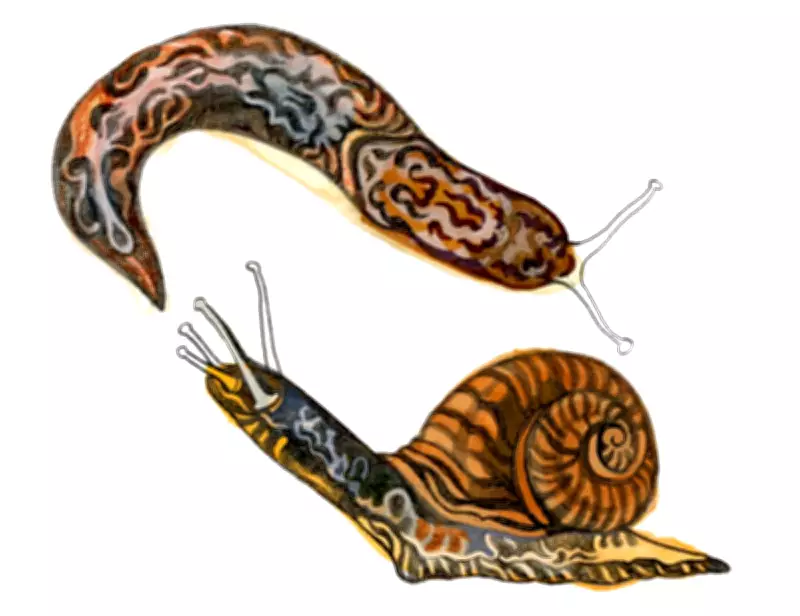
One of the quiz's key sections delves into the distinctions between snails and slugs, two common garden creatures that often confuse young observers. Snails are characterized by their coiled shells, which they carry on their backs and can retract into for protection. These shells are made of calcium carbonate and provide a vital defense against predators and harsh weather.
In contrast, slugs lack these external shells, though some species have small internal vestiges. This absence makes slugs more vulnerable but also allows them to squeeze into tighter spaces. Both snails and slugs are gastropods, meaning they belong to the same class of mollusks, and they share similar slimy bodies that help them move by gliding on mucus.

Other differences highlighted in the quiz include habitat preferences; snails often thrive in moist environments but can be found in diverse settings, while slugs typically prefer damp areas to prevent dehydration. The quiz encourages kids to observe these creatures in their gardens or local parks, fostering hands-on learning.
Whale Diets: What Do These Giants Eat?
The quiz also tackles the fascinating question of what whales eat, revealing the diverse feeding strategies of these ocean giants. Whales are broadly categorized into two groups based on their diet: baleen whales and toothed whales. Baleen whales, such as blue whales and humpback whales, have baleen plates in their mouths that filter small prey from the water.
These whales primarily consume krill, small fish, and plankton, swallowing huge volumes of water and then pushing it out through their baleen to trap food. In contrast, toothed whales, like orcas and sperm whales, have teeth and hunt larger prey. Their diets can include squid, fish, and even marine mammals, depending on the species.
The quiz explains how whale diets impact their behavior and migration patterns, with some species traveling long distances to find food-rich waters. This section aims to teach children about marine ecosystems and the importance of conservation efforts to protect these majestic animals.
Educational Benefits and Engagement
This nature quiz is more than just a set of questions; it's a tool for promoting science education among children. By covering topics like snail and slug biology and whale ecology, it aligns with school curricula on biology and environmental studies. The interactive format encourages critical thinking and observation skills, making learning enjoyable and memorable.
Parents and educators can use the quiz to supplement classroom lessons or as a fun activity during family outings. It highlights the value of outdoor exploration and curiosity-driven inquiry, helping kids develop a lifelong interest in nature. As environmental awareness grows, such resources play a crucial role in inspiring the next generation of scientists and conservationists.
In summary, this kids' nature quiz offers a comprehensive look at two captivating aspects of the animal kingdom. Through clear explanations and engaging content, it educates young learners about the differences between snails and slugs and the varied diets of whales, fostering a deeper appreciation for the natural world.






