

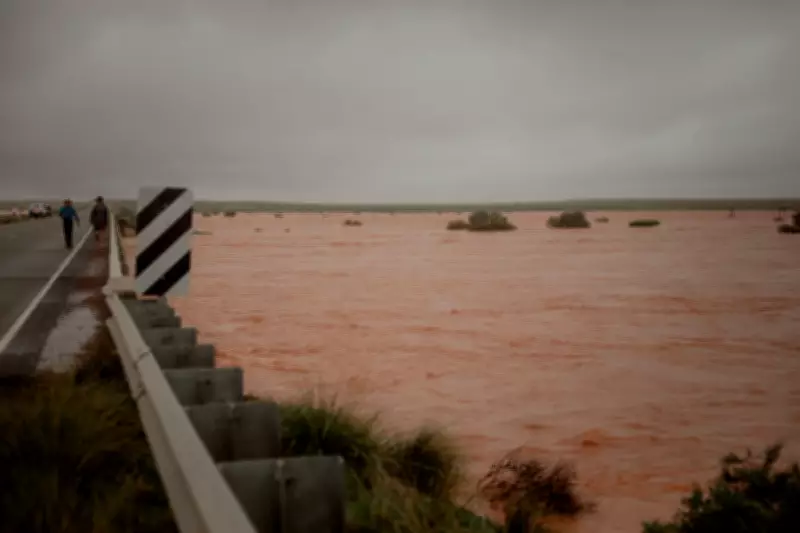
Australia Grapples with Unprecedented Flooding After Record Rainfall
In a dramatic turn of events, Australia is currently experiencing widespread and severe flooding, triggered by record-breaking rainfall that has overwhelmed many regions. This extreme weather phenomenon has led to significant disruptions, affecting thousands of residents, damaging critical infrastructure, and raising alarms about the escalating impacts of climate change. The situation underscores the vulnerability of communities to increasingly volatile weather patterns, with emergency services working tirelessly to manage the crisis and provide aid to those in need.
Record Rainfall and Its Immediate Consequences
The flooding stems from an extraordinary amount of precipitation that has shattered previous records in several areas across Australia. Meteorological data indicates that rainfall levels have far exceeded historical averages, resulting in rivers bursting their banks and low-lying areas becoming submerged. This has caused extensive property damage, with homes and businesses inundated by floodwaters, leading to evacuations and displacement of residents. Roads and bridges have been compromised, hampering transportation and access to essential services, while agricultural lands have suffered, threatening food supplies and livelihoods.
Emergency response teams are on high alert, conducting rescue operations and setting up shelters for affected individuals. The scale of the flooding has strained resources, prompting calls for national and international support. Authorities are urging residents to heed warnings and avoid travel in impacted zones, as conditions remain hazardous with ongoing rain and potential for further flooding.

Broader Implications for Climate and Environment
This event is not an isolated incident but part of a troubling trend of extreme weather events linked to climate change. Scientists and environmental experts point to rising global temperatures as a key driver, which can intensify rainfall and lead to more frequent and severe flooding. In Australia, this aligns with broader patterns of climate variability, including droughts and bushfires, highlighting the country's exposure to environmental risks.
The flooding has also sparked discussions about infrastructure resilience and urban planning. Many affected areas lack adequate flood defenses, exposing vulnerabilities that need addressing to mitigate future disasters. Additionally, the environmental toll is significant, with ecosystems disrupted, water quality compromised, and wildlife habitats destroyed. This underscores the interconnectedness of human and natural systems in the face of climate challenges.
Looking Ahead: Response and Recovery Efforts
As the immediate crisis unfolds, focus is shifting to recovery and long-term strategies. Government agencies are coordinating relief efforts, including financial assistance for rebuilding and mental health support for traumatized communities. There is growing pressure to enhance climate adaptation measures, such as improving drainage systems, restoring natural floodplains, and investing in early warning technologies.
Public awareness and advocacy for climate action are also on the rise, with calls for stronger policies to reduce greenhouse gas emissions and promote sustainability. This flooding serves as a stark reminder of the urgent need to address climate change, not just in Australia but globally, to prevent similar disasters in the future.






