

Tropical Cyclone Narelle Unleashes Devastating Flooding Across Western Australia
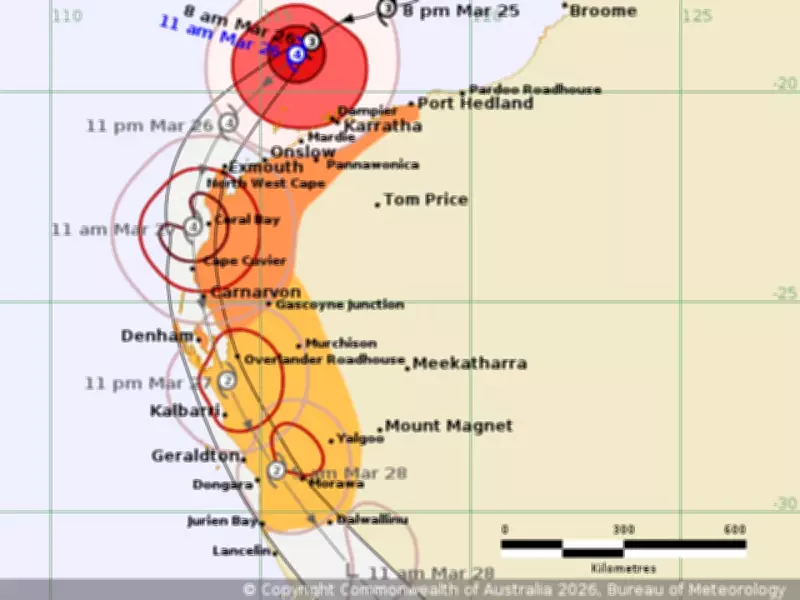
Tropical Cyclone Narelle has made landfall in Western Australia, unleashing a powerful storm system that has resulted in severe and widespread flooding throughout the region. The cyclone, which intensified rapidly over the Indian Ocean, brought torrential rainfall and destructive winds, overwhelming local infrastructure and prompting urgent emergency measures.
Emergency Responses and Evacuation Efforts Underway
Authorities in Western Australia have activated comprehensive emergency response plans to address the immediate impacts of the flooding. Evacuation orders have been issued for several low-lying and coastal communities deemed at high risk from rising waters and storm surges. Emergency services, including the State Emergency Service and police, are conducting rescue operations to assist residents trapped by floodwaters, with reports of numerous homes and roads submerged.
The intensity of the rainfall has exceeded forecasts, leading to flash floods in urban areas and riverine flooding in rural districts. Local officials have urged residents to avoid non-essential travel and to heed safety warnings, as conditions remain hazardous with ongoing heavy rain and strong winds.

Infrastructure Damage and Community Impact
The flooding has caused significant damage to critical infrastructure, including power outages, road closures, and disruptions to communication networks. Schools and businesses in affected areas have been forced to close, while agricultural lands have been inundated, posing risks to crops and livestock. Community shelters have been established to provide temporary accommodation for those displaced by the storm.
Meteorologists report that Tropical Cyclone Narelle is expected to weaken as it moves inland, but residual rainfall may continue to exacerbate flooding in the coming days. The event highlights the increasing frequency and severity of extreme weather phenomena in the region, attributed in part to climate change factors.
- Evacuation of high-risk zones to ensure resident safety
- Rescue operations by emergency services in flooded areas
- Widespread power outages and infrastructure disruptions
- Agricultural losses due to inundated farmlands
- Ongoing monitoring of weather conditions for further risks
As recovery efforts begin, authorities are assessing the full extent of the damage and coordinating relief initiatives to support affected communities. Residents are advised to stay informed through official channels and to prioritize safety during this ongoing natural disaster.






