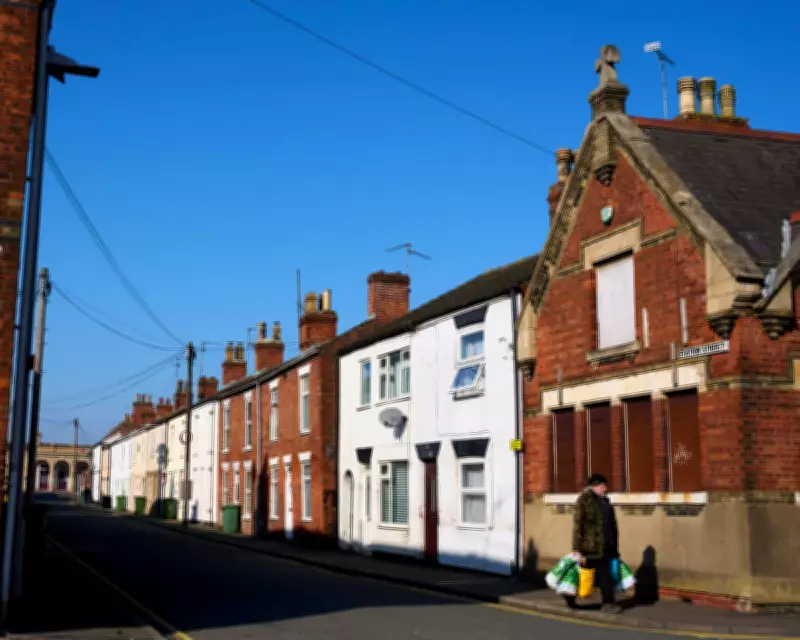
Flood-Hit Lincolnshire Constituents Clash with Reform MP Over Climate Denial
According to the Environment Agency, a staggering 91% of buildings in Richard Tice’s Boston and Skegness constituency are at some level of flood risk, the highest proportion in any English constituency. This alarming statistic underscores the severe flooding crisis gripping the region, with experts warning that climate breakdown could render many areas uninsurable and lead to the abandonment of some towns.
Residents' Harrowing Experiences
Audrey Crook, a 58-year-old full-time carer, vividly recalls the night her home was inundated. "The worst part of it was the smell," she says, describing black water contaminated with sewage that flooded her ground floor. Crook lost precious items, including antique rugs and Indian silks, and has yet to receive insurance compensation. Her story is echoed by more than 30 other residents on Wyberton West Road and Park Road in Boston, whose homes were flooded in January last year due to heavy rain and breached river defences.
Crook and her 20-year-old son, Cain Arathoon, now live in constant fear. "Every time the drain is high at the back, we’re all panicking because we just think: 'Oh god, what if it happens again?'" she explains. The psychological toll is compounded by financial strain, with one anonymous resident reporting annual insurance premiums soaring to over £900, while some homes have become "unmortgageable" due to the flood risk.

Political Tensions and Climate Skepticism
Despite the dire situation, local MP Richard Tice, a prominent figure in Reform UK, maintains a staunchly climate-sceptic position. He has repeatedly dismissed human-made climate change as "garbage" and labeled the UK’s net zero efforts as "net stupid." This stance has fueled frustration among constituents, many of whom feel neglected. Crook notes, "We’re still waiting for Richard Tice to turn up. Didn’t show his face. A lot of people were angry about that."
The disconnect highlights a growing problem for Reform UK. Polling by the Energy and Climate Intelligence Unit reveals that more than half of Reform’s would-be voters support climate action, contradicting the party’s leadership. Alasdair Johnstone of ECIU observes, "As people see first-hand the impacts of climate change on their lives, it does not sit well when they are told this is not happening."
Government Response and Local Actions
Tice defends his approach, emphasizing practical measures like river maintenance and sea defences. In a statement, he said, "My priority has been to secure practical, immediate protections for residents." He claims to have raised flooding concerns in parliament and engaged with the Environment Agency and affected residents. The constituency has been allocated at least £55 million from a national flood defence fund, the second-largest sum for any single area.
However, residents remain sceptical. Malcolm Fairweather, 71, reports "no follow-up" on his concerns since Reform took control of Lincolnshire County Council in May 2025. The council has since scrapped its net zero goal, with leader Sean Matthews citing cost concerns. Chris Miller, the council’s head of environment, notes that only seven households applied for a flood resilience grant scheme post-flooding.
Broader Implications and Future Risks
A recent study by Public First and the UK Sustainable Investment and Finance Association warns that over 400,000 homeowners across England could become "mortgage prisoners" in flood-prone properties. Tice’s constituency is identified as the "climate mortgage prisoner capital of England," with 8,600 homes at high risk by 2050.
As climate change intensifies, with UK winters growing wetter due to warmer air holding more moisture, the urgency for action is clear. Cain Arathoon sums up the sentiment: "No matter how many times you’re going to try and say that climate change isn’t real, you can look to a street that’s been flooded and there’s your answer." The ongoing crisis in Boston and Skegness serves as a stark reminder of the tangible impacts of environmental neglect and the political divides it exacerbates.