In the wake of catastrophic flooding, Mozambique's Gaza province is grappling with a dire humanitarian emergency, as stagnant waters have submerged communities, destroyed crops, and triggered a surge in infectious diseases. Sky News' Africa correspondent reports from the region, where hundreds of thousands of lives have been upended by the disaster.
Devastation from the Air: A Landscape Transformed
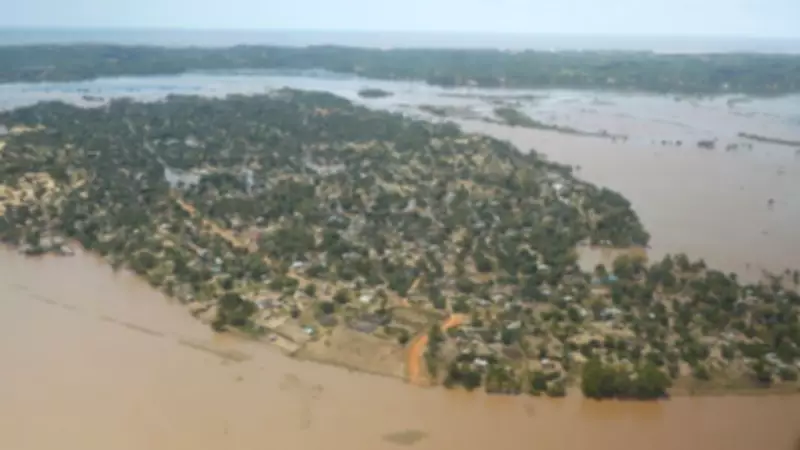
From a Mercy Air helicopter delivering essential aid, the view over southern Mozambique reveals a haunting scene. The Limpopo River's banks are now mere traces in a vast expanse of brown, stagnant water that stretches endlessly. Pilot Samuel Lips guides the aircraft towards Mexinguine, an area that has become an isolated island due to the floods.
"This island is too big to be evacuated. But all their rice fields and food sources are outside, where it is flooded," Lips explains, highlighting the critical food shortages faced by trapped residents. Roads have vanished, forcing populations onto small patches of higher ground, with infrastructure like hospitals and soccer fields submerged beneath the murky waters.

On the Ground: Desperation and Disease
As the helicopter lands near a makeshift clinic, crowds gather eagerly for buckets of basic sustenance. Nurse Luis Mauricio voices the urgent needs: "We need food. We, as responders, need food to distribute. We need water. We need shelter because there is no privacy for people. We need medicine." He is surrounded by patients suffering from symptoms exacerbated by swamp-like conditions, including diarrhoea, vomiting, and malaria.
One patient, Raqualina Tamele, shares her plight: "We are alive, but the floods are troubling us. We are coughing, we don't have a place to live, we don't have food, we don't have water - the water we are drinking is contaminated because of these floods." Luis adds that children from infants to teenagers are presenting with various illnesses, underscoring the vulnerability of the youngest victims.
Aid Efforts and Climate Impact
Charities and aid workers are facing a daunting task in accessing cut-off areas. In Gaza province alone, at least 400,000 people have been affected, with floodwaters covering an area roughly the size of Cyprus. Gaspar Sitefane, country director for Water Aid in Mozambique, attributes the severity to climate change, noting that Mozambique's geographical position exacerbates the crisis.
"Whatever rains come to South Africa, Zimbabwe, Eswatini, or Malawi, the water then comes through Mozambique to reach the sea, and when it comes it takes almost everything - people, our animals, our farms," he says. His own family home has been flooded, reflecting the widespread impact.
Shelters and Long-Term Consequences
At a school-turned-shelter in Marracuene, hundreds of evacuees have found temporary refuge. The Mozambican government has postponed the 2026 school year by nearly a month, with 431 schools affected nationwide. Shafi Sadat, mayor of Marracuene, reports rescuing over 3,000 people and now faces the challenge of feeding them daily.
"There is a lot of damage - in agriculture we've lost everything. We don't have anything. These people live with agriculture," he states, highlighting the economic devastation. As new evacuees arrive, shelters like Gwazamutini, housing over 300 children, are stretched to capacity, with donated clothes offering scant relief.
The floods, compared by locals to those of 1977, have left a trail of destruction that will require sustained international support to address. With food scarcity, contaminated water, and disease outbreaks, the crisis in Mozambique underscores the urgent need for climate resilience and humanitarian aid in vulnerable regions.