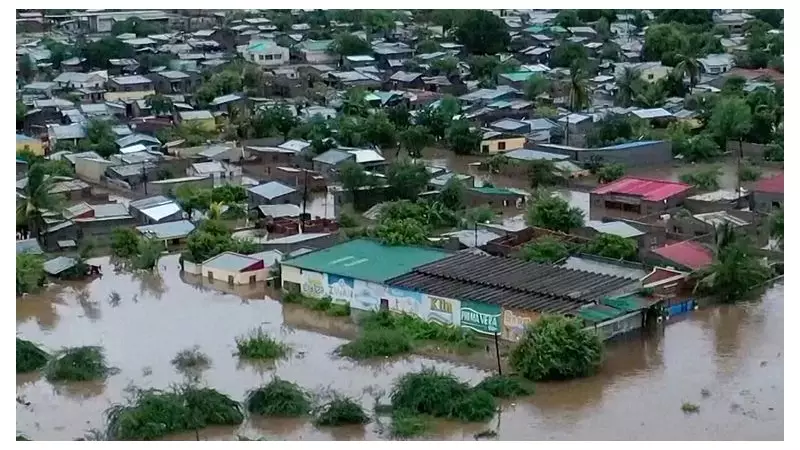
More than 100 people have lost their lives after torrential rains triggered widespread flooding across southern Africa, with Mozambique bearing the heaviest toll. Authorities have issued warnings that more severe weather is expected to hit the region, exacerbating an already dire humanitarian crisis.
Nations in Crisis: A Regional Catastrophe
The disaster has struck multiple countries, with Mozambique suffering the most significant impact. The country's Institute for Disaster Management and Risk Reduction confirmed on Friday, 16 January 2026, that at least 103 people have died following an unusually severe rainy season that began late last year.
According to the World Food Programme, the flooding in central and southern Mozambique has affected more than 200,000 people. The scale of destruction is immense: thousands of homes have been damaged, tens of thousands face evacuation, and approximately 173,000 acres of crops—including staples like rice and corn—are now waterlogged.

The causes of death are varied and tragic. Officials report people have perished by drowning in rising waters, in collapsing infrastructure, from cholera outbreaks, and from being electrocuted by lightning strikes.
South Africa and Zimbabwe Grapple with Destruction
Neighbouring nations are also reeling from the extreme weather. In Zimbabwe, officials state at least 70 people have died. The heavy rains this year have destroyed over 1,000 homes and caused the collapse of critical infrastructure, including schools, roads, and bridges.
In South Africa's northern provinces of Limpopo and Mpumalanga, at least 19 deaths have been reported following persistent heavy rain that began last month. Visiting Limpopo on Thursday, President Cyril Ramaphosa described a scene of utter devastation, noting over 15 inches (38cm) of rain had fallen in less than a week.
"I have been to an area where 36 houses have just been wiped away from the face of the Earth," President Ramaphosa said. "Everything is gone... the roofs, the walls, the fences, everything."
Evacuations and Ongoing Threats
The famous Kruger National Park in Mpumalanga has not been spared. Parts of the park are inaccessible due to washed-out roads and bridges, leading to its closure. Around 600 tourists and staff members were evacuated by helicopter from camps to higher ground, according to park spokesperson Reynold Thakhuli.
The South African Weather Service has issued a red-level 10 alert for parts of the country, warning of further heavy rain and flooding that poses a severe threat to life and could cause widespread infrastructure damage. In response, the South African army deployed helicopters to rescue people trapped on rooftops and in trees, including officials stranded at a flooded border checkpoint with Zimbabwe.
The crisis extends beyond these three nations. Flooding has also impacted Madagascar, Malawi, and Zambia. Authorities in Madagascar report 11 flood-related deaths since late November. The US Famine Early Warning System notes that flooding has been reported or is expected in at least seven southern African nations, highlighting the regional scale of this climate-driven disaster.