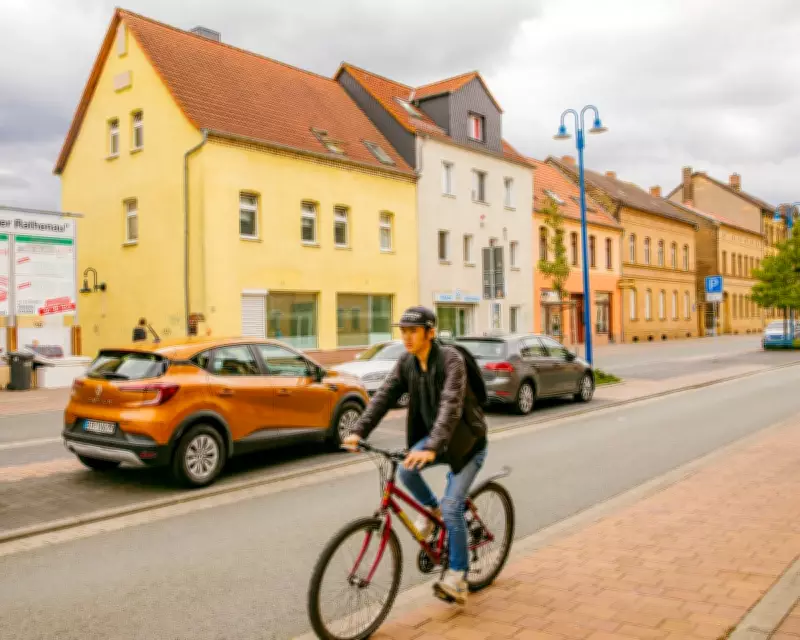
Europe's Green Ambition: A Critical Examination
The vision of Europe transforming into a continent of clean, green cities with a resurgent industrial base has captured the imagination of policymakers and the public alike. This ambitious plan promises to combine environmental sustainability with economic revitalization, aiming to reduce carbon emissions while boosting manufacturing and innovation. However, as this idea gains traction, it is essential to scrutinize whether it represents a realistic pathway forward or merely a creative fantasy detached from practical constraints.
The Promise of Green Urban Transformation
At the heart of this vision lies the concept of green cities, where urban areas are redesigned to prioritize sustainability, energy efficiency, and reduced pollution. Proponents argue that by investing in renewable energy sources, enhancing public transportation, and promoting green building practices, European cities can significantly lower their environmental footprint. This shift is seen as crucial for meeting climate targets and improving the quality of life for residents, potentially setting a global standard for urban development.
Simultaneously, the plan calls for a resurgence in European industry, focusing on high-tech manufacturing, clean energy production, and circular economy models. The goal is to create jobs, reduce dependency on foreign imports, and position Europe as a leader in sustainable technologies. This dual approach aims to address both ecological and economic challenges, fostering a more resilient and prosperous future.

Challenges and Realities
Despite its appeal, this vision faces significant hurdles. The transition to green cities requires massive investments in infrastructure, which may strain public finances and encounter political resistance. For instance, retrofitting existing buildings for energy efficiency or expanding renewable energy grids involves complex logistics and high costs. Moreover, industrial resurgence must compete with global markets, where other regions might offer cheaper labor or less stringent environmental regulations, potentially undermining Europe's competitiveness.
Additionally, there are concerns about the feasibility of achieving such rapid changes within the proposed timelines. Balancing economic growth with environmental goals often leads to trade-offs, and without careful planning, the risk of greenwashing or incomplete implementation looms large. Critics argue that without stronger regulatory frameworks and international cooperation, this vision could remain an idealized fantasy rather than a tangible reality.
Creative Solutions and Future Prospects
To move beyond fantasy, Europe must embrace innovative and pragmatic strategies. This includes leveraging digital technologies for smart city management, fostering public-private partnerships to fund green initiatives, and ensuring that policies are inclusive and equitable. Learning from successful pilot projects in cities like Copenhagen or Amsterdam can provide valuable insights into scalable solutions.
Ultimately, while the dream of clean, green cities and a resurgent industry is inspiring, its success hinges on realistic planning, sustained commitment, and adaptive governance. By addressing the challenges head-on and fostering collaboration across sectors, Europe can work towards making this vision a reality, rather than letting it fade as a mere creative aspiration.